Endometriosis Advice and Support
Endometriosis is a complex and disabling disease which requires the best care to manage the symptoms and provide relief for sufferers. Conventional treatment often includes drug therapy, birth control pills and surgery.
Unfortunately this disease can go un-diagnosed for many years as doctors confuse your symptoms with other pelvic diseases. This can lead to more damage being done to your reproductive organs and can eventually lead to the disease spreading even further. The advice below will help you gain an insight into the disease and how to progress with obtaining treatment.
Let's start with some basics for those who need support . . . .
What is endometriosis
Endometriosis is a disease that affects millions of women and girls worldwide, mainly in their reproductive years but in many cases it can continue even after menopause. The disease can have far-reaching effects on the entire body with many complex symptoms.
The disease of endometriosis is now seen as an inflammatory, estrogen driven, whole body disease with the main symptom being pain which for many can be severe throughout the month. The true cause of endometriosis is not know but research is ongoing all the time with discoveries regarding different changes in the body of those who suffer the disease. The disease is mainly focussed in the reproductive organs and pelvic cavity causing pain and inflammation especially round the time of menstruation and ovulation.
Development of Endometriosis
Endometriosis develops when abnormal cells that are similar to the cells found in the lining of the womb become implanted around the pelvic cavity and on the surface of other organs in the pelvic area. These stray cells behave the same way as the cells in the lining of the womb and respond to the hormones of your monthly cycle.
In response to these hormones and the menstrual cycle these cells thicken, then break down with your period. However, as there is nowhere for these cells to go, they become trapped. This process is then repeated every month and these cells become larger and then develop into endometriosis, causing cysts, adhesions and scar tissue. More ....
The immune system normally helps the body recognize and remove abnormal cells or foreign materials. In endometriosis, however, this process goes awry. Instead of removing misplaced endometrial-like tissue—tissue that’s naturally part of the body—the immune system may create an environment that allows it to grow and thrive. Dr Seckin
Symptoms of Endometriosis
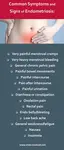
The most common symptoms are pelvic pain, and heavier periods. The number of days that pain occurs can also increase and some women have reported being in pain most of the month. It is also common to have pain with urination, pain with bowel movements, and pain with intercourse.
The common early signs and symptoms of the disease include:
- painful periods and heavy bleeding
- diarrhoea and constipation
- pain in lower abdomen
- periods more frequent and irregular bleeding
- feeling generally run down
Find the complete list of symptoms here
Diagnosis of Endometriosis
There are various tests used to diagnose endometriosis. However, the only way to get a confirmed diagnosis is by surgery with a procedure called Laparoscopy, where the surgeon can visibly see the implants or endometrial cysts in the pelvic cavity.
In the early stages of presenting your symptoms to a health care provider, a physical exam including a pelvic exam will usually be performed. There can be many problems obtaining a true diagnosis, as this disease has similar symptoms to various other health problems including Pelvic Inflammatory Disease and Irritable Bowel Syndrome. Find more details regarding diagnosis of endometriosis.
Treatment for Endometriosis
There are various surgical and drug treatments for endometriosis, and the choice of treatment is usually determined by the severity of the disease. Commonly the Birth Control Pill is the first treatment that is offered with the aim of stopping the menstrual cycle by taking the BCP continuously. Other options include drug treatment to induce pseudo-menopause.
The most common treatments offered include:
- Pain management drugs
- Birth control Pill - which is prescribed for continual use for 6 to 9 months to stop further growth
- Hormone drugs which work by stopping periods and halting the further growth of implants
- Surgery to remove implants, cysts, and any adhesions that may have developed - usually performed with laparoscopy surgery
- Hysterectomy - offered as treatment for the disease, but often the disease can come back, especially if hormone replacement therapy is given, as the drugs containing hormones will 'feed' the disease.
More details of different treatment options HERE
Pain Management
Endometriosis causes pain for nearly all women and this pain can be severe requiring medication to be able to cope. The pain can be constant and be very disabling requiring pain mediation for most of the time.
The pain is generally located in the abdomen but can spread to other areas of the body. As well as pain with menstruation, it can also be caused by inflammation, scar tissue, post operative pain, and adhesions. Endometriosis commonly also causes much digestive distress leading to endo belly and inflammation of the gut, More details of pain management.
Natural Treatments for Endometriosis
Using natural treatments is gradually gaining more interest and in many cases can provide long term success. This success can include a major reduction in symptoms, being able to achieve full term pregnancy, or returning to normal activities in life. Some women have success by combining natural treatments, diet changes along with surgery.
The use of natural treatments can include:
- Diet and nutrition
- Homoeopathy
- Herbal medicine, Traditional Chinese Medicine
- Acupuncture - especially helpful for pain
- Naturopathic treatment
Find out more about natural treatments HERE
If you suspect you have endometriosis you need to get diagnosed as soon as possible, because the longer this disease is left unchecked, the more damage it will do. If your symptoms are not being taken seriously by your health care provider, then you need to seek a second opinion.
For some women it has taken years to get diagnosed. This usually happens because painful periods are seen as 'normal'. Your pain is real, and your periods should not be a time to be dreaded.
You might like these
Endometriosis Diagnosis
Description of the various methods used to diagnose endometriosis including laparoscopy, imaging test, biochemical markers
Pictures and photographs of endometriosis
Pictures of endometriosis including images of cysts and adhesions taken during surgery
Endometriosis Symptoms
Endometriosis symptoms described by location in the body, including reproductive and intestinal endometriosis.
Endometriosis and your Treatment Options
Endometriosis treatment involves options depending on the severity of the disease, your medical history and whether you wish to have children
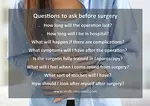
Endometriosis & Surgery Treatment Questions
Questions to consider asking your surgeon before having surgery for endometriosis


Reference:
https://en.wikipedia.org/wiki/Endometriosis
https://www.mayoclinic.org/diseases-conditions/endometriosis/diagnosis-treatment/drc-20354661
https://www.nichd.nih.gov/health/topics/endometri/conditioninfo/treatment
http://endometriosis.org/treatments/



About Endo Blog Contact Disclaimer Site Map Privacy Policy
Carolyn Levett BA, NT Nutritional Therapist -
Promoting health and well-being through nutrition, diet and lifestyle changes
The material on this website is intended for educational information purposes only.
It should not substitute or delay medical advice, diagnosis or treatment.
Unauthorized use of content or parts of content is prohibited without a written permission by the author.
www.endo-resolved.com Copyright (C) - All rights reserved 2026