What is endometriosis!
Endometriosis is a complex and serious whole-body inflammatory disease that has far reaching effects on the entire body with disabling symptoms. The disease is known as being an estrogen driven disease and recent research suggests that a compromised immune-system may also be involved.
Traditionally it is documented as a malfunction of the reproductive system where cells that are similar to the lining of the womb can be found scattered around the body, but we now know that the disease is much more complex and affects many systems in the body and not just the organs in the abdomen.
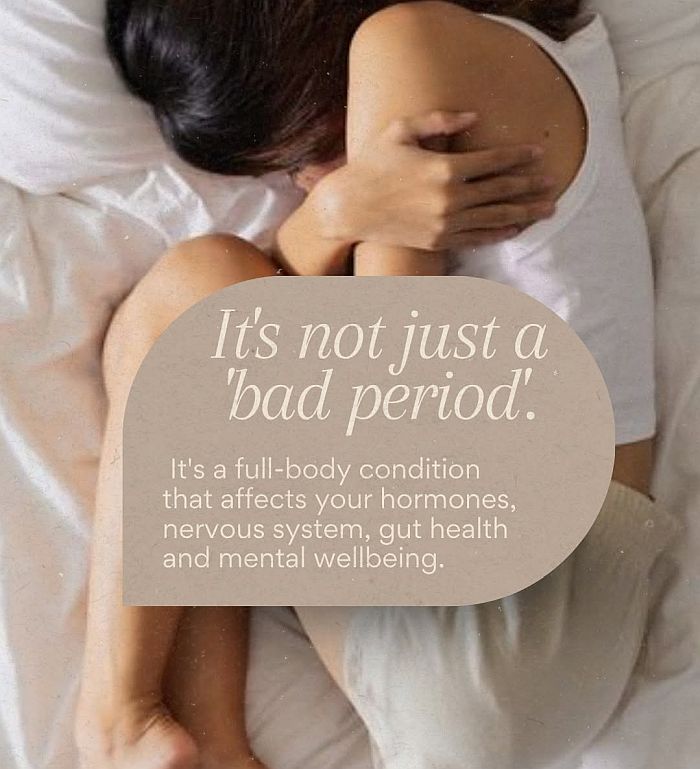
Endometriosis can be found in nearly every organ of the body, with the most common symptom being pain. The symptoms can range from moderate to very severe and are often cyclical.
However, a number of respected medical authorities still quote incorrect definitions of the disease which can lead to a lot of misinformation and confusion. Also, some of this advice is very simplistic and does not highlight the seriousness of the disease.
Endometriosis - the enigmatic disease of the modern age!
Endometriosis is one of the most far-reaching, devastating and misunderstood diseases in the world today.
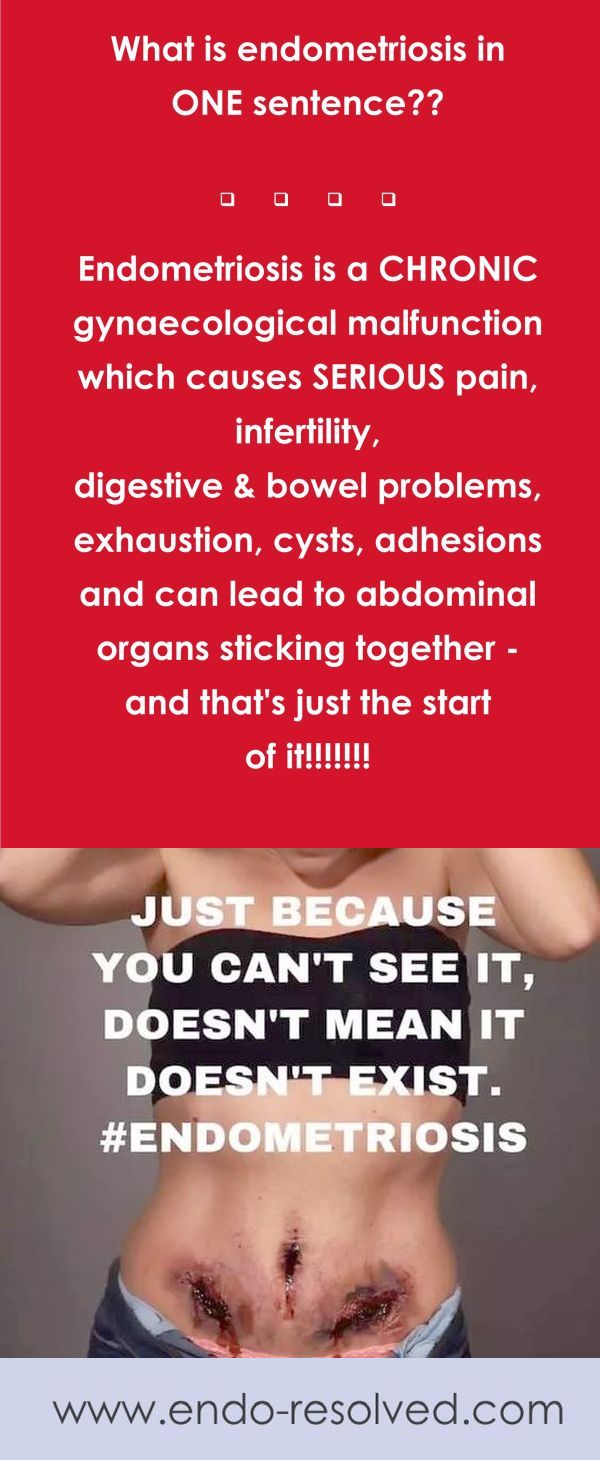
It is estimated that there are over 190 million women and girls who suffer from the disease world-wide.
This number is growing all the time. It is more common than breast cancer and many other well known diseases. Despite the huge numbers of women who suffer this disease, few people have actually heard of it, but this is gradually changing, though very slowly.
Becoming more common . . .
This disease is becoming more and more common. This could be for a variety of reasons:
- The methods of detecting and diagnosing endometriosis are improving all the time, so statistics reflect this as growing numbers of cases are detected.
- The seriousness of the disease is gradually gaining momentum and more people are finally beginning to hear about it. This may be through television programs, magazine articles, the internet, or talking to friends.
So there is an ever increasing public awareness. This public awareness helps to alert women who have concerns about their health, especially regarding pelvic and menstrual pain, so more women are able to determine whether they have Endometriosis. - More women are taking their pelvic pain and period pain seriously, rather than thinking of it as normal, so they are pursuing answers from the medical profession.
- Finally, the numbers of women who have the disease appears to be increasing in actuality, especially in the last 30 years or so. It is also more common in industrial countries, where pollution is higher.
How the disease starts:
Physically, what happens is that tiny, and sometimes microscopic particles that are similar to the lining of the womb, find their way into the pelvic cavity. These particles behave in the same manner as the lining of the womb. The lining of the womb is called the endometrium, which is where this disease gets its name.
The natural process of the endometrium is to react with hormones produced in the body and each month the endometrium builds up with blood cells and other chemicals to prepare for pregnancy. When pregnancy does not occur then the endometrium sheds this blood and women have a period.
A similar reaction takes place in the stray cells that have found their way into the pelvic cavity. Each month they react to hormones, and break down and bleed, but the blood and tissue shed from these endometrial growths has no way of leaving the body. This results in internal bleeding, breakdown of the blood and tissue from these sites and leads to inflammation.
This process continues for months, or even years before symptoms of serious pain begins to develop. Many women start to suspect something is wrong because the amount of pain they feel with their periods. It will become worse as the months go by. It is then that women start to investigate and question the state of their health.
For other women the disease may not show any noticeable symptoms, but they may be having problems with their fertility and are not successful in conceiving. It is then that they seek medical advice which could lead to having a laparoscopy. It is during this procedure that the disease may be found.
As time goes by, this disease will progress and start to do more damage in the pelvic cavity. Eventually it can lead to scar tissue formation, adhesions, bowel problems, as well as a gradual decline in general health.
Endometriosis in Context
Endometriosis is not fatal except maybe in rare cases involving endometriosis on the lungs. However, due to the lack of understanding of this disease, and because it is invisible, it is not taken seriously even by the medical profession.
Recent studies are beginning to indicate that women with the disease are at greater risk of other health problems, but this could be an indicator that women with this disease are actually suffering from a break-down in the immune system. This situation seems to ‘ring true’ as many women who have the disease seem to suffer from a myriad of other health problems.
It is affecting millions of women around the world today. It not only affects her health, it also affects quality of life, possibilities of having children, income earning potential, emotional well-being, relationships, sex life, economics where women live in a country and have to pay for treatment, and social life; in essence it affects the entire life of women.
These are the hard facts that surround this disease today. Many women suffer for years and years. They may have one surgical procedure after another. They may spend thousands of dollars on treatment, especially if their health insurance does not cover it. They may travel miles in pursuit of sympathetic and informed medical treatment.
However, there are some glimmers of hope beginning to appear. Surgical treatments are improving all the time and more research is ongoing looking at quicker and more reliable methods of diagnosis. Also some women are beginning to take more control of their own health with regard to managing this disease. Self help remedies are proving helpful for many and support and sharing ideas via social media and support groups is proving a life-line in reducing isolation and fear.
You might like these
Endometriosis myths
Endometriosis myths and how they are causing delays in diagnosis and mis-conceptions how to treat this disease
Endometriosis advice and support
Endometriosis is a complex and painful disease affecting millions – learn details of endometriosis, natural treatments, nutrition and many self-help measures you can use
Endometriosis Cause
There are various theories as to the cause of endometriosis - find out what may be causing your pain
Articles about endometriosis
Articles about specific endometriosis symptoms, help to reduce symptoms and emotional support
What is endometriosis
Endometriosis is a devastating disease that affects millions causing severe disabling symptoms. Awareness and research needs to be improved for better outcomes for those affected



References:
https://en.wikipedia.org/wiki/Endometriosis
https://my.clevelandclinic.org/health/diseases/10857-endometriosis
https://www.endometriosis-uk.org/what-is-endometriosis
https://www.ncbi.nlm.nih.gov/books/NBK567777/
https://www.mayoclinic.org/diseases-conditions/endometriosis/symptoms-causes/syc-20354656
https://www.endofound.org/endometriosis
https://www.uclahealth.org/medical-services/obgyn/conditions-treated/endometriosis
 As featured in:


About Endo Blog Contact Disclaimer Site Map Privacy Policy
Carolyn Levett BA, NT Nutritional Therapist -
Promoting health and well-being through nutrition, diet and lifestyle changes
The material on this website is intended for educational information purposes only.
It should not substitute or delay medical advice, diagnosis or treatment.
Unauthorized use of content or parts of content is prohibited without a written permission by the author.
www.endo-resolved.com Copyright (C) - All rights reserved 2026