Pictures of Endometriosis
Below is a selection of pictures of endometriosis that have been taken during surgery. These pictures will give you some idea of what endometriosis actually looks like.
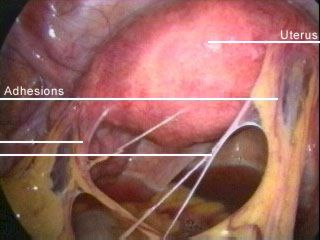
Adhesions with Pelvic Inflammatory Disease
With pelvic inflammatory disease (PID), bacteria can spread from the cervix to the pelvic organs, including the ovaries, and form an infected cyst or abscess
Adhesions form with Pelvic Inflammatory Disease (PID) when the body attempts to heal itself after the infection damages tissues
Adhesions with PID are often treated the same way as endometriosis often during laparoscopy
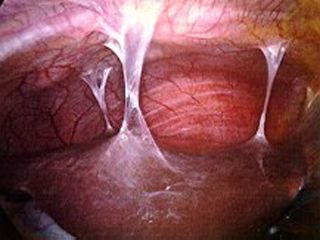
Adhesions in the diaphragm with endometriosis
The body's natural response to this ongoing injury and inflammation is to repair the tissue by forming scar tissue, which manifests as adhesions. These fibrous bands can cause the diaphragm to stick to other nearby organs, such as the liver.
The majority of diaphragmatic endometriosis cases and resulting adhesions occur on the right side due to the natural flow of peritoneal fluid
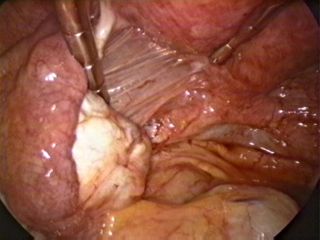
Pelvic wall adhesions
Scar tissue and adhesions can also form deep within the pelvic cavity, distorting anatomy and potentially creating cysts or nodules on other pelvic organs or the pelvic wall.
Endometriomas often form on the ovaries, but the inflammatory and scarring process can involve the entire pelvic wall and other structures, leading to deep infiltrating endometriosis (DIE) in severe cases
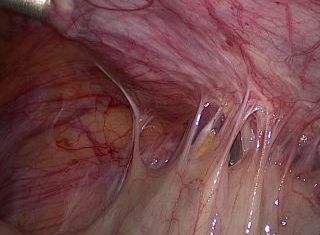
Adhesions with advanced endometriosis
Endometriosis causes adhesions through a process of inflammation and scarring,
This inflammation and subsequent scar tissue formation can cause organs such as the ovaries, fallopian tubes, bladder, and intestines to become abnormally stuck to each other.
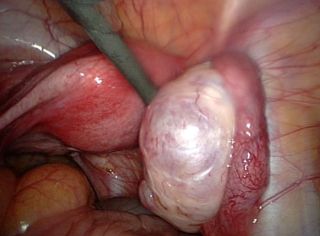
Ovarian cysts
Ovarian cysts with endometriosis are cysts called endometriomas. Cyclical blood becomes trapped inside the ovary, leading to the formation of a cyst.
The presence of endometriomas often indicates a more severe stage (Stage III or IV) of endometriosis.
Endometriomas may not cause symptoms in all women, but when they do, symptoms can include chronic pelvic pain, very painful periods. The cysts can grow large, rupture (causing sudden, severe abdominal pain), lead to the formation of scar tissue
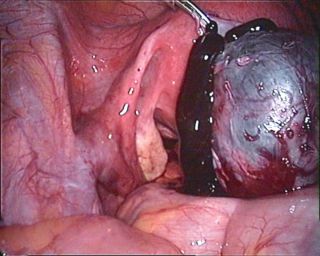
Chocolate cysts
Ovarian "chocolate cysts" (also called endometriomas) are sacs filled with old, dark blood that form on the ovaries as a result of endometriosis
The old, thickened blood inside the cyst gives it a dark, chocolate-like appearance, leading to the common name.
Cysts can rupture, causing sudden and severe pain. Their presence often indicates a more severe stage of endometriosis.
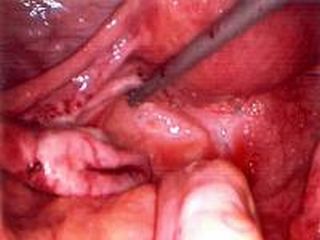
Powder burn lesions
"Powder burn" lesions are a superficial type of endometriosis lesion that typically appears black, dark brown, or blue, a color attributed to hemolyzed blood trapped within the tissue
The name comes from the dark color, which is reminiscent of a powder burn or a "gunshot" wound
These lesions are often small, superficial, and can differ in size, depth, and color.
The Many Colour of Endometriosis
These images show the different colours that endometrial implants can present
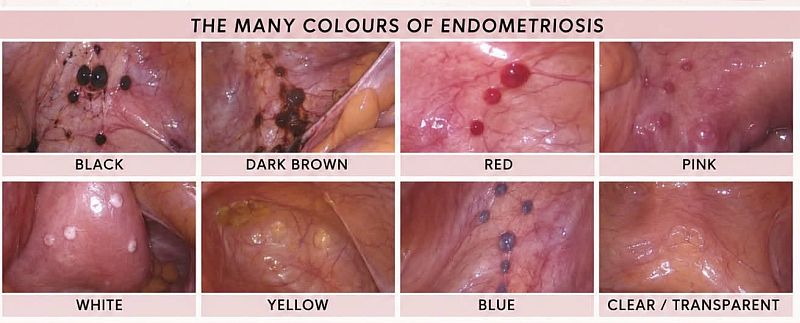
Endometriosis lesions vary widely in appearance and can present in multiple colours, including red, black, brown, blue, white, yellow, pink, and completely clear. These different colours represent different stages of activity, bleeding, and healing within the tissue.
Lesion colour does not reliably predict the severity of symptoms or the overall clinical stage of the disease.
Locations of Endometriosis
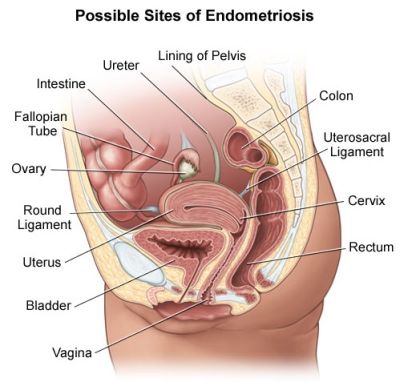
What are Adhesions?
Adhesions are scar tissue resulting from infection, inflammation, trauma, or surgery occurring anywhere in the body.
They are tiny but very strong collagen fibres that form naturally as the first step in healing. In fact, they can form anywhere in the body that healing occurs. You will find a detailed article about endometriosis adhesions and how they are surgically treated here
Common Symptoms with Adhesions
- Pelvic Pain - A constant dull ache or sharp pulling and tugging sensation when organs are held in fixed positions.
- Painful Sex – sharp pains felt during sex and pain after sexual activity
- Pain During Movement - Discomfort when stretching, bending, deep breathing, or walking.
- Urinary Problems - Pain, urgency, or trouble fully emptying the bladder if scar tissue affects the bladder.
= Digestive Issues - Constipation, diarrhea, severe bloating, gas, or nausea if the bowel is stuck or restricted.
- Problem Urinating - Scar tissue on your bladder can stop it from emptying all the way.
You might like these
Endometriosis Cysts
What are endometriosis cysts, where are they formed, how do they form and how are these cysts treated
adenomyosis versus endometriosis
These two disease cause very similar symptoms and both can be present at the same time and treatments are often similar
Endometriosis and multiple surgeries
Most women with endometriosis have multiple surgeries with many resorting to hysterectomy to try and gain relief - read experiences from women of the number of surgeries they have undergone
Endometriosis and Laparoscopy
Laparoscopy advice used for diagnosis and surgical treatment of Endometriosis
Endometriosis Diagnosis
Description of the various methods used to diagnose endometriosis including laparoscopy, imaging test, biochemical markers



https://drseckin.com/pelvic-adhesion-surgery/
https://www.medicalnewstoday.com/articles/endometriosis-adhesions#what-are-they
 As featured in:


About Endo Blog Contact Disclaimer Site Map Privacy Policy
Carolyn Levett BA, NT Nutritional Therapist -
Promoting health and well-being through nutrition, diet and lifestyle changes
The material on this website is intended for educational information purposes only.
It should not substitute or delay medical advice, diagnosis or treatment.
Unauthorized use of content or parts of content is prohibited without a written permission by the author.
www.endo-resolved.com Copyright (C) - All rights reserved 2026