Anti-inflammatory Foods to Help Endometriosis
There is scientific evidence that an anti-inflammatory diet can help manage endometriosis symptoms, though more high-quality research is needed. An anti-inflammatory diet is feasible in patients with endometriosis, according to a new study published in the journal Reproductive BioMedicine Online.
'The main goals of diet and lifestyle advice is to reduce inflammation, to help your body to cope with inflammation better and to support hormone regulation.' - The Endometriosis Foundation
Many women are now finding the benefits of using diet to help control their symptoms of endometriosis. The disease of endometriosis causes an inflammatory reaction in the body which is caused by endometrial implants, adhesion's and cysts as well as damage caused by surgery.
Inflammation is a natural response of the immune system when there is damage in the body, and the body is trying to protect itself. But when this inflammation persists it causes worsening symptoms of pain.
One of the most effective solutions to reducing inflammation and pain does not need to rely on medication which can have many negative side-effects. Simply changing the foods you eat can have a positive effect on inflammation and pain.
The basis of using diet for endometriosis is to reduce foods that cause inflammation as well as reduce foods that can increase pain caused by negative prostaglandins. Interestingly, it has been found that an anti-inflammatory diet can help relieve mental health issues such as anxiety and depression.
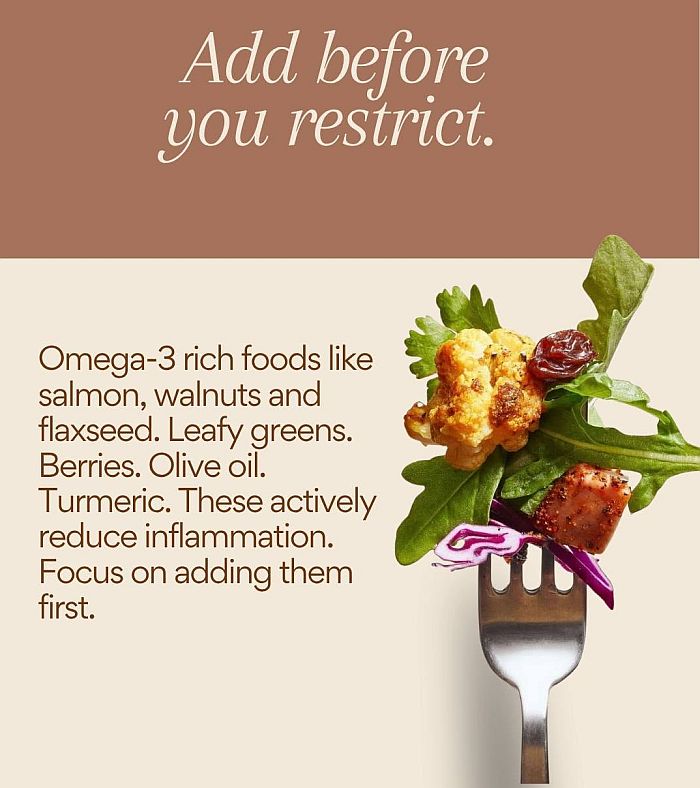
Food groups that can cause inflammation include:
- certain red meats - (mostly processed meat) grass fed is noted to be safer
- gluten - it triggers an immune response that causes inflammation in the body.
- sugar - triggers the release of inflammatory messengers called cytokines and can lead to low-grade chronic inflammation
- dairy - Dairy products containing growth hormones and antibiotics can also worsen endometriosis symptoms. There are mixed research results as to whether dairy is inflammatory but for many with endometriosis, giving up dairy has helped reduce symptoms - mostly bloating
- fried foods - The process of frying can create inflammatory oxidized fats. Studies have shown a link between eating fried foods and changes in gut bacteria that are associated with increased inflammation.
- refined oils - During the refining process, valuable nutrients are stripped away, and the oils become unstable and prone to oxidation
- food additives - emulsifiers, artificial sweeteners, and food dyes, can promote inflammation
- alcohol - increases the production of inflammatory cytokines. Alcohol turns to sugar in the body and puts stress on the liver as it tries to filter toxins out of the body
- saturated fats - can activate inflammatory pathways in the body

Download the 22 page PDF guide -
Shopping List & Nutrition Advice for an Endo Friendly Diet
With additional nutrition advice
No annoying sign-up needed!
Many of these inflammatory foods are responsible for causing endo belly which is a painful and distressing symptom suffered by many with endometriosis. Stress can also make symptoms worse and can trigger an endo flare, so reducing stress can also help along with diet changes.
As well as reducing your intake of inflammatory foods, it can help to focus on foods that can actually help to fight or reduce inflammation. The food groups that help to reduce inflammation also have additional health benefits by providing quality nutrition with vitamins, minerals, essential fatty acids and amino acids.
Anti-inflammatory Foods to Add to your Diet
A breakdown of the key anti-inflammatory foods groups and how to incorporate them into your own nutrition plan.
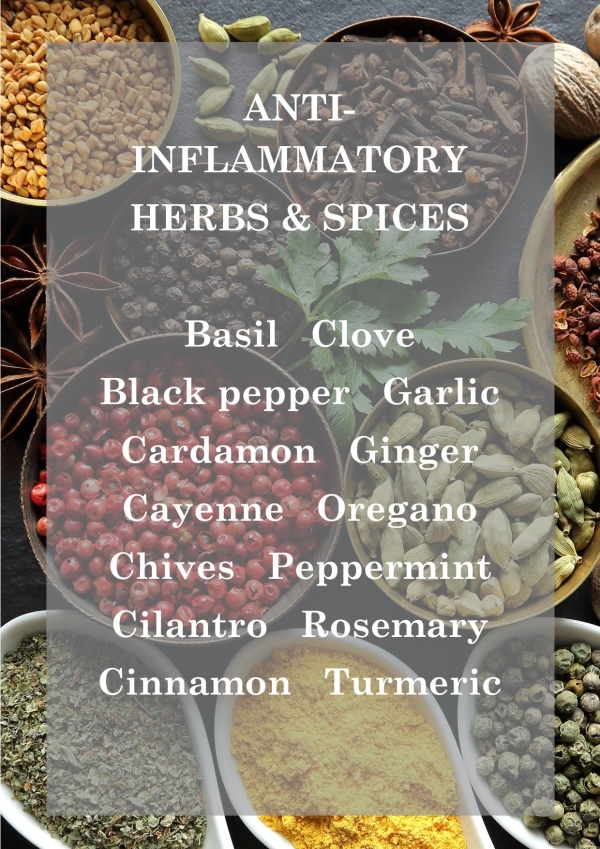
Anti-inflammatory Herbs/Spices
Many herbs and spices have anti-inflammatory properties and can easily be added to your savoury dishes.
The following are commonly used anti-inflammatory herbs and spices:
Basil, Cayenne pepper, Cilantro/Coriander, Cinnamon, Cloves, Cumin, Dill, Ginger, Garlic, Mint, Oregano, Parsley, Rosemary, Sage, Thyme, Turmeric
Turmeric and cayenne can also help with pain and help reduce inflammation
Please note - Turmeric can reduce the absorption of iron, especially when taken as a supplement - read more details HERE
Ginger can help with bloating and endo belly and is also a great anti-inflammatory. Ginger is also a great addition when making healing smoothies.
The simplest way to add the spicy options into your cooking is with spicy dishes like curries, and warming soups
Herbs can be added to omelettes, stews, casseroles and even added to certain baked recipes.
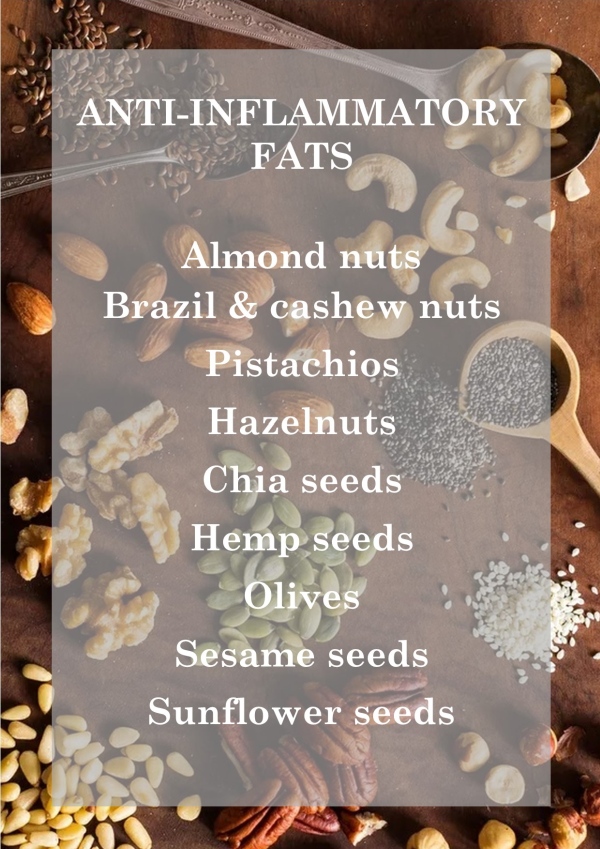
Anti-inflammatory Fats
Interestingly certain fats/oils can help with inflammation. These oils contain omega 3's which are great for helping to reduce the inflammatory response in the body.
The following is a list of fats that can help inflammation:
Almonds, Avocados, Brazil nuts, Cashews, Chia seeds, Hazelnuts, Hemp seeds, Olives, Peanuts, Pecans, Pistachios, Sesame seeds, Sunflower seeds.
Many of these foods are high in nutrition, especially avocados, chia seeds and hemp seeds.
You can add many of these foods into smoothies - like chia seeds, avocado, hemp seeds
Nuts are a great way to have something to graze on when you feel the need for a little boost
Brazil nuts are high in selenium which is a great nutrient to support thyroid health
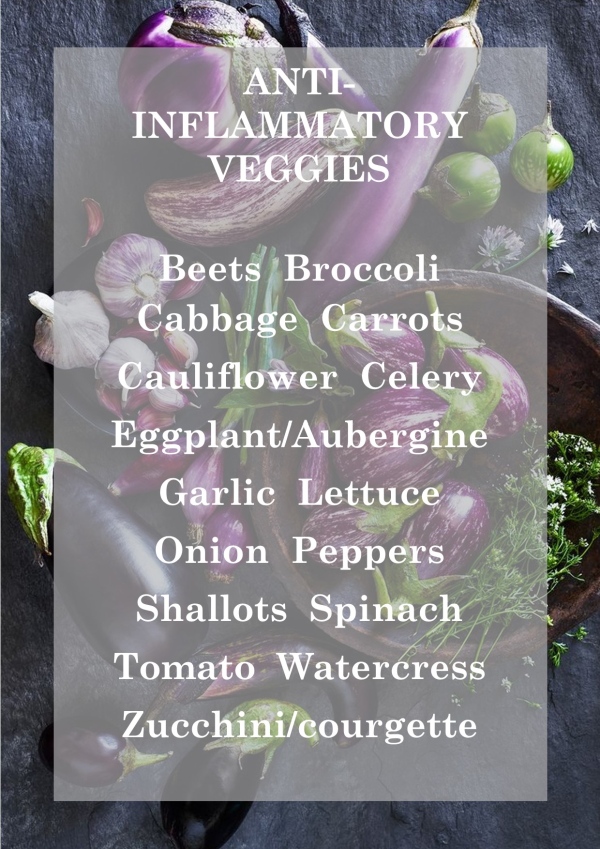
Anti-inflammatory Vegetables
Anti-inflammatory vegetables can be used in many recipes either as part of a main dish or as a side dish. Adding plenty of veggies to your diet can also help to excrete excess estrogen from your system.
The best anti-inflammatory vegetables include:
Beets, Broccoli, Cabbage, Carrots, Cauliflower, Celery, Cucumber, Garlic, Eggplant/Aubergine, Lettuce, Kale, Leeks, Onion, Peppers, Shallots, Spinach, Tomato, Watercress, Zucchini/courgette.
Beets and celery are really good for detoxing your liver which will also help to speed the removal of estrogen
Many of these veggies can be use in green smoothies which will be packed with nutrients and anti-oxidants
The one ingredient that may cause problems are onions, and they seem to cause gut distress for a number of women with endometriosis.
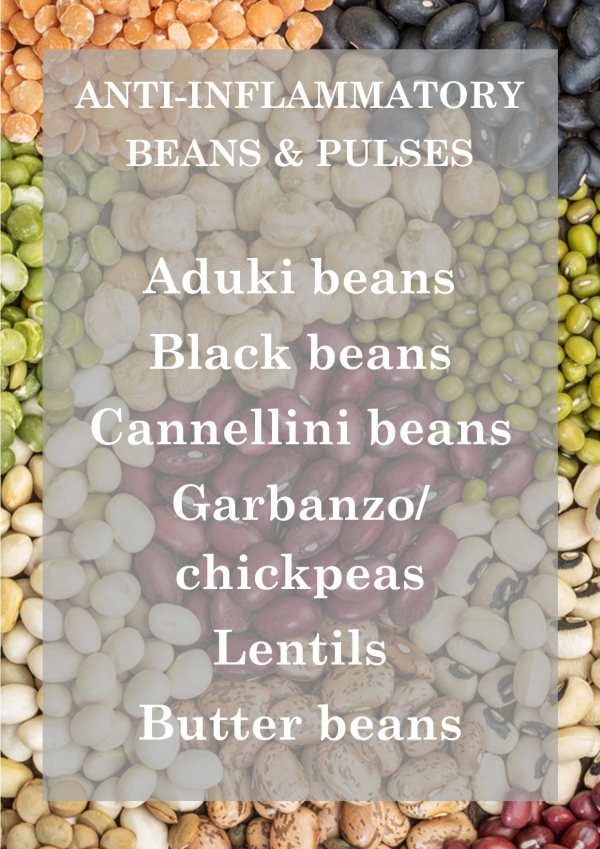
Anti-inflammatory Beans & Pulses
Certain beans and pulses can help with inflammation and are easily incorporated into many recipes like casseroles, curries and soups.
The best anti-inflammatory pulses include:
Adzuki Beans, Black Beans, Cannellini Beans, Garbanzo/chickpea Beans, Green Beans, Lentils, Butter Beans, Navy Beans
Most of the beans and pulses are available as dried ingredients but to save time then using canned is OK.
One issue with bean and pulses is that they need to be well cooked otherwise there is the possibility of them causing gut distress with some bloating and wind. It is advised to experiment and see how you respond. Personally I found that if beans were cooked well then I had no issue tolerating them but if you are using ready cooked canned beans then this will reduce the problem.
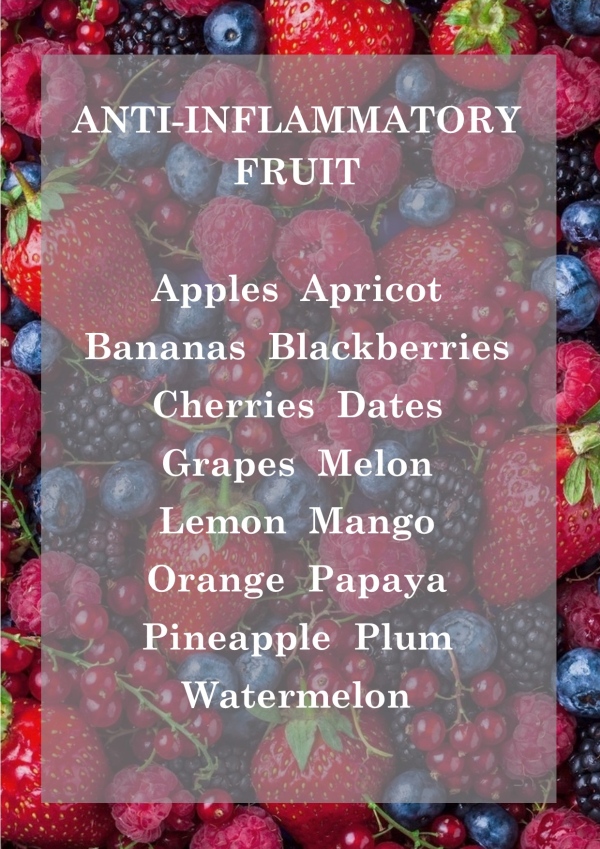
Anti-inflammatory Fruit
Fruit is a good addition to your diet to help with inflammation and help with digestion. It is advisable not to have too much fruit as the sugars in fruit can upset some with endometriosis, but having some fruit in your diet helps to provide balanced nutrien
The best anti-inflammatory fruits include:
Apple, Apricot, Banana, Blackberries, Blueberries, Cantaloupe, Cherries, Dates, Grapes, Melon, Lemon, Mango, Orange, Papaya, Pineapple, Plum, Strawberries, Watermelon.
Pineapple is really good at helping to relieve pain and is also good to aid digestion.
Lemon water is good to drink first thing in the morning to help stimulate digestion and helps the liver
Obviously most of these fruits are ideal to make into smoothies.
Try not to overdo it with fruits as the high sugar content will cause problems
As well as reducing foods that cause inflammation and adding
in foods that reduce inflammation, as mentioned earlier, you need to reduce
foods that promote the negative prostaglandins which are responsible for
causing pain and inflammation. You can
read more how prostaglandins affect endometriosis here.
Additionally, your diet needs to include foods that help to balance your estogen levels. Including foods that contain phyto-estogens can help to block the excess estogen in your system as well as block xenoestrogens that are found in chemicals in the environment and in household cleaners and toiletries.
You do not want to have too many phyto-estrogens in your diet, but consuming enough to be of benefit will help block excess estogens from entering your receptors. You can read more about balancing phyto-estogens in your diet here
Everyone is different and as such will respond differently to diet changes. But most women with endometriosis who leave out inflammatory foods are finding a reduction in the symptoms they suffer. Adding in foods that can help to reduce inflammation will help even more in the fight against the debilitating symptoms of this disease.
You might like these
Problems of hidden gluten with the endometriosis diet
Cutting out gluten to help with the symptoms endometriosis can be tricky as gluten can hide is surprising places
Endometriosis and phytoestrogens in your diet
Clarification of the role of phytoestrogens in your diet with endometriosis and how they can balance estrogen uptake and help your symptoms
Anti-inflammatory diet for endometriosis
An anti-inflammatory diet is the basis of the diet to help reduce the symptoms of pain, bloating and inflammation with endometriosis
Endometriosis - The Red Meat Debats
There seem to be varying points of view as to whether red meat should be omitted from the diet to help with endometriosis - a look at the pros and cons
Is Soy Bad for Endometriosis
Traditional soy foods eaten a few times a week can help to reduce endometriosis but modern soy based foods may cause numerous problems.



About the Author
Hi, I am Carolyn Levett, the Founder here at endo-resolved - I am an Integrative Health Coach having studied nutrition, naturopathy and aromatherapy as well as being a published author of three endometriosis books. I used to suffer from severe endometriosis and was fortunate to be able to regained my health and recover from this disease with the support of nutrition, natural therapies and lots of determination.
My motivation is to help other women with endometriosis to heal their bodies so they may start to overcome this awful disease without having to totally rely on toxic drugs and surgeries which can cause further damage - with healing thoughts, Carolyn.
Reference:
https://www.health.harvard.edu/staying-healthy/foods-that-fight-inflammation
https://www.webmd.com/diet/anti-inflammatory-diet-road-to-good-health#1
https://www.drseckin.com/the-relationship-between-endometriosis-inflammation-and-diet
Trans Fatty Acids and Systemic Inflammation in Women:
https://pubmed.ncbi.nlm.nih.gov/15051604/
Affects of red meat and inflammation
https://pubmed.ncbi.nlm.nih.gov/15254009/
Influence of diet on endometriosis
https://pubmed.ncbi.nlm.nih.gov/28326519/
https://pmc.ncbi.nlm.nih.gov/articles/PMC9983692/
 As featured in:

About Endo Blog Contact Disclaimer Site Map Privacy Policy
Carolyn Levett BA, NT Nutritional Therapist -
Promoting health and well-being through nutrition, diet and lifestyle changes
The material on this website is intended for educational information purposes only.
It should not substitute or delay medical advice, diagnosis or treatment.
Unauthorized use of content or parts of content is prohibited without a written permission by the author.
www.endo-resolved.com Copyright (C) - All rights reserved 2026