Estrogens in Food (phytoestrogens) and Endometriosis
This topic always causes a heated debate, so let's get a better understanding why eating some phytoestrogen foods can be beneficial with endometriosis.
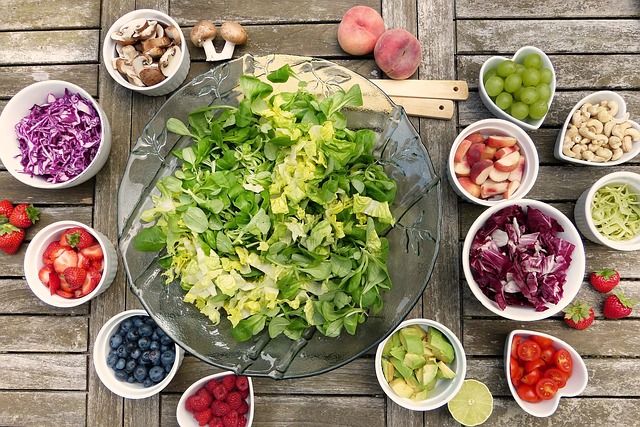
The question is often asked by women who are confused about the subject of estrogenic foods in their diet. The concern is that eating foods that contain estrogenic compounds will make their endometriosis worse.
It is known that there are various foods that contain natural estrogens (called phytoestrogens) – but these are different estrogens from those found in the body. Phyto-estrogens are much less potent than the bodies own estrogens and are also excreted from the body much easier. It is thought that they actually block the body's estrogen receptor sites, thereby reducing the effect of a woman's own hormones.
For this reason it is beneficial to have some phytoestrogen foods in your diet because the estrogenic compounds they contain will also block additional estrogens entering your system (those that can be found in the environment, toiletries etc., and help reduce estrogen dominance). BUT you do need to keep the consumption of these phytoestrogens in balance and not over do it.
Soy and Phytoestrogens
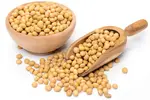
Soybeans provide an alternative source of protein and are often promoted because they are high in two estrogen-like plant compounds, genistein and daidzein. Both of these phytoestrogens prevent your body from taking up the more harmful forms of estrogen circulating in your blood.
However, soy contains very high levels of phytoestrogens and can interfere with nutrient absorption and may cause gut distress. Avoiding soy includes soy-based proteins used in alternative foods and soy-based convenience meals. However, including traditional soy foods like tofu, and fermented options like miso, tempeh, natto, and soy sauce are safe when eaten in moderation. These traditional fermented soy foods are the easiest traditional soy options to digest. Whole, unfermented soybeans contain high levels of complex sugars (oligosaccharides like stachyose), phytic acid, and enzyme inhibitors that naturally cause gas, bloating, and stomach discomfort.
The Issue with soy beans
Not only is it advisable to avoid commercial soy-based proteins, especially those found in vegetarian convenience foods, but adding soy beans to home-cooked dishes may also cause digestive problems.
- Soybeans contain indigestible carbohydrates (oligosaccharides) that can cause bloating, gas, and nausea in some individuals.
- Soy contains antinutrients like phytates and lectins, which can bind to minerals (like iron and zinc) and temporarily lower your body's ability to absorb these vital nutrients.
- The molecular structure of soy closely resembles the molecular structure of gluten, which is known to contribute to inflammation and cause an immune response in people who have a sensitivity to gluten.
- Several studies have linked soy consumption to a reduction in the gut’s barrier function. Soy consumption may contribute to leaky gut syndrome, which can cause inflammation and problems with digestion like excess gas and bloating.
- The vast majority of soybeans grown globally are genetically modified (GMO) and are frequently treated with herbicides. When dealing with endometriosis it is strongly advised to avoid chemicals as much as possible, and consuming foods that have been covered in chemicals will only make matters worse.
You can read further details regarding soy and endometriosis HERE
Foods and Phytoestrogens
The active compounds in our foods are very complex. The key to using diet for endometriosis and phytoestrogens is to keep things in balance. If you were to look closely at the list of estrogenic foods it would become clear that you are not going to consume these foods day in day out.
Role of Phytoestrogens in Endometriosis
The Journal of Obstetrics and Gynaecology – Dec 2025
Aim
To investigate the therapeutic potential of phytoestrogens in the management of endometriosis and to elucidate their mechanisms of action based on current preclinical and clinical evidence.
Phytoestrogens exhibit both estrogenic and anti-estrogenic properties depending on their concentration and receptor affinity. Compounds such as resveratrol, genistein, and quercetin have demonstrated the ability to inhibit aromatase activity, downregulate pro-inflammatory cytokines (e.g., TNF-α, IL-6, and COX-2), and suppress vascular endothelial growth factor (VEGF) expression. These actions contribute to reduced lesion growth, decreased inflammation, and enhanced apoptosis in experimental models. Despite these promising findings, clinical data remain limited, and bioavailability concerns, individual variability in metabolism, and potential adverse effects—such as gastrointestinal discomfort or endocrine disruption—must be carefully considered.

Some of the foods that are most commonly listed as containing estrogenic compound (phytoestrogens) include:
Alfalfa – high phytoestrogens. Baker's yeast, Barley, Black-eyed peas, Cucumbers, Dates , Eggplant, Flax-seeds - high in phytoestrogens. Hops. Papaya. Peas. Peppers. Plums. Potatoes, Red beans, Rhubarb. Soybean sprouts, Soybeans - high in phytoestrogens, Tomatoes, Wheat, Yam
Its worth noting that these foods have varying levels of phytoestrogens and not all these foods will cause you problems. As noted above - it is advised to avoid soy products if you have thyroid issues as soy is known to make Hypothyroidism worse and may be involved in goitre development.
FAQ
How much phytoestrogen foods can I eat with endometriosis?
Incorporating moderate amounts of whole-food phytoestrogens is generally considered safe and may be beneficial for managing symptoms.
How do phytoestrogen foods help endometriosis?
They inhibit aromatase (an enzyme that produces estrogen within the endometriosis lesions themselves), slowing down the growth of the tissue.
Anti-inflammatory - They downregulate inflammatory markers like TNF-α, IL-6, and COX-2, which are primary drivers of pelvic pain.
They suppress VEGF (Vascular Endothelial Growth Factor), meaning they make it harder for endometriotic lesions to develop the new blood vessels they need to survive
Can phytoestrogens be used to treat endometriosis?
Because endometriosis is an estrogen-dependent condition, the role of phytoestrogens is complex. Preclinical studies show they may reduce inflammation and lesion growth, but human clinical data remain limited and inconclusive.
What food has the highest amount of phytoestrogens?
Flaxseeds contain the highest overall amount of phytoestrogens (specifically a type called lignans), packing roughly 750 to 800 times more than other plant foods. Soybeans and soy products (like tofu, tempeh, and edamame) rank second overall, but they contain the highest concentration of a different type called isoflavones
What are the symptoms of too much phytoestrogen?
Consuming excessive amounts of phytoestrogens—plant-derived compounds that mimic or modulate estrogen—rarely causes severe toxicity through diet alone, but very high doses or extreme sensitivity can lead to digestive discomfort, hormonal shifts, and fatigue.
How do phytoestrogens affect endometriosis
Phytoestrogens are molecularly similar to human estrogen (E₂) and bind to the same estrogen receptors (ER). How they affect you depends on your body's existing hormonal levels
Endometriosis and Phytoestrogens: Friends or Foes? A Systematic Review
Phytoestrogens can act as either a "friend or foe" to endometriosis, depending largely on how they interact with your body’s natural estrogen levels. Because endometriosis is an estrogen-dependent condition, the introduction of plant-based estrogens (phytoestrogens) can alter how the disease behaves.
Concerns about Supplementing with phytoestrogens
Can phytoestrogens in supplement form react with drugs for endometriosis?
Phytoestrogens can interact with medications used to treat endometriosis. Because endometriosis is an estrogen-dependent condition, medical treatments generally aim to lower estrogen levels or block its activity. If taken in concentrated supplement forms, phytoestrogens can interfere with the therapeutic goals of specific endometriosis drugs.
The Estrogenic Effect: In a low-estrogen environment—such as when you are taking aggressive hormone-suppressing endometriosis drugs—phytoestrogens can switch behavior and act as a mild estrogen stimulant. This is why they are risky when combined with medical treatments designed to keep your estrogen levels as low as possible.
Dietary Phytoestrogens: Eating moderate amounts of whole foods like tofu, edamame, or flaxseeds as part of a balanced diet is generally considered safe and has not been shown to trigger severe clinical interactions.
Supplements: High-dose pills, powders, or herbal remedies (like red clover or concentrated soy isoflavone extracts) carry a much higher risk of interacting with your prescriptions.
You might like these
Problems of hidden gluten with the endometriosis diet
Cutting out gluten to help with the symptoms endometriosis can be tricky as gluten can hide is surprising places
Anti-inflammatory diet for endometriosis
An anti-inflammatory diet is the basis of the diet to help reduce the symptoms of pain, bloating and inflammation with endometriosis
Endometriosis - The Red Meat Debats
There seem to be varying points of view as to whether red meat should be omitted from the diet to help with endometriosis - a look at the pros and cons
Is Soy Bad for Endometriosis
Traditional soy foods eaten a few times a week can help to reduce endometriosis but modern soy based foods may cause numerous problems.
Estrogens and the diet for endometriosis
Certain foods can mimic estrogen in the diet and this in turn will affect the symptoms of endometriosis



About the Author
Hi, I am Carolyn Levett, the Founder here at endo-resolved - I am an Integrative Health Coach having studied nutrition, naturopathy and aromatherapy as well as being a published author of three endometriosis books. I used to suffer from severe endometriosis and was fortunate to be able to regained my health and recover from this disease with the support of nutrition, natural therapies and lots of determination.
My motivation is to help other women with endometriosis to heal their bodies so they may start to overcome this awful disease without having to totally rely on toxic drugs and surgeries which can cause further damage - with healing thoughts, Carolyn.
Reference:
https://pmc.ncbi.nlm.nih.gov/articles/PMC9783589/
https://www.medicinenet.com/phytoestrogens/article.htm
https://pubmed.ncbi.nlm.nih.gov/34444692/
https://obgyn.onlinelibrary.wiley.com/doi/abs/10.1111/jog.70158
https://pubmed.ncbi.nlm.nih.gov/41373108/
https://www.medicalnewstoday.com/articles/320630.php
https://en.wikipedia.org/wiki/Phytoestrogen
 As featured in:

About Endo Blog Contact Disclaimer Site Map Privacy Policy
Carolyn Levett BA, NT Nutritional Therapist -
Promoting health and well-being through nutrition, diet and lifestyle changes
The material on this website is intended for educational information purposes only.
It should not substitute or delay medical advice, diagnosis or treatment.
Unauthorized use of content or parts of content is prohibited without a written permission by the author.
www.endo-resolved.com Copyright (C) - All rights reserved 2026