Anti-inflammatory Diet to Help Endometriosis
An anti-inflammatory diet can help you to put out the fire! You need to be feeding yourself - but not feeding your endometriosis
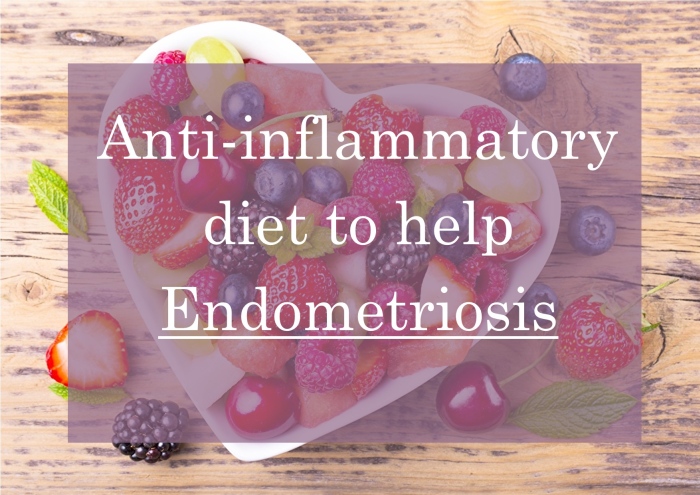
The basic principle of using diet to help with endometriosis is to remove foods that cause inflammation. Endometriosis already causes inflammation so you do not want to be adding to the problem by eating foods that make matters worse.
The other dietary issues to take on board to help endometriosis is to reduce foods that promote negative prostaglandins because they increase your symptoms of pain. Prostaglandins are very powerful - you can read more about them HERE
And finally, your diet needs to include foods that help you to balance your hormones and reduce your estrogen levels. A more detailed explanation of the diet to help with endometriosis is found HERE, but for now we will just concentrate on the issue of inflammation related to diet.
To begin with it is important to understand that inflammation by itself is a natural process. It is a natural bodily response to injury or illness, where the immune system goes into action and your army of white blood cells goes to the affected areas by increasing blood flow.
Due to this reaction there will be swelling, pain, redness, heat or discomfort. For example, when you have a cut it will turn red and puffy – that’s inflammation. It is part of a healthy response that aids healing.
But when the immune system over-reacts and starts attacking the healthy tissues as well, that is the kind of inflammation you don’t want. That is the kind of inflammation that causes excess pain and distress in the body.
The implants, cysts and adhesions that occur with endometriosis all cause an excess of the inflammatory response in the body. Your body is only trying to do what it should do, and that is to protect other nearby cells and organs from damage. But unfortunately, this protection process causes more inflammation.
Therefore, if you can reduce this inflammation from happening in the first place by changing what you eat, then it stands to reason you will feel less pain. And to help your body even further, if you eat foods that actually reduce inflammation in your body, this will help you even more and reduce your symptoms of pain because you are reducing the inflammation in your body.
Download the guide - Shopping List & Nutrition Advice for an Endo Friendly Diet - including a few healing smoothie recipes to get you started

Download the 22 page PDF guide -
Shopping List & Nutrition Advice for an Endo Friendly Diet
With additional nutrition advice
No annoying sign-up needed!
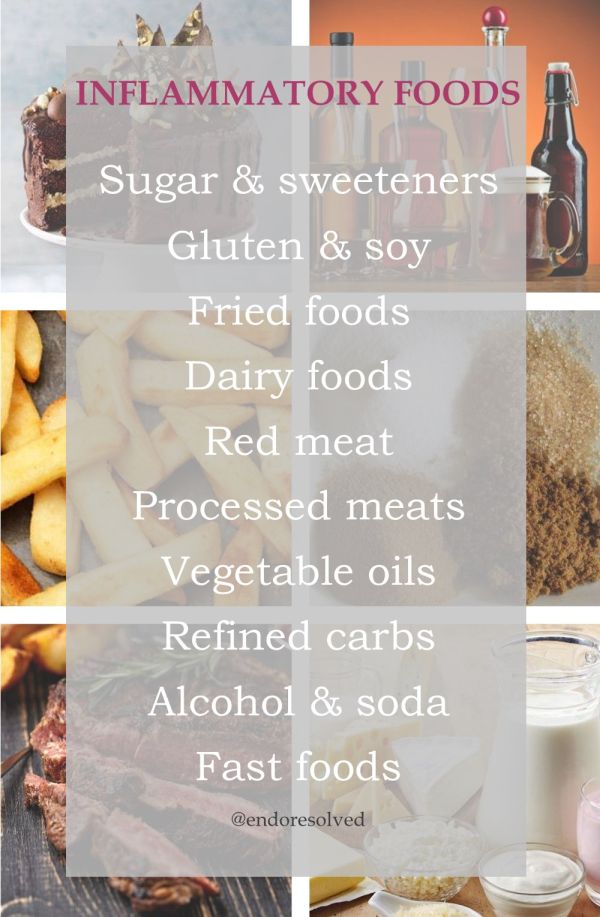
Some of the problem foods to avoid for an anti-inflammatory diet include:
- Red meat - some people of OK eating organic red meat and this is totally individual
- Dairy - again, some people are not affected by diary
- Sugars - definitely inflammatory and has no nutritional value
- Gluten - tend to cause problems for many women
- Simple carbohydrates such as white bread, pasta and rice - can spike blood sugars and these are all inflammatory
- Foods that are high in saturated and trans fats - can promote inflammatory prostaglandins
- Vegetable oils such as sunflower - high in omega-6 fatty acids that may promote inflammation, and prone to forming harmful compounds when repeatedly heated.
Following an anti-inflammatory diet may seem limiting at first, but you will soon adjust to the changes. You may have to eliminate some of your favourite foods but there are alternatives you can use instead. It is better to make some dietary changes rather than continue to feel the pain and distress caused by the inflammation with endometriosis.
Aim for plenty of fruits and vegetables with an emphasis on the veg. Try to make several of your veg servings using dark leafy greens since they contain powerful antioxidants. Also, its best to eat in season, eat local, and eat a varied diet to ensure you are getting all the nutrients you need.
Have fatty fish at least 2 or 3 times a week, such as wild-caught salmon or mackerel which will help your pain as oily fish is high in omega-3’s, which can help reduce inflammation.
It also helps to eat healthy fats and this includes olive oil, coconut oil, avocado, and nuts/seeds.
Anti-inflammatory Foods List
Turmeric - The curcumin in turmeric blocks inflammatory cytokines and enzymes, and this can help combat inflammation. Be aware the turmeric can block the absorption of iron and if you have heavy periods and need to supplement with iron then it is advised to rotate when you take your supplements.
Leafy green vegetables such as kale, chard, and spinach - green veggies are high in natural antioxidants and polyphenols, which can help combat inflammation. Leafy greens are packed with vitamins A, C, K, and folate. They also provide iron, calcium, and fiber while remaining very low in calories
Celery - celery is a natural anti-inflammatory. It contains luteolin, a phytochemical that has many health benefits. It has been shown to reduce inflammation in many parts of the body, including the brain. Celery is often added to green smoothies to help detox the liver. It provides essential nutrients like vitamins A, C, and K, as well as potassium and folate.
Beets - helps fight inflammation and prevent cancer and heart disease - also very good for liver health. Beets are packed with essential vitamins, minerals, and plant compounds.
Pineapple - contains bromelain. Bromelain is a natural anti-inflammatory agent and controls swelling, bruising, and pain. Read more about bromelain here Also has high levels of vitamin C and manganese.
Blueberries – packed with powerful compounds that fight inflammation and prevent cell damage
Cherries – especially dark cherries can reduce inflammation. Also packed with powerful antioxidants, vitamin C, potassium, and fiber. Dark cherries are used in supplements or a drink concentrate to take in the evening as dark cherries contain melatonin which can aid with sleep,
Tomatoes - tomatoes are rich in lycopene, an antioxidant found to fight inflammation. Also, cooked tomatoes offer more lycopene than raw ones. Some women with endometriosis do not tolerate tomatoes because tomatoes are nightshades and high in histamines, which can trigger gut inflammation, bloating, and pelvic pain flare-ups.
Ginger - One study by the University of Miami concluded that ginger could be a substitute for non-steroidal anti-inflammatory drugs. Ginger is also really helpful to help reduce nausea and can be make into a tea.
Garlic - Garlic contains an anti-inflammatory compound that helps fight inflammation and pain, and can help with cartilage damage.
Red peppers - Red peppers are rich in capsaicin, a chemical known to fight inflammation. Also high in vitamin C and vitamin A
Green tea – a substance in green tea helps with inflammation. The primary substance in green tea that helps fight inflammation is epigallocatechin-3-gallate (EGCG), which belongs to a group of antioxidant plant compounds called catechins (or polyphenols). Green tea is packed with powerful plant-based antioxidants called catechins (specifically EGCG) and an amino acid called L-theanine which is a calming amino acid.
Dark chocolate - Dark chocolate is packed with antioxidants that reduce inflammation - try and get organic low sugar chocolate which will be all good to eat when you have endometriosis. Or you can make your own – see here
Olive oil - Olive oil is rich in oleic acid, which is known to fight inflammation. Olive oil has powerful antioxidants like polyphenols. Regular consumption helps lower bad LDL cholesterol and reduces chronic inflammation
Coconut oil - the oil contains lauric acid, an important compound that fights inflammation. Also the lauric acid has antibacterial and antifungal properties and can be beneficial to help with Candida
Chia seeds – rich in omega 3’s which are anti-inflammatory. Chia seeds are tiny powerhouses packed with fiber, plant-based omega-3 fatty acids, complete protein, and essential minerals. Regular use supports digestive health, helps stabilize blood sugar, promotes heart health and they may help with weight loss as they make you feel full for longer as they swell up in stomach.
Salmon, tuna, mackerel – all packed with omega 3’s which is anti-inflammatory
Quinoa - Quinoa contains phytochemicals that help fight inflammation. It also contains saponins, other important compounds known to prevent inflammation. Also contains magnesium and iron. Quinoa can be used as sprouted grains - sprouting quinoa significantly alters its nutritional composition, increasing total protein content by roughly 17%, bioavailable iron by 76%, and folate (vitamin B9) by 1.73 times. They take about 24 to 36 hours to sprout.
To get more details you will find a list of more anti-inflammatory foods and spices here

To recap the anti-inflammatory diet . . .
The basic principle to reduce inflammation through your diet is to omit the foods as mentioned above, and then to help reduce inflammation even further, increase your intake of those foods that are anti-inflammatory.
Interestingly, most of the anti-inflammatory foods have additional health benefits, like pineapple which can reduce the sensation of pain with the compound of bromelain. And we all know of the many health benefits of garlic as being a great natural anti-biotic and its ability to support the immune system.
An anti-inflammatory diet will not reduce all your symptoms of pain caused by endometriosis, but its a good start. To really help with your pain, as mentioned earlier, you also need to change your diet by reducing the foods that promote the bad prostaglandins that increase pain, which you can read about here
If you are coming unstuck with what to eat there some endo friendly recipes which you will find here
You might like these
Problems of hidden gluten with the endometriosis diet
Cutting out gluten to help with the symptoms endometriosis can be tricky as gluten can hide is surprising places
Endometriosis and phytoestrogens in your diet
Clarification of the role of phytoestrogens in your diet with endometriosis and how they can balance estrogen uptake and help your symptoms
Endometriosis - The Red Meat Debats
There seem to be varying points of view as to whether red meat should be omitted from the diet to help with endometriosis - a look at the pros and cons
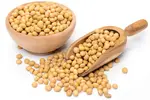
Is Soy Bad for Endometriosis
Traditional soy foods eaten a few times a week can help to reduce endometriosis but modern soy based foods may cause numerous problems.
Estrogens and the diet for endometriosis
Certain foods can mimic estrogen in the diet and this in turn will affect the symptoms of endometriosis


About the Author
Hi, I am Carolyn Levett, the Founder here at endo-resolved - I am an Integrative Health Coach having studied nutrition, naturopathy and aromatherapy as well as being a published author of three endometriosis books. I used to suffer from severe endometriosis and was fortunate to be able to regained my health and recover from this disease with the support of nutrition, natural therapies and lots of determination.
My motivation is to help other women with endometriosis to heal their bodies so they may start to overcome this awful disease without having to totally rely on toxic drugs and surgeries which can cause further damage - with healing thoughts, Carolyn.
Reference:
https://www.healthline.com/health/endometriosis/endometriosis-diet
https://www.medicalnewstoday.com/articles/321471.php
https://www.ncbi.nlm.nih.gov/pmc/articles/PMC6330594/
 As featured in:


About Endo Blog Contact Disclaimer Site Map Privacy Policy
Carolyn Levett BA, NT Nutritional Therapist -
Promoting health and well-being through nutrition, diet and lifestyle changes
The material on this website is intended for educational information purposes only.
It should not substitute or delay medical advice, diagnosis or treatment.
Unauthorized use of content or parts of content is prohibited without a written permission by the author.
www.endo-resolved.com Copyright (C) - All rights reserved 2026