Adapting your Diet to Help Endometriosis
Food as a Tool
Diets are not a cure for endometriosis. But it is one of the most valid supported tools available for managing its inflammatory drivers - and that makes it extraordinarily powerful.
There is lots of advice about diet and nutrition to help with endometriosis, but how do you adapt to a new way of eating ? This article gives you advice to help you get started and gradually introduce new diet changes.
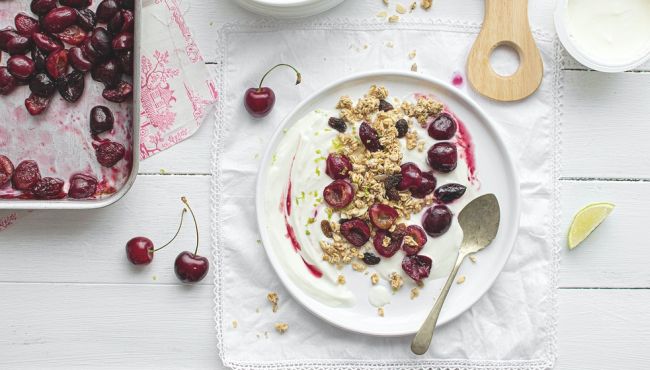
Living with endometriosis can be challenging, and while changing your diet won't cure the disease, making some personalised adjustments may help support your overall health, reduce inflammation and, for some women, ease certain symptoms.
It's important to remember that there is no single diet that works for everyone with endometriosis. What helps one person may not make a difference to another. The aim isn't to follow a strict or restrictive diet, but to find an approach that makes you feel better, nourishes your body and is manageable in the long term.
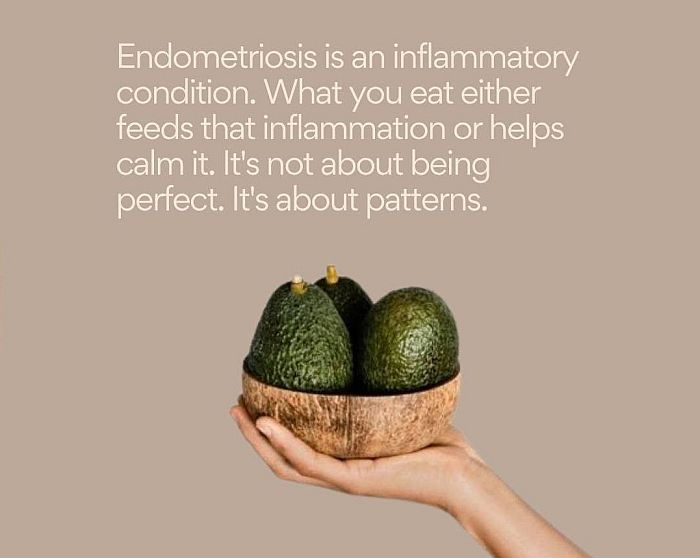
Here are Some Gentle ways to get Started
1. Start with small, gradual changes
Don't feel you need to overhaul your entire diet overnight. Making too many changes at once can feel overwhelming and difficult to maintain. Instead, start with one or two simple swaps and build from there.
For example, try choosing wholegrain bread over white bread, replacing sugary drinks with water or herbal tea, or adding an extra portion of vegetables to your evening meal. Small, consistent changes can make a real difference over time.
2. Focus on what you can add rather than what you need to remove
It's easy to become focused on all the foods you feel you should avoid, but I would encourage you to approach this from a more positive perspective. Think about how you can nourish your body by adding more colourful vegetables, leafy greens, berries, whole fruits, beans and wholegrains. These provide fibre, vitamins, minerals and antioxidants that support general health and digestive function.
3. Include more omega-3 fatty acids
Omega-3 fatty acids have anti-inflammatory properties and may help support the body's inflammatory response. Try including oily fish such as salmon, sardines and mackerel in your meals, alongside plant-based sources such as walnuts, chia seeds and ground flaxseeds.
Extra virgin olive oil is also a good addition to a balanced diet. Aim for variety rather than feeling you need to eat the same foods every day.
4. Keep a food and symptom diary
One of the most useful things you can do is start paying attention to how your body responds to different foods. Try recording what you eat alongside your pain levels, bloating, bowel movements, energy levels and any other symptoms you experience.
Over time, you may begin to notice patterns or particular foods that seem to aggravate your symptoms. Remember that symptoms can also fluctuate with your menstrual cycle, stress and sleep, so try not to draw conclusions from one isolated experience. Personally, I found keeping a food and symptoms journal was invaluable and allowed me to clearly see the improvements as I adjusted my diet or added in any supplements.
5. Be mindful of foods that may aggravate inflammation or symptoms
Some research suggests that diets high in red and processed meats, saturated fats, trans fats and refined sugars may be associated with poorer inflammatory health. You may find it helpful to reduce processed foods, sugary snacks and heavy alcohol consumption, while being mindful of how caffeine affects your individual symptoms.
However, there is no need to eliminate entire food groups unless you have a clear reason to do so. The overall pattern of your diet matters more than being perfect with every meal.
6. Look after your gut health
Digestive symptoms such as bloating, constipation, diarrhoea and abdominal discomfort are common for many women with endometriosis. Supporting your gut health through a varied, fibre-rich diet may help. Include foods such as oats, vegetables, fruit, beans, lentils, nuts and seeds, increasing fibre gradually and drinking enough water.
Fermented foods such as live yoghurt and kefir may also be worth incorporating if you tolerate them well. If you experience significant digestive symptoms, it's worth discussing these with your healthcare professional, as conditions such as IBS or SIBO can coexist with endometriosis. Digestive enzymes are also valuable to add to you gut health regime as they can aid in digestion and some enzymes can help with pain and inflammation.
7. Don't forget the importance of a balanced diet
When you're dealing with ongoing pain and fatigue, it's important to give your body the nourishment it needs. Try to include a good source of protein, healthy fats and fibre-rich carbohydrates in your meals.
Pay particular attention to iron-rich foods, especially if you experience heavy periods, as well as calcium and vitamin D for bone health. If you are struggling with fatigue or suspect you may have nutritional deficiencies, speak to your healthcare professional about whether blood tests or supplements are appropriate.
8. Be kind to yourself and avoid unnecessary restrictions
Perhaps most importantly, don't let managing endometriosis through diet become another source of stress. There is no need to be perfect, and enjoying your favourite foods is absolutely fine. Restrictive diets can sometimes lead to nutritional deficiencies, increased anxiety around food and an unhealthy relationship with eating.
If you suspect certain foods are triggering symptoms, consider making changes one at a time rather than eliminating lots of foods at once. A registered dietitian with experience in endometriosis can help you do this safely.
A final thought
I always encourage taking a balanced, realistic approach to nutrition. Endometriosis is a complex condition, and diet is just one part of managing the disease. It isn't about finding a miracle food or following the latest restrictive diet; it's about understanding your own body, making informed choices and finding what genuinely helps you feel your best.
Most importantly, please remember that if you continue to experience pain or debilitating symptoms, you deserve appropriate medical support. Dietary changes should complement, not replace, medical treatment and specialist care.
Be patient with yourself. Listen to your body, make changes at a pace that feels comfortable, and remember that looking after yourself is about progress, not perfection.

FAQ
Should I give up gluten to help my symptoms?
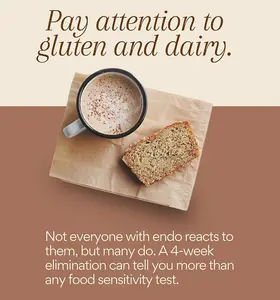
There is currently limited evidence that everyone with endometriosis benefits from avoiding gluten. It is best considered individually, particularly where coeliac disease or a specific sensitivity is suspected. There is no evidence for cutting out gluten completely unless you have coeliac disease, but some people do report benefits.
Why do some people with endometriosis feel better without gluten?
Reduced systemic inflammation: For individuals with non-celiac wheat sensitivity or an activated immune response, removing wheat, barley, and rye can calm gut permeability and lower inflammatory cytokines.
What about caffeine and alcohol?
Individual tolerance is what matters, and evidence that eliminating either improves endometriosis itself is limited. However, caffeine may increase negative prostaglandins that are responsible for triggering pain and inflammation.
Do I need to give up dairy foods?
Dairy only needs to be removed if it specifically worsens your personal symptoms, such as bloating, cramps, or digestive distress.
How do I manage iron deficiency?
Heavy menstrual bleeding can contribute to iron deficiency, which may worsen fatigue. You may have found stopping red meat has improved your symptoms but this means your intake of valuable heme iron is not longer suitable. You may need to consider iron supplements with the guidance of your doctor or you can increase alternative iron rich foods.
Does a low-FODMAP diet work?
Many people with endometriosis also experience irritable bowel syndrome (IBS)-like symptoms. A low-FODMAP diet or short-term elimination diet can help identify specific food triggers, which is best done alongside a registered dietitian.
What is the FODMAP diet?
FODMAP stands for fermentable oligosaccharides, disaccharides, monosaccharides and polyols. These are known as short-chain carbohydrates and are poorly absorbed by the small intestine. Some people experience symptoms such as cramping and diarrhoea after eating them. The diet is a short-term intervention that involves three steps of cutting out high FODMAP foods such as beans, lentils, onions and garlic. Then reintroducing them gradually and maintaining a diet that excludes any triggers.
How do I figure out my personal triggers?
Keeping a daily food and symptoms journal for at least a few months helps you track how your body reacts to specific meals. Long-term it can be really helpful to maintain a symptoms and diet diary which can help to speed up consultations with your doctor.
To get real-life feedback you can read success stories about making diet changes from others HERE
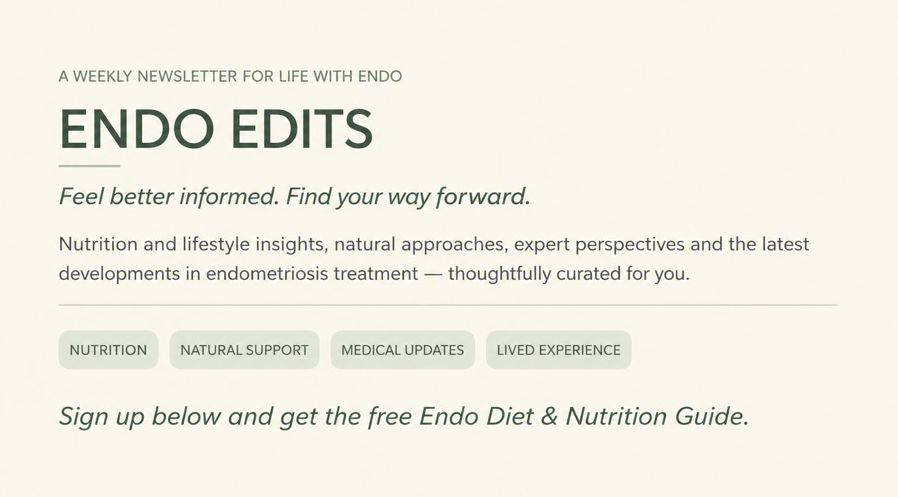
Subscribe to the Newsletter ENDO EDITS to receive your FREE
' Endo Diet & Nutrition Guide' e-book - 25 pages
NEWSLETTER from ENDO RESOLVED
You might like these
Estrogens and the diet for endometriosis
Certain foods can mimic estrogen in the diet and this in turn will affect the symptoms of endometriosis
Why its advised to quit gluten and dairy
Diet changes can help reduce symptoms of endometriosis and removing dairy and gluten can help reduce inflammation, pain bloating and gut distress
Anti-inflammatory Diet to Help Endometriosis
Guidance of using an anti-inflammatory diet to help reduce inflammation that is a common symptom of endometriosis
Is Soy Bad for Endometriosis
Traditional soy foods eaten a few times a week can help to reduce endometriosis but modern soy based foods may cause numerous problems.
Endometriosis and giving up your sugar habit
It is well known that sugar, along with other inflammatory foods are bad for endometriosis. This article provides tips on how to kick your sugar habit..

Who is behind this site . . . .
Hi, I’m Carolyn Levett, an endometriosis author, mentor, Integrative Health Coach and fellow endo warrior.
Having experienced endometriosis myself, I found my way towards better health through nutrition, natural remedies and support. I’m the bestselling author of 'Recipes & Diet Advice for Endometriosis' and 'Endometriosis – Healing from the Inside Out', and hold qualifications in nutrition, naturopathy and women’s hormone health.
I know how isolating and overwhelming endometriosis can be, especially when you feel unheard or your symptoms aren’t taken seriously. My aim is to share the knowledge, practical advice and support I wish I’d had, helping other women feel more informed, empowered and able to manage their endometriosis more naturally.
You don’t have to navigate endometriosis alone.
Reference:
Endometriosis UK – Endometriosis FAQs :
ESHRE Endometriosis Guideline :
2024 Systematic Review of Dietary Interventions for Endometriosis :
Endometriosis UK – Complementary Therapies :
https://www.healthline.com/health/endometriosis/endometriosis-diet
Endometriosis and Prostaglandins
https://drseckin.com/endometriosis-and-prostaglandins/
Dysmenorrhea and Endometriosis in Young Women
https://pmc.ncbi.nlm.nih.gov/articles/PMC3935015/
What are antioxidants and why are they good for you?
https://www.medicalnewstoday.com/articles/321471.php
https://www.ncbi.nlm.nih.gov/pmc/articles/PMC6330594/
https://www.frontiersin.org/journals/nutrition/articles/10.3389/fnut.2023.1273976/full
https://health.clevelandclinic.org/endometriosis-diet
https://www1.racgp.org.au/newsgp/clinical/could-changing-your-diet-improve-endometriosis-pai



About Endo Blog Contact Disclaimer Site Map Privacy Policy
Carolyn Levett BA, NT Nutritional Therapist -
Promoting health and well-being through nutrition, diet and lifestyle changes
The material on this website is intended for educational information purposes only.
It should not substitute or delay medical advice, diagnosis or treatment.
Unauthorized use of content or parts of content is prohibited without a written permission by the author.
www.endo-resolved.com Copyright (C) - All rights reserved 2026