Tips to Reduce Bloating with Endometriosis
Endometriosis is a condition that naturally increases inflammation within the pelvic area. When we get added bloating within the area of the pelvis this can make the inflammation and pain more severe.
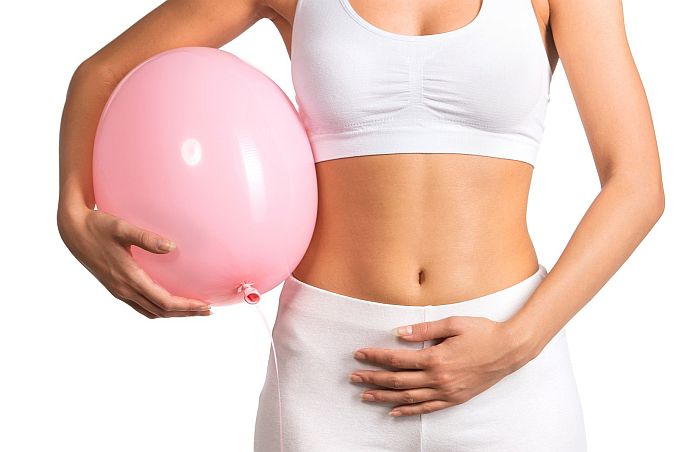
Deflating the Bloated Balloon
Abdominal bloating can be one the most distressing symptoms of endometriosis and is on a par with the severe pain that is caused by this disease. This bloating, or ‘Endo-belly’ as it is called can also cause severe pain and inflammation causing the stomach to be severely distended.
Our basic biology does not help matters . . . . a woman's colon, which is 10 centimetres longer than a man's, is constantly competing for space with the bladder, uterus, ovaries, and fallopian tubes. When endometriosis causes inflammation caused by adhesions and implants or having a flare then the bloating can be really distressing. The following advice may help you reduce your bloated belly.
1. Go for a walk
Physical activity can get the bowels moving more regularly, which can help to release excess gas and stool. Getting the bowels to move is especially important if you are feeling constipated. Try doing some gentle walking. Even walking around the house can help. Some more tips to help with constipation here.
2. Try yoga poses
Certain yoga poses can position the muscles in the abdomen in a way that encourages the release of excess gas from the GI tract. This can reduce bloating.
Child’s Pose, Happy Baby Pose, and squats can all help to relieve a build-up of gas quickly.
3. Use peppermint capsules
Peppermint oil capsules may also be helpful for indigestion and related gas. Peppermint works by relaxing the intestinal muscles, which allows gas and stool to move along more effectively. Anyone who is prone to heartburn may need to avoid peppermint.
4. Try gas relief capsules
Simethicone pills and liquid are anti-gas medications that can help to move excess air out of the digestive tract. It is essential to always take medication according to the doctor’s advice.
5. Try abdominal massage
Massaging the abdomen can help to get the bowels moving. A massage that follows the path of the large intestine is especially helpful. Follow the steps below to do this:
- Placing the hands just above the right hip bone.
- Rubbing in a circular motion with light pressure up toward the right side of the ribcage.
- Rubbing straight across the upper belly area toward the left rib cage.
- Moving slowly down toward the left hip bone.
- Repeating as necessary.
If the massage causes any pain, it is best to discontinue it immediately.
6. Take a warm bath, soaking, and relaxing
The heat of the bath can provide relief for a sore abdomen. Relaxation can reduce stress levels, which may allow the GI tract to function more effectively and help reduce bloating. Adding magnesium salts (Epsom salts) can help with muscle tension and can help relax the abdomen.

Long Term Help for Bloating
Food sensitivity – When dealing with endometriosis, food intolerances can be quite common but this is not an actual intolerance to certain foods but rather a knock-on effect from the damage caused by endometriosis.
Endometriosis affects the gut because endometrial-like tissue can grow directly on or near the bowels, trigger body-wide inflammation. Also the pelvic cavity has a dense network of nerves that are connected with the digestive tract. This close physical and chemical relationship leads to severe bloating, painful bowel movements, and digestive distress.
Trying an Elimination Diet for a short period will help to determine which actual foods are your triggers that set off symptoms of gut distress and bloating.
2. Eat mindfully- Chewing slowly and more intentionally reduces the amount of air you swallow in your food and, in turn, lessens belly bloat. Practice “mindful eating” by taking the time to be aware of what you are eating and what it tastes like. You can also take a sip of water in between bites.
Because stress can contribute to inflammation (yes, it really can), studies have shown that mindfulness may reduce digestive symptoms for some people with gut health issues.
3. Reduce Stress and anxiety - When in stress, we are on a flight or fight mode. This leads to poor digestion. Bloating is actually a very common symptom of anxiety, especially for those with anxiety attacks.
4. Be cautious of sugar alcohol - Sugar alcohols are a category of sweet carbohydrates. Since sugar alcohols are partially resistant to digestion, they act like dietary fibre. They’re also a type of FODMAP, which may cause stomach upset and bloating in some people.
Several sugar alcohols are found naturally in fruits and vegetables. However, most are processed from other sugars, such as from glucose in corn-starch. Sweetener found in sugar free foods and chewing gum. Examples of sugar alcohol are Xylitol, Mannitol, sorbitol. If you are sensitive, it can lead to bloating.
5. Eliminate Carbonated Drinks - most carbonated drinks come in the form of sugary drinks and these are inflammatory – both the gas and the sugar can make bloating worse.
6. Probiotics - To maintain a good gut health, we need good bacteria. Probiotics are live microorganisms that live in your digestive tract that provide health benefits primarily in the large intestine. Yogurt, Kimchi, Sauerkraut are good dietary source of probiotics.
7. Avoid getting constipated - Too little fibre, fluids, and physical activities can lead to constipation, which can result in bloating. Tips for managing constipation here
If you're eating a low-fiber diet, gradually bump up the fiber level, making sure you also drink plenty of fluids for better tolerance.
8. Make gradual changes to your diet especially fibre - Sudden changes in your diet can lead to bloating. So whenever you plan to make any changes in your diet, do it gradually!!
9. Notice if specific foods are causing symptoms - Make a food journal. Start eliminating what is causing the bloating-lactose, fructose, gluten, dairy etc. You will obviously benefit from reducing the amount of the suspected foods.
10. Limit Sodium - Highly processed foods tend to be high in sodium and low in fiber, both of which can contribute to that bloated feeling.
11. Other gut issues - As well as the bloating caused by endometriosis. Digestive and gut issues can also cause bloating like Leaky Gut, Inflammatory bowel disease and SIBO. It is a good idea to ask your doctor for tests to rule out any additional health issues.
You might like these
Personal Experience Self-Treating Endometriosis Cysts
The main driver for the development of endometriosis cysts is excess estrogen – here is one woman’s experience of using natural methods to stop them developing.
Endometriosis and the SIBO connection
Recent research shows that 92% of endometriosis patients with digestive issues test positive for SIBO which could be the cause of your endo belly
Endometriosis and Leaky Gut Syndrome
There appears to be a link between endometriosis and Leaky Gut Syndrome which has been found to affect 45% of women with the disease and Leaky Gut can compromise the immune system
Endometriosis Adhesions
A description of adhesions and how they are caused by the disease or by post operative scarring
Managing an endometriosis flare
Endometriosis commonly causes painful flares where symptoms become much worse. Here we look at some of the triggers and self-help measures you can use




Who is behind this site . . . .
Hi, I’m Carolyn Levett, an endometriosis author, mentor, Integrative Health Coach and fellow endo warrior.
Having experienced endometriosis myself, I found my way towards better health through nutrition, natural remedies and support. I’m the bestselling author of 'Recipes & Diet Advice for Endometriosis' and 'Endometriosis – Healing from the Inside Out', and hold qualifications in nutrition, naturopathy and women’s hormone health.
I know how isolating and overwhelming endometriosis can be, especially when you feel unheard or your symptoms aren’t taken seriously. My aim is to share the knowledge, practical advice and support I wish I’d had, helping other women feel more informed, empowered and able to manage their endometriosis more naturally.
You don’t have to navigate endometriosis alone.
 As featured in:

About Endo Blog Contact Disclaimer Site Map Privacy Policy
Carolyn Levett BA, NT Nutritional Therapist -
Promoting health and well-being through nutrition, diet and lifestyle changes
The material on this website is intended for educational information purposes only.
It should not substitute or delay medical advice, diagnosis or treatment.
Unauthorized use of content or parts of content is prohibited without a written permission by the author.
www.endo-resolved.com Copyright (C) - All rights reserved 2026