Fatigue and Endometriosis
The fact that you feel constant fatigue with endometriosis may be a good reason to be checking for any other health issues or nutrient deficiencies - there may be other causes for your fatigue
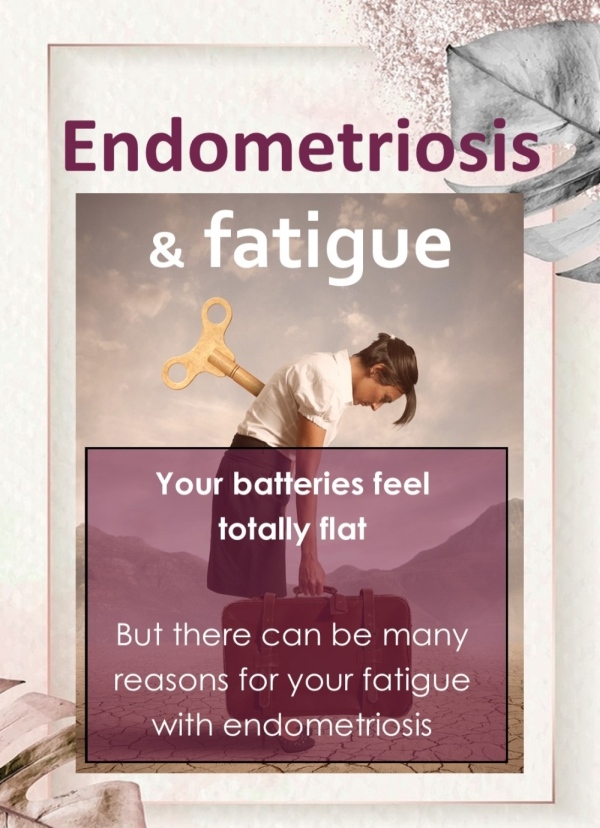
There can be many reasons why you feel fatigue with endometriosis. To start, just dealing with the pain and stress and sleepless nights is obviously going to drain you and leave you feeling utterly fatigued.
Endometriosis fatigue is a biological response to chronic inflammation.
The root cause of fatigue is related to the body dealing with endometriosis and is caused by inflammation.
The body constantly releases inflammatory mediators like IL-6, TNF-alpha, and prostaglandins, all of which directly impact energy levels and overall stamina. These chemicals affect the immune system, nervous system, and even the brain — leading to persistent fatigue, brain fog, and exhaustion that sleep cannot fix.
This is why so many women feel drained and exhausted even when others think they “don’t look sick.” This is why women are aften accused of attention seeking and their symptoms are dismissed.
Endometriosis fatigue is immune-driven and systemic. Recognising it validates women’s experiences and allows for proper and compassionate care.
Personal experience
I remember the awful draining, life-sapping fatigue I used to suffer with endometriosis and this was coupled with really bad weakness and I could hardly do anything in the least bit strenuous. I had to pace myself and even going for a very short walk was a stressful and exhausting experience – it was like swimming in treacle. It was totally demoralising. It was only when my health started to improve that my energy began to improve.
A look at Other Possible Causes for Feeling so Fatigued
FATIGUE AND POSSIBLE CAUSES
Below are some ideas of self help measures you can use and/or tests to have if you are exhausted all the time:
DIET: Eliminating gluten, dairy and sugar can help a lot with inflammation for those with endometriosis. Inflammation in the body can be very draining as the body is constantly trying to manage this inflammation.
There is a syndrome called gluten fatigue. Gluten fatigue is severe, lasting tiredness or low energy caused by eating gluten. It happens to people with Celiac Disease or non-celiac gluten sensitivity. The body reacts to the protein, leading to poor nutrient absorption, inflammation, or immune
Also: Blood sugar/glucose issues are common in many; this is something to consider if you get sleepy before/after meals. Blood sugar issues cause tiredness because your body cannot move glucose from your blood into your cells to use as fuel. With low blood sugars you suffer an energy crash. Your brain relies heavily on a steady stream of glucose; when levels drop too low, brain function slows down. Drops in blood sugar trigger emergency hormones like adrenaline, which jolt your system and leave you feeling shaky, weak, and exhausted afterward.
Also: Caffeine. Eliminate it if possible, it can mess with your HPA-axis (adrenals/cortisol). Same with alcohol, it can mess with your sleep cycle. While caffeine is a stimulant meant to boost alertness, it can backfire and cause fatigue through several biological mechanisms. Caffeine can temporarily lower insulin sensitivity and affect how your body processes glucose, leading to fatigue as blood sugar levels fluctuate.
THYROID: Are you suffering from hypothyroid? This can leave you feeling really weak and fatigued. You need to get tested for TSH, T4, T3 (the active hormone) and thyroid anti-bodies.
An underactive thyroid (hypothyroidism) occurs when your thyroid gland does not make enough hormones. This slows down your body's energy use and metabolism. Common signs include extreme tiredness, weight gain, feeling cold, dry skin, hair loss, muscle aches and weakness, constipation and depression.
Endometriosis does not directly cause hypothyroidism, but studies show a strong link between the two conditions. People with endometriosis have a higher chance of developing thyroid disorders like hypothyroidism and Hashimoto's disease.
ADRENALS: If they are not making enough cortisol, you will be tired. Or tired and wired. If your curve is off you may be tired during the day and awake at 3am. A 4-point saliva or urine test is needed to check your cortisol curve. It is easy to test for yourself by getting a 4-point saliva test from independent labs online if your doctor will not run this test.
Closely related to adrenals is LIFESTYLE and EXERCISE: Are you going to bed at the same time? Are you avoiding computers/screens before bedtime? Are you getting sunlight and exercise every day (even if it’s just a walk around the block a couple times a day)? However, too much exercise can tank your adrenals. Listen to your body.
VITAMIN D: Get both tests if you can - DO25 and D1,25. See note below about magnesium if you are supplementing with D. Low vitamin D has been linked to the severity of endometriosis.
Low vitamin D can make you tired. Persistent fatigue and low energy are among the most commonly reported signs of a deficiency, as the vitamin plays a vital role in muscle function, bone health, and overall cellular health. Low vitamin D can also cause depression and generally in a low mood.
When your vitamin D level is extremely low, you feel a deep, heavy exhaustion that sleep does not fix, alongside deep bone aches, weak muscles that make simple tasks like stairs hard. You may also suffer low back ache and brain fog with trouble focussing.
Supplementing Vitamin D - Vitamin D supplements typically take 4 to 8 weeks to improve fatigue, though some people notice a change by 3 weeks and others need 3 months or more.
MAGNESIUM: Magnesium Malate is very supportive for energy and women with endo can become depleted in magnesium due to stress. Magnesium malate supports energy by combining magnesium and malic acid. Both elements play key roles in cellular energy production (ATP) through the Krebs cycle, making it a popular daytime supplement to help reduce tiredness and muscle fatigue.
Most people take it in the morning or early afternoon because it tends to be energizing rather than sedating (unlike magnesium glycinate). Avoid taking magnesium malate at the same time as certain antibiotics, high-dose zinc or iron, and calcium supplements. Separate magnesium malate from these medications and minerals by two to four hours so your body can absorb them properly.
Also: If you are taking high doses of Vit D, up your magnesium intake. Vitamin D can deplete your magnesium stores.
IRON: Having low iron is common for those with endometriosis due to heavy blood loss. Tests need to include Ferritin, TIBC, and % saturation for a full picture. Iron deficiency can lead to fatigue. However, if you have inflammation (high ferritin *may* be an indicator of this), taking iron supplements is like throwing gasoline on a fire. Eating iron-rich foods, however, is strongly encouraged along with getting your inflammation down.
B12: Low vitamin B12 is a very common cause of fatigue. When your body lacks enough B12, it cannot make healthy red blood cells to carry oxygen effectively. This lack of oxygen leads to physical weakness and constant tiredness Get tested to see if you are deficient in this vitamin - supplement if needed with the correct type of B12. Some find it hard to absorb B12 and despite supplementing it can build up in your system without being absorbed. Taking a small dose of lithium orotate (OTC supplement, not prescription med) can aid in absorption.
Another way to help absorption is to take a sublingual spray form of vitamin B12 which you spray under they tongue.
SLEEP: As mentioned above, getting enough sleep is obviously going to weigh in to your energy levels. Sleep can be very difficult for those with endo due to pain keeping you awake. Try soaking in a bath with Epsom salts with essential oils to relax your muscles and help reduce pain. Many are having success with CBD for pain and to help with sleep. You will find LOTS of tips and advice to help with insomnia here.
OTHER ISSUES: Candida, SIBO (Small Intestinal Bacteria Overgrowth) and IBS (Irritable Bowel Syndrome), and other gut issues like endo-belly can all leave you drained and fatigued.
SIBO is especially an issue as it can reduce the absorption of vital nutrients and SIBO seems to be common for those with endometriosis. SIBO specifically causes fatigue. This exhaustion happens because excess bacteria interfere with nutrient absorption, trigger immune system inflammation, and disrupt normal metabolic processes in the body. An irritated gut lining lets bacterial byproducts enter the bloodstream, forcing your immune system to work overtime and drain your energy.
Tiredness linked to Candida often stems from related factors like gut disruption, low nutrient absorption, or an active immune response. Overgrowth can irritate your gut lining, lowering your body's ability to absorb vital energy-boosting minerals like magnesium and B vitamins.
To Sum Up
It's good idea to talk to your doctor and request having some tests done as mentioned above, just to ensure you are not dealing with additional health problems or nutrient deficiencies. I recently posted in my endo social media group about the importance of having optimal iron levels and one woman replied that after having her iron tested it showed she actually had no iron, so no wonder she felt so awful.
I know endometriosis itself causes a lot of fatigue and weakness. I experienced it myself and it was chronic and it was a daily battle to try and cope. For the sake of your overall health, learning if other things are going on is obviously going to help. It may be that you are not only dealing with endometriosis but have other thing going on that need to be fixed.
Nutrient deficiencies can make you feel profoundly unwell, ranging from nagging daily fatigue and brain fog to severe neurological issues, bone pain, and heart rhythm changes. Constant fatigue can commonly relate to low iron, vitamin B12, or vitamin D as mentioned above. Severe iron deficiencies lead to anaemia, breathlessness and dizziness.
Common problems of gut issues associated with endometriosis can cause issues of nutrient deficiencies due to low absorption, lack of appetite, suffering nausea and not feel like eating, fear of eating as it may cause endo belly or a flare . . . these are all issues that can affect how well you are feeding your body and getting the nutrients you need.
Read more about the importance of having good iron levels HERE
You might like these
Endometriosis and the SIBO connection
Recent research shows that 92% of endometriosis patients with digestive issues test positive for SIBO which could be the cause of your endo belly
Endometriosis and Leaky Gut Syndrome
There appears to be a link between endometriosis and Leaky Gut Syndrome which has been found to affect 45% of women with the disease and Leaky Gut can compromise the immune system
Endometriosis Adhesions
A description of adhesions and how they are caused by the disease or by post operative scarring
Managing an endometriosis flare
Endometriosis commonly causes painful flares where symptoms become much worse. Here we look at some of the triggers and self-help measures you can use
Tips on managing your fatigue with endometriosis
This endometriosis guest article has some helpful tips and advice on how to manage the fatigue that is so common for women with endometriosis




About the Author
Hi, I am Carolyn Levett, the Founder here at endo-resolved - I am an Integrative Health Coach having studied nutrition, naturopathy and aromatherapy as well as being a published author of three endometriosis books. I used to suffer from severe endometriosis and was fortunate to be able to regained my health and recover from this disease with the support of nutrition, natural therapies and lots of determination.
My motivation is to help other women with endometriosis to heal their bodies so they may start to overcome this awful disease without having to totally rely on toxic drugs and surgeries which can cause further damage - with healing thoughts, Carolyn.




About Endo Blog Contact Disclaimer Site Map Privacy Policy
Carolyn Levett BA, NT Nutritional Therapist -
Promoting health and well-being through nutrition, diet and lifestyle changes
The material on this website is intended for educational information purposes only.
It should not substitute or delay medical advice, diagnosis or treatment.
Unauthorized use of content or parts of content is prohibited without a written permission by the author.
www.endo-resolved.com Copyright (C) - All rights reserved 2026