Endometriosis Diet and Calcium Intake
Removing dairy from your diet to help reduce your symptoms of endometriosis is totally personal, and some woman may not have any issues when they include cheese, milk or other dairy foods in their diet. If you do a short-term Elimination diet you will be able to find out if dairy really is a problem for you. Keeping a food journal is another method of getting to grips to finding which foods are triggers that increase your symptoms.
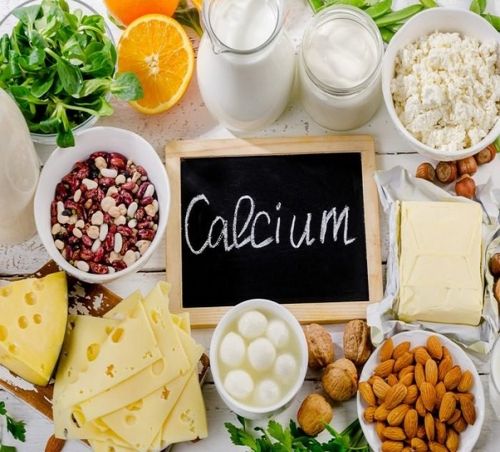
You may be concerned that your intake of calcium will be insufficient when changing your diet to help endometriosis by cutting out dairy products, but there are many foods that contain plenty of calcium which will provide for your dietary needs. This dietary shift not only encourages the exploration of interesting options of nutritious alternatives to fulfil dietary requirements but also helps to aid symptom relief.
The daily recommended intake of calcium (depending on age) is between 500mg and 1000mg. Obtaining your daily recommended calcium from foods, other than dairy, is not difficult. Eating one cup of baked beans, four spoons of tahini and five figs will give you over 500mg of calcium.
Recent Research
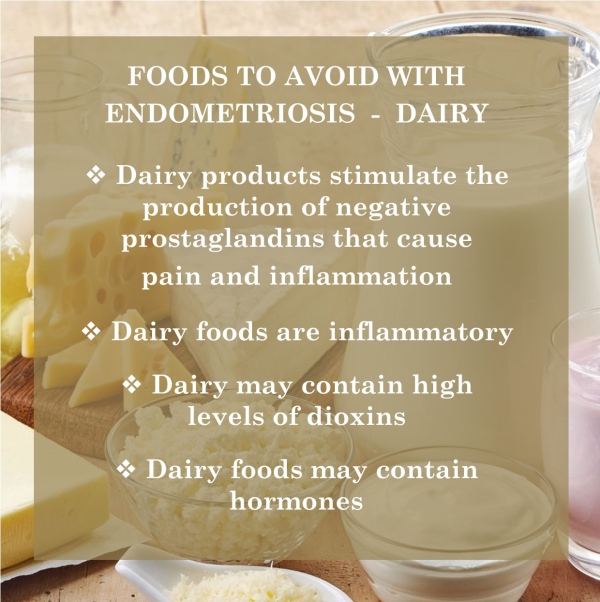
Recent research suggests a connection between dairy consumption and the severity of endometriosis symptoms. Studies indicate that individuals who regularly consume dairy products may experience increased inflammation, which can exacerbate the pain and discomfort associated with the condition.
Alternative Sources of Calcium Include:
- Dark green vegetables (i.e. spinach, broccoli, cabbage, bok choy, greens, beets, kale, mustard greens, artichokes, turnip green and broccoli are high in calcium)
- Canned salmon and canned sardines
- Sesame seeds – high calcium content - 1 tablespoon of sesame seeds provides 88mg
- Chia seeds - high calcium content - 2 tablespoons, of chia seeds provide 179 mg of calcium.
- Pinto beans, white beans
- Sweet potatoes
- Sunflower seeds - A single cup of sunflower seeds contains 109 mg calcium
- Orange juice
- Almonds
- Figs
- Seaweed
- Kale
- Tahini
Advice from Dr Marilyn Glenville regarding dairy and red meat and endometriosis
Eliminating these foods can improve endometriosis symptoms
‘Dairy and red meat contain ‘arachidonic acid’, which encourages the production of hormone-like substances called prostaglandins. The particular prostaglandin produced is highly inflammatory, and can cause swelling, pain and in some cases, thicken the blood itself. It can also trigger muscle contraction and constriction of the blood vessels, which can increase period pains, endometriosis-related cramps and the spread of endometrial tissue. The high saturated fat content of both dairy and red meat is also a factor in producing more oestrogen.’
‘You may be concerned that a diet low in dairy produce will be deficient in calcium, but don’t worry; there are many other equally good, and indeed better, sources of calcium in foods such as broccoli, green leafy vegetables, seafood, almonds, asparagus, oats and sesame seeds, to name just a few. Most decent vitamin and mineral supplements contain good levels of calcium and other important nutrients for your bones.’
Calcium Content of Certain Foods:
- 1 oz. of almonds provides 80 mg of calcium. You can make almond milk from almonds to add to cereal or use in baking. You can add other flavorings if desired like fruit for an added sweetness. Almond milk will keep in the fridge for several days.
- Among the veggies, turnip greens have the highest calcium source with 200 mg per cup. Bok choy has 160 mg and dandelion greens 140 mg per cup.
- Half a cup of cabbage provides the body with 190 mg of calcium. A cup of broccoli contains about 180 mg of calcium.
- Some fruits offering good calcium levels are figs, papaya and raisins. Oranges have the highest calcium content of any fruit with 52 mg of calcium in every half-cup.
- Fish such as sardines, salmon, oysters, trout, prawns, and tuna are all high in calcium. There is a calcium content of around 325 mg in 3 oz of sardines.
- Many different breads and grain all contain calcium as well as nuts, seeds and legumes
- Sesame seeds in particular are very high in calcium and are easy to add to your diet. They can be sprinkled over salads, added to casseroles, and cereals.
- Tahini, which is a paste made from sesame seeds is very high in calcium with 2 tablespoons providing 130 mg of calcium.
Understanding this relationship between dairy and inflammation can help women with endometriosis to make dietary choices that might alleviate their symptoms and enhance their overall well-being.
You might like these
Problems of hidden gluten with the endometriosis diet
Cutting out gluten to help with the symptoms endometriosis can be tricky as gluten can hide is surprising places
Endometriosis and phytoestrogens in your diet
Clarification of the role of phytoestrogens in your diet with endometriosis and how they can balance estrogen uptake and help your symptoms
Anti-inflammatory diet for endometriosis
An anti-inflammatory diet is the basis of the diet to help reduce the symptoms of pain, bloating and inflammation with endometriosis
Endometriosis - The Red Meat Debats
There seem to be varying points of view as to whether red meat should be omitted from the diet to help with endometriosis - a look at the pros and cons
Is Soy Bad for Endometriosis
Traditional soy foods eaten a few times a week can help to reduce endometriosis but modern soy based foods may cause numerous problems.

https://pmc.ncbi.nlm.nih.gov/articles/PMC8339299/
https://endoexcellencecenter.com/nutritional-insights-dairy-and-endometriosis-symptoms/
https://impact.ed.ac.uk/research/endometriosis-research-shows-changing-diet-may-help/
https://www.theendometriosisfoundation.org/diet-and-lifestyle

About the Author
Hi, I am Carolyn Levett, the Founder here at endo-resolved - I am an Integrative Health Coach having studied nutrition, naturopathy and aromatherapy as well as being a published author of three endometriosis books. I used to suffer from severe endometriosis and was fortunate to be able to regained my health and recover from this disease with the support of nutrition, natural therapies and lots of determination.
My motivation is to help other women with endometriosis to heal their bodies so they may start to overcome this awful disease without having to totally rely on toxic drugs and surgeries which can cause further damage - with healing thoughts, Carolyn.
 As featured in:


About Endo Blog Contact Disclaimer Site Map Privacy Policy
Carolyn Levett BA, NT Nutritional Therapist -
Promoting health and well-being through nutrition, diet and lifestyle changes
The material on this website is intended for educational information purposes only.
It should not substitute or delay medical advice, diagnosis or treatment.
Unauthorized use of content or parts of content is prohibited without a written permission by the author.
www.endo-resolved.com Copyright (C) - All rights reserved 2026