Amino acids and endometriosis

What are amino acids?
We normally get amino acids naturally in our diet, and particularly through the various animal sources of meat such as pork, chicken, beef etc. Problems may arise when following the diet for endometriosis and reducing the consumption of animal products like meat and dairy. This may lead to a reduction of essential amino acids in the diet, so taking supplements may be helpful.
What do amino acids do?
Amino acids build muscles, cause chemical reactions in the body, transport nutrients, prevent illness, and carry out other functions. The body needs 20 different amino acids to maintain good health and normal functioning
Amino acids are classified into three groups:
- Essential amino acids
- Non-essential amino acids
- Conditional amino acids

Essential amino acids
Essential amino acids cannot be made by the body. They must come from food. The 9 essential amino acids are: histidine, isoleucine, leucine, lysine, methionine, phenylalanine, threonine, tryptophan, and valine.
Non-essential amino acids
Non-essential means that our bodies produce an amino acid, even if we do not get it from the food we eat. Non-essential amino acids include: alanine, arginine, asparagine, aspartic acid, cysteine, glutamic acid, glutamine, glycine, proline, serine, and tyrosine.
Conditional amino acids
Conditional amino acids are usually not essential, except in times of illness and stress. Conditional amino acids include: arginine, cysteine, glutamine, tyrosine, glycine, ornithine, proline, and serine.
What do the amino acids do in the body?
Essential Amino Acids
Histidine - helps bone development and supports the immune system
Isoleucine - stimulates brain alertness
Leucine - stimulates protein production, helps produce energy and healthy brain function
Lysine - helps in the absorption of calcium
Methionine - helps lower cholesterol and has an important role in urinary tract health
Phenylalanine - performs the function of a pain reliever as it produces norepinephrine
Threonine - prevents fat build-up and elimination by assisting digestive tract function
Tryptophan - helps brain function in relieving headaches and aiding proper sleep patterns
Valine - promotes mental and nervous system function
Non-Essential Amino Acids
Alanine - serves as a muscle tissue building block and helps to metabolize sugar
Arginine - helps in tissue repair, wound healing and cell regeneration
Asparagine - works in the formation of proteins, muscles, neurotransmitters and antibodies
Aspartic acid - aids in the expulsion of toxins such as ammonia
Cysteine - works to protect cells from damage
Cystine - antioxidant that helps to slow down the aging process and is important to skin health
Glutamine - helps brain function and gives energy to the body
Glutamic acid - aids weight loss by decreasing cravings
Glycine - essential for a healthy immune system and cell development
Proline - essential for bone and circulatory health
Serine - helps the immune system and has numerous digestive benefits
Tyrosine - helps the nervous system and promotes memory, alertness and hormone release
The benefit of amino acid supplements depends on the specific acids contained in the product – and between them they have far reaching benefits for the entire body.
Certain amino's have calming benefits and can be helpful to aid sleep. Other amino acids can improve muscle tone and strength, while other amino's can assist with strength and cognitive performance.
For endometriosis, some of the beneficial amino acids would include Glycine to support the immune system, Arginine to aid wound healing, and Phenylalanine as it performs the function of assisting pain relief.
You might like these
Probiotics may help reduce endometriosis symptoms
Research has shown that particular strains of probiotics may help reduce certain symptoms of endometriosis
Does the endometriosis diet work
The endo diet seems to work for many and there are testimonials and scientific research that confirms diet changes help symptoms of endo
Vitamin D and endometriosis
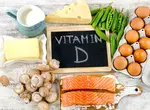
Low levels of vitamin D have been associated with the severity of endometriosis symptoms and supplementing can help with symptoms



Who is behind this site . . . .
Hi, I’m Carolyn Levett, an endometriosis author, mentor, Integrative Health Coach and fellow endo warrior.
Having experienced endometriosis myself, I found my way towards better health through nutrition, natural remedies and support. I’m the bestselling author of 'Recipes & Diet Advice for Endometriosis' and 'Endometriosis – Healing from the Inside Out', and hold qualifications in nutrition, naturopathy and women’s hormone health.
I know how isolating and overwhelming endometriosis can be, especially when you feel unheard or your symptoms aren’t taken seriously. My aim is to share the knowledge, practical advice and support I wish I’d had, helping other women feel more informed, empowered and able to manage their endometriosis more naturally.
You don’t have to navigate endometriosis alone.
Reference:
https://www.ncbi.nlm.nih.gov/pmc/articles/PMC5915433/
 As featured in:



About Endo Blog Contact Disclaimer Site Map Privacy Policy
Carolyn Levett BA, NT Nutritional Therapist -
Promoting health and well-being through nutrition, diet and lifestyle changes
The material on this website is intended for educational information purposes only.
It should not substitute or delay medical advice, diagnosis or treatment.
Unauthorized use of content or parts of content is prohibited without a written permission by the author.
www.endo-resolved.com Copyright (C) - All rights reserved 2026