Endometriosis & Vitamin D
The importance of Vitamin D and how it can relate to the severity of endometriosis as well as having an important link to other vital hormones
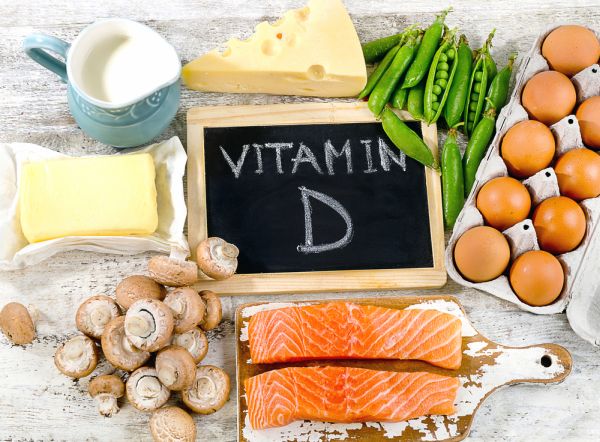
Vitamin D is a fat-soluble nutrient and hormone that your body makes when exposed to sunlight and absorbs from specific foods. It helps control calcium and phosphate levels to keep your bones, teeth, and muscles healthy while supporting your immune and nervous systems.
Recent studies have shown that women with endometriosis tend to have lower Vitamin D levels. Long term Vitamin D deficiencies have been linked to a weakened immune system and to chronic inflammation.
How does vitamin D help endometriosis?
Vitamin D may help endometriosis by reducing chronic inflammation, regulating the immune system, and potentially slowing the growth of misplaced endometrial tissue. It seems many women with endometriosis can have low vitamin D blood levels when tested, and correcting a deficiency can help ease pelvic pain and improve symptoms.
Vitamin D and Endometriosis Research
A 2026 systematic review published in the International Journal of Molecular Sciences examined seven randomized controlled trials investigating vitamins D, C, and E in women with endometriosis. The review found that high-dose vitamin D at 50,000 IU significantly reduced pelvic pain and improved inflammation and antioxidant markers, including hs-CRP and total antioxidant capacity.
How Vitamin D Works to Help with Inflammation
Lowers Inflammation - It suppresses inflammatory chemicals like prostaglandins and cytokines (such as IL-6 and IL-8) that fuel pelvic pain.
Calms the Immune System - It acts as an immunomodulator, helping control immune cells that otherwise allow lesions to grow.
Inhibits Cell Growth - It exhibits anti-proliferative effects, which may slow the spread and survival of ectopic endometrial cells
Vitamin D deficiency is related to chronic pain because it plays a vital role with your nervous system.
Vitamin D and Endometriosis Studies
In studies low levels of vitamin D were connected to the severity of endometriosis and also to those who had the largest ovarian endometrioma, or ovarian cysts. There was also a relationship found between vitamin D levels and cyst sizes. Women with the lowest levels had the largest cysts.
In one particular endometriosis study, rats treated with vitamin D showed reduced cyst size and reduced fibrosis production, but how well these benefits translate to people is yet to be seen. While further research is needed, it appears that Vitamin D deficiency could play a key role with endometriosis and could be connected to disease severity.
The best source of Vitamin D is direct sunlight on the skin with 10,000 to 20,000 IU of Vitamin D being produced in 30 minutes with whole-body exposure to sunlight. In the winter months with very low levels of sunlight, you are not going to be able to get any serious levels of Vitamin D, so it’s important, especially during this time to supplement.
Are you spending much of your time indoors due to endometriosis?
Obviously many women with endometriosis will be spending a lot of time inside due to dealing with the pain and symptoms of the disease and this can lead to low vitamin D levels. Low vitamin D levels can lead to fatigue, mood changes, nausea, and a weakened immune system. Vitamin D deficiency is very common, even for people who do not have to deal with chronic illness. It is good idea to get your levels checked which can be done with a simple blood test. You may need to supplement and get your levels back up.
Vitamin D and Hormones
There is a connection between vitamin D and important hormones, such as dopamine and serotonin, which can regulate your mood. This evidence is in part derived from an animal-based trial wherein it was found that vitamin D supplementation was capable of boosting dopamine levels in vitamin D deficient rats.
There is also evidence to suggest that vitamin D could be capable of influencing several different hormones in the body, from your thyroid hormones to sex hormones like estrogen and progesterone.
Vitamin D and Progesterone
How does Vitamin D and Progesterone work Together
Vitamin D helps support healthy hormone balance by interacting with the ovaries, which can improve how the body produces and responds to progesterone.
Having adequate levels of vitamin D can reduce issues linked to irregular cycles. Both vitamin D and progesterone work together to regulate immune cells and reduce inflammation, especially during early pregnancy.
Vitamin D does not directly enhance the physical absorption or uptake of progesterone in the body. Instead, research shows that both substances act as steroid hormones that work together to support cellular and immune pathways.
Foods high in vitamin D
Vitamin D oil is soluble, which means you need to eat with a high fat meal to aid absorption. Foods high in vitamin D include:
- Salmon
- Tuna fish
- Sardines
- Mackerel
- Trout
- Mushrooms exposed to sunlight
- Eggs
- Cod liver oil
Other Food Sources of Vitamin D
It is also found in fortified foods like cereals, orange juice and certain milk products. Vitamin D is also available as a dietary supplement, either alone or combined with other nutrients. Calcium supplements, for example, typically include vitamin D. The aid better utilisation of vitamin D supplements need to include vitamin K2 for proper synthesis. Vitamin D3 increases the amount of calcium your body absorbs from your food, while vitamin K2 activates specific proteins that direct that calcium into your bones and teeth instead of letting it build up in your soft tissues and arteries.
Whether vitamin D levels relates to the severity of endometriosis or not, having optimal levels of this vital vitamin will be of benefit to your health. As mentioned above, having low vitamin D can cause pain, make inflammation worse and have a detrimental effect on your immune system.
FAQ
Can lack of vitamin D cause hormonal imbalance?
Yes, vitamin D deficiency can contribute to hormonal imbalances. Vitamin D actually functions like a hormone in the body rather than just a simple nutrient. It interacts with receptors in endocrine tissues, influencing the regulation of reproductive hormones, insulin, and parathyroid function
Affected Systems and Hormones
- Reproductive Hormones: Low levels link to changes in estrogen and progesterone, which can impact menstrual regularity and fertility.
- Parathyroid Hormone (PTH): Deficiency drops calcium absorption, forcing the parathyroid glands to pump out more PTH to balance calcium.
- Insulin Regulation: Low vitamin D ties to higher insulin resistance, a factor in conditions like polycystic ovary syndrome (PCOS).
- Thyroid Function: Adequate vitamin D supports healthy thyroid hormone activity
What are the symptoms of low vitamin D
When your vitamin D level is extremely low, you feel profound physical exhaustion, deep bone and lower back aches, and severe muscle weakness. Many people also experience persistent low mood, brain fog, and frequent sickness due to a weakened immune system
What is the best way to take vitamin D
Take your vitamin D supplement with your largest meal of the day that includes healthy fats, like avocado, eggs, nuts, or olive oil, because it is a fat-soluble vitamin. Aim to take it in the morning or afternoon, as late-night doses can sometimes interfere with sleep.
What is the best form of vitamin D
Vitamin D3 is the most bioavailable form of Vitamin D that our body can absorb. You need to take Vitamin D3 with K2
Vitamin D3 and K2 work hand in hand for optimal calcium absorption and benefits. Secondly, K2 actually aids the processes that D3 are involved in – it ensures that the calcium that the Vitamin D makes available actually ends up in the right places.
What is the Dosage of Vitamin D?
Safe supplementation typically ranges from 2,000 IU to 5,000 IU daily, though high intermittent doses (such as 50,000 IU) have been studied in clinical settings for pain reduction.
Can become toxic if levels are too high?
It is also important to note that vitamin D is a fat-soluble vitamin. This means it does not flush out of your system with water like some other vitamins. It can store in your body and become toxic. Too much vitamin D can cause:
- Nausea
- Vomiting
- Muscle pain and weakness
- Loss of appetite
- Kidney issues from dehydration, excessive thirst, and urination
Can I get Vitamin D naturally?
To get vitamin D, you need some sunshine on your skin, be aware of the UV index and be sun safe!
Dietary sources like eggs, sardines & vitamin D exposed mushrooms do provide vitamin D BUT absorption is quite poor.
You might like these
Elimination diet to help endometriosis
Doing the elimination diet will really help you to discover your trigger foods that are causing your symptoms of pain and gut distress
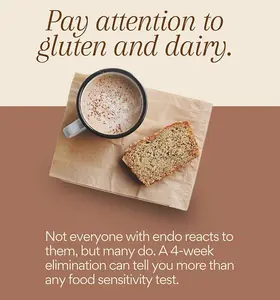
Why its advised to quit gluten and dairy
Diet changes can help reduce symptoms of endometriosis and removing dairy and gluten can help reduce inflammation, pain bloating and gut distress
Can going gluten free help endometriosis?
Although research is limited removing gluten from your diet may help reduce symptoms of bloating and inflammation with endometriosis
Problems of hidden gluten with the endometriosis diet
Cutting out gluten to help with the symptoms endometriosis can be tricky as gluten can hide is surprising places
Endometriosis and phytoestrogens in your diet
Clarification of the role of phytoestrogens in your diet with endometriosis and how they can balance estrogen uptake and help your symptoms





About the Author
Hi, I am Carolyn Levett, the Founder here at endo-resolved - I am an Integrative Health Coach having studied nutrition, naturopathy and aromatherapy as well as being a published author of three endometriosis books. I used to suffer from severe endometriosis and was fortunate to be able to regained my health and recover from this disease with the support of nutrition, natural therapies and lots of determination.
My motivation is to help other women with endometriosis to heal their bodies so they may start to overcome this awful disease without having to totally rely on toxic drugs and surgeries which can cause further damage - with healing thoughts, Carolyn.
References:
https://www.endonews.com/vitamin-d-and-endometriosis
https://www.ncbi.nlm.nih.gov/pmc/articles/PMC5189720/
https://www.ncbi.nlm.nih.gov/pmc/articles/PMC6122064/
https://pubmed.ncbi.nlm.nih.gov/31863346/
https://endometriosis.net/living/vitamin-d-levels
https://www.sciencedirect.com/science/article/pii/S2666571922000202
https://pubmed.ncbi.nlm.nih.gov/29762856/
https://www.news-medical.net/health/The-Role-of-Vitamin-D-in-Hormonal-Balance.aspx




About Endo Blog Contact Disclaimer Site Map Privacy Policy
Carolyn Levett BA, NT Nutritional Therapist -
Promoting health and well-being through nutrition, diet and lifestyle changes
The material on this website is intended for educational information purposes only.
It should not substitute or delay medical advice, diagnosis or treatment.
Unauthorized use of content or parts of content is prohibited without a written permission by the author.
www.endo-resolved.com Copyright (C) - All rights reserved 2026