Can Going Gluten Free Help Endometriosis?
In one endometriosis study 75% of participants reported a significant improvement in their symptoms after going gluten free for 12 months. Research is limited on this topic but the general feedback seems to reflect a favourable response when removing gluten to help symptoms of endometriosis
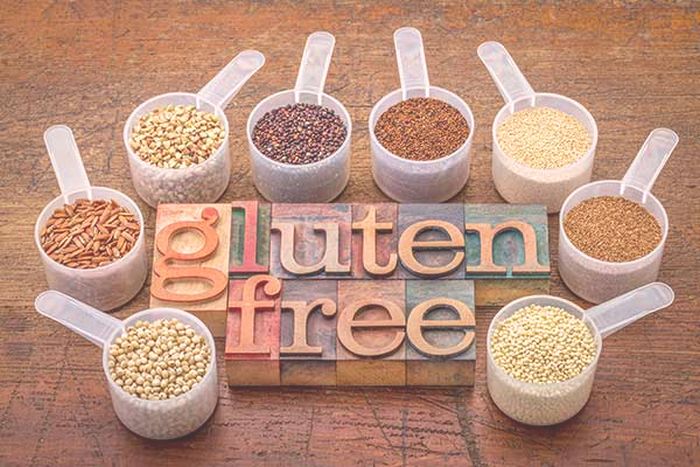
What is gluten?
Gluten is the general name for one of the proteins found in wheat, rye, and barley. It is the substance in flour that forms the structure of dough, the “glue” that holds the product together and is also the leavening ingredient.
Women who have endometriosis tend to have a lot of inflammation which in turn heightens pain, so the aim is to reduce the inflammation through diet.
'I went gluten free and it got rid of all the IBS type symptoms; it was a miracle the difference it made in my life. I never had any issue with gluten prior to my endo diagnosis.'
Gluten is one of those food substances that can increase inflammation and can also cause digestive issues including bloating and constipation, which many with endometriosis suffer from. So going gluten free can help to reduce this inflammatory reaction in the body and help to reduce the symptoms of endometriosis
Where is gluten found?
Food/grains:
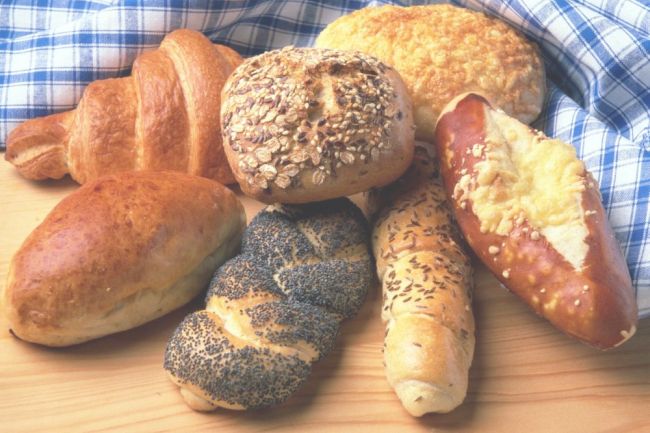
The grains containing gluten include wheat, rye, barley, and all their derivatives (see Table 1 for a listing of grains to be avoided). These grains are used in such items as breads, cereals, pasta, pizza, cakes, pies, and cookies and as added ingredients to many processed food items.
Gluten containing grains to avoid
- Barley
- Barley malt/extract
- Bran
- Bulgur
- Couscous
- Durum
- Faro
- Graham flour
- Kamut
- Matzo flour/meal
- Rye
- Semolina
- Spelt
- Wheat
- Wheat bran
- Wheat germ
- Wheat starch
Overlooked Sources of Gluten
In order to completely remove gluten from your diet, less obvious sources of gluten must also be identified and avoided.
- Ales Beer and Lagers
- Brown Rice Syrup
- Coating Mix
- Croutons
- Candy
- Luncheon Meats
- Pasta
- Sauces
- Soup Base
- Stuffing
- Self-basting Poultry
- Imitation Bacon/seafood
- Soy Sauce
- Marinades & Thickeners
- Herbal Supplements, vitamin and mineral supplements
There's quite a bit of evidence that diet can help reduce inflammation, and there are a few studies showing that certain foods/diets can help severe menstrual pain. For example, we know that a small study showed that 75% of endo sufferers had a decrease in endo pain after going gluten-free.
Be sure to read all labels carefully. If a product has questionable ingredients, avoid it. Remember wheat free, does not mean gluten free. Look for words "wheat, barley, rye, malt" on labels to identify if there is gluten present
Find out more about hidden sources of gluten HERE
What can you eat?
Gluten free grains including:
- Amaranth
- Arrowroot
- Buckwheat
- Corn
- Flours made from nuts, beans and seeds
- Millet
- Potato starch
- Potato flour
- Quinoa
- Rice
- Rice bran
- Sorghum
- Tapioca
- Teff
Buying GF Foods
As the demand for GF products increases, many grocery stores will begin to stock more products that are specifically gluten-free. Look in the Asian section for rice noodles and crackers. Check out the “organic” or “health food” section for GF pastas, flours, and baking products.
Speciality health food stores typically have GF foods in the frozen food section. One can select GF bagels, breads, or brown rice pizza crusts to defrost and warm at home.
Tips for Going Gluten Free
~ Swop out your current gluten containing ingredients and change them for gluten free options but be sure not to buy alternatives that are laden with additives, preservatives and especially watch out for soy
~ One of the hardest things to swop is gluten free bread as they are not always that tasty. However, you do not always have to use bread to make sandwiches. You can use gluten free pitta bread, tortilla wraps and rice crackers.
~ Many food producers now make gluten free pastas and you can use rice noodles instead of wheat based noodles
~ Aim for simple meals which are obviously gluten free, like white meats, fish, vegetables, fruits, pulses, nuts.
~ Check out the GF sections at your supermarket and local health store to see what they have to offer
~Always check your labels to ensure you are not getting any hidden gluten
~ Swop your Soy sauce for Tamari of Coconut Aminos (an alternative to soy)
~ Many supplement and vitamin manufacturers are aware of gluten and allergy issues so check you are buying from reliable sources
~ If you are going to eat out at a restaurant give them a ring first to check the do have gluten free options
FAQ
Does gluten make endometriosis worse?
Gluten is not universally bad for everyone with endometriosis, but many people report that cutting it out helps reduce pelvic pain and bloating. Clinical evidence is still limited and mostly based on observational data rather than large-scale trials, but the overlap between gut inflammation and pelvic discomfort makes diet a common management tool.
What is it in gluten that can affect symptoms of endometriosis?
Wheat products contain specific carbohydrates (FODMAPs) that can cause gas, cramping, and severe bloating—often called "endo-belly"—mimicking or aggravating gut distress
How does gluten affect endometriosis?
Eating gluten may increase pain and bloating for some people. This happens because gluten can trigger gut inflammation and worsen overlapping digestive issues like irritable bowel syndrome.
Is removing gluten more about being gluten sensitive?
Yes, you can experience gluten sensitivity alongside endometriosis, and many women report that avoiding gluten helps reduce their pelvic pain and bloating. While they are separate conditions, studies and patient surveys show a high overlap between endometriosis and gut sensitivities, including non-celiac gluten sensitivity and celiac disease.
What does the science say about gluten and endometriosis?
Medical reviews note that robust, controlled clinical trials proving gluten directly worsens endometriosis lesions are lacking. However, surveys and smaller studies show that a portion of patients (roughly 45% to 75% in specific cohorts) feel an improvement in pain or quality of life on a gluten-free diet
You might like these
Problems of hidden gluten with the endometriosis diet
Cutting out gluten to help with the symptoms endometriosis can be tricky as gluten can hide is surprising places
Endometriosis and phytoestrogens in your diet
Clarification of the role of phytoestrogens in your diet with endometriosis and how they can balance estrogen uptake and help your symptoms
Anti-inflammatory diet for endometriosis
An anti-inflammatory diet is the basis of the diet to help reduce the symptoms of pain, bloating and inflammation with endometriosis
Endometriosis - The Red Meat Debats
There seem to be varying points of view as to whether red meat should be omitted from the diet to help with endometriosis - a look at the pros and cons
Is Soy Bad for Endometriosis
Traditional soy foods eaten a few times a week can help to reduce endometriosis but modern soy based foods may cause numerous problems.

Reference:
https://integrativewomenshealthinstitute.com/gluten-and-endometriosis/
Marziali M, Capozzolo T. (2015) Role of gluten-free diet in the management of chronic pelvic pain of deep infiltrating endometriosis. J Minim Invasive Gynecol
Marziali M, Venza M, Lazzaro S, Lazzaro A, Micossi C, Stolfi VM. (2012) Gluten-free diet: a new strategy for management of painful endometriosis related symptoms? Minerva Chir
https://www.ncbi.nlm.nih.gov/pubmed/23334113 - endometriosis and gluten study
https://pmc.ncbi.nlm.nih.gov/articles/PMC10507348/
 As featured in:

About Endo Blog Contact Disclaimer Site Map Privacy Policy
Carolyn Levett BA, NT Nutritional Therapist -
Promoting health and well-being through nutrition, diet and lifestyle changes
The material on this website is intended for educational information purposes only.
It should not substitute or delay medical advice, diagnosis or treatment.
Unauthorized use of content or parts of content is prohibited without a written permission by the author.
www.endo-resolved.com Copyright (C) - All rights reserved 2026