Pain Medication for Endometriosis
There are various over-the-counter pain relief drugs that can be used for endometriosis. In some cases prescription drugs may be required if the pain is very severe.
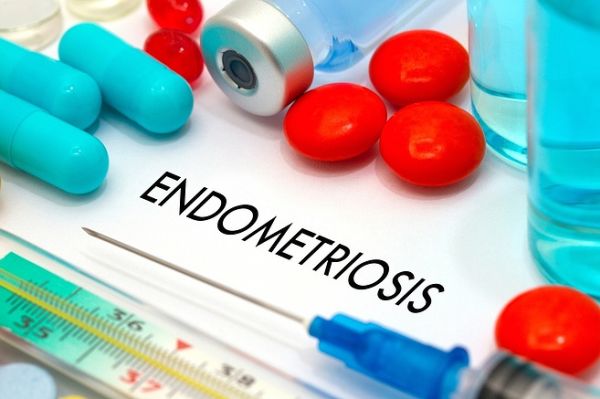
What are the main types of drug treatments?
These are the most drug treatment used to help reduce the pain of endometriosis. The first line of defense is over the counter pain medication. When the pain is too intense then prescription medication may be needed. However, even the prescription level of pain medications can prove insufficient to help with the pain for some women.
If pain medication proves to be insufficient to bring relief of symptoms then a more concerted drug treatment is implemented by using hormone drugs. The aim of hormone drugs is to alter the natural hormone patterns in the body to either initiate a pseudo-pregnancy or pseudo-menopause.
Painkillers: Simple over the counter analgesics and non-steroidal anti-inflammatory drugs (NSAIDs) like ibuprofen or naproxen reduce pain-causing chemicals.
Hormonal Contraceptives: Combined oral contraceptive pills, patches, or rings making periods lighter and less painful, often taken back-to-back to stop bleeding.
Progestogens: Tablets, injections (like Depo-Provera), or the Mirena intrauterine system (IUS) mimic pregnancy hormones to shrink and thin the endometrium.
GnRH Analogues & Antagonists: Injections, nasal sprays, or newer daily combination pills induce an artificial menopause to block estrogen and shrink lesions
Problems with Pain Killers
Women with endometriosis often find over-the-counter drugs to be ineffective, and they can also become less effective over time. It is not advised to take stronger prescription painkillers for too long as they can become addictive. This can cause issues of having to increase doses for them to have any effect.
It may be advisable to switch between different strengths of pain killers to suit different levels of pain. For instance, reserve the very strong ones when your pain is worse with your periods. You can combine taking pain meds with other self help measures like a heating pad or TENS machine.
What are the Side Effects of Pain Killers
It really is advised to be informed about any possible side affects caused by pain killers. Side effects are even possible with over the counter medications.
All painkillers can irritate the stomach-lining, causing nausea and sometimes leading to vomiting. However, vomiting can also be caused by the intense pain of endometriosis. It is quite common for painkillers cause constipation and maybe diarrhoea. Additionally, paracetamol can cause liver damage, especially when taken over long period of time which is why they are now only sold in small package sizes.
Over use of NAISD's like Ibuprofen and aspirin can lead to stomach ulcers and internal bleeding, kidney problems and cause damage to the heart, Opioids like codeine can be addictive and have a host of side effects like constipation, nausea/vomiting, drowsiness, dry mouth, itching and confusion.
Other Pain Management Medications
1. Pain medication for chronic pain that is safe on the stomach like NSAIDs
2. Nerve-related medication for central sensitization - Low-Dose Naltrexone, Amitriptyline
3. Limited use emergency medication for really bad days - Codeine, Toradol etc.
4. Other drugs used include anti-epileptic drugs - gabapentin and pregabalin, which work on the neurons to reduce pain signals. Note - these drugs should not be taken long term as addiction can quickly occur and you will need to wean off them if you take them for any period of time.
5. Anti-depressants - Although anti-depressants are produced to treat depression – they also help block neurotransmitters carrying messages of pain into the brain. Anti-depressants are often prescribed for the management of chronic pain. They may not work for everyone and can have side-effects.
NSAIDs in Detail
This class of drug will be the most common used by women with endometriosis as they are available for purchase over the counter.
NSAIDs are a class of drugs which are designed to relieve pain as well as reduce inflammation. These drugs may vary in degrees of analgesic versus anti-inflammatory activity. This means that one drug may have a great deal of anti-inflammatory properties but little in the way of pain reduction help; whereas another drug may primarily be a painkiller with little ability to reduce inflammation. They can be bought over-the-counter, though some stronger versions are only available on prescription.
NSAIDs stands for ‘Non-steroidal anti-inflammatory drug’, and are available under various trade names. As well as having some painkilling action they also work by inhibiting the production of prostaglandins in the body.
Prostaglandins are chemicals made by body tissues; they send messages to the womb causing it to shrink, and also cause the womb-walls to contract during periods or childbirth. They are also part of the body’s natural healing mechanism, as they go to the sites of injury and activate its pain receptors, causing inflammation. It is thought endometriosis sufferers have extra prostaglandins because these can be produced by endometriosis tissue.
To get the best relief from taking NSAID's . . . .
The idea behind NSAIDs is that if you introduce drugs which block prostaglandins, you will suffer less pain. They work best if they are taken early in the pain-cycle. For instance, if you know you usually experience pain on Day 21 of your cycle, it is a good idea to start taking them the previous day. This way you build up the pain blocking properties of the drugs.
Additional Pain Relief Options
- Vaginal suppositories for pelvic pain made of valium and gabapentin.
- Medicated Lidocaine Patches: Prescription local anesthetic plasters that can be placed on localized, persistent areas of deep pelvic or abdominal wall pain
- TENS machine for pain relief
- Castor oil packs
- Stool softeners to help reduce pain with bowel movements
- CBD oil and CBD vaginal suppositories
Pain Relief Pads
Pain relief pads for endometriosis include disposable self-heating adhesive patches, reusable electric heated belts, and combined TENS-and-heat wearable devices (like the Beurer EM50 or Medisana). These options relax cramping pelvic muscles and block pain signals to provide drug-free relief.
Opinions are mixed regarding large plug-in heating pads versus portable options: while large electric pads with extended timers are praised for heavy flare-ups at home, women note that smaller, wearable cordless heat or TENS devices are essential for working or moving around.
For more options and help for pain relief you will find more tips here
You might like these
Endometriosis and Natural Pain Relief
Endometriosis pain can be reduced with various dietary supplementst and Sulphur powder has excellent anti-inflammatory benefits
Endometriosis and Prostaglandins
Endometriosis and the relevance of prostaglandins which influence the pain and inflammation symptoms of endometriosis
What is the cause of endometriosis pain
What is causing your pain of endometriosis and how you can help reduce your pain
Endometriosis natural treatment articles
Many women are getting great results using natural remedies to help with their symptoms of endometriosis - find out more with this collection of articles
Endometriosis and your Treatment Options
Endometriosis treatment involves options depending on the severity of the disease, your medical history and whether you wish to have children


Reference:
https://www.endometriosis-uk.org/pain-relief-endometriosis
https://www.everydayhealth.com/hs/living-with-endometriosis/ways-to-relieve-endometriosis-pain/

About the Author
Hi, I am Carolyn Levett, the Founder here at endo-resolved - I am an Integrative Health Coach having studied nutrition, naturopathy and aromatherapy as well as being a published author of three endometriosis books. I used to suffer from severe endometriosis and was fortunate to be able to regained my health and recover from this disease with the support of nutrition, natural therapies and lots of determination.
My motivation is to help other women with endometriosis to heal their bodies so they may start to overcome this awful disease without having to totally rely on toxic drugs and surgeries which can cause further damage - with healing thoughts, Carolyn.
 As featured in:


About Endo Blog Contact Disclaimer Site Map Privacy Policy
Carolyn Levett BA, NT Nutritional Therapist -
Promoting health and well-being through nutrition, diet and lifestyle changes
The material on this website is intended for educational information purposes only.
It should not substitute or delay medical advice, diagnosis or treatment.
Unauthorized use of content or parts of content is prohibited without a written permission by the author.
www.endo-resolved.com Copyright (C) - All rights reserved 2026