Can I Eat Red Meat with Endometriosis?
Is it safe to eat red meat when you are dealing with inflammation caused by endometriosis? - there are many heated discussions on this topic
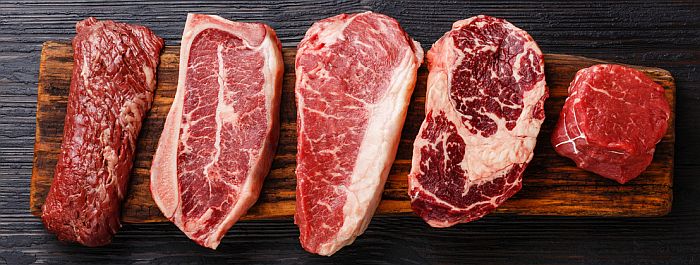
There seem to be varying points of view as to whether red meat should be omitted from the diet to help with endometriosis. There are always two sides to a story and some say that eating grass-fed red meat is OK with endometriosis, especially as those with endometriosis tend to suffer from low iron due to heavy periods.
However, there are numerous research articles that have found when women eat more red meat and processed meat, they tend to have a higher incidence of endometriosis. Additionally, there is powerful evidence and feedback from those with endometriosis, who say they feel so much better when they stop eating red meat.
There are various arguments to stopping red meat when dealing with endometriosis and inflammation which include:
- Red meat can increase negative prostaglandins which are responsible for muscle cramping, uterine cramping, pain signals and inflammation.
- Red meat may increase levels of estrogen
- Processed red meats are particularly harmful and commonly contains sodium, nitrates, phosphates and other food additives.
- Factory-farmed meats are high in certain endocrine disruptors and persistent organic pollutants (POPs).
- Cattle that are raised and fed as being grass-fed can still be given hay, haylage, silage and crop residue (which is open to speculation), so grass-fed cattle may not be as squeaky clean as promoted.
- Current commercial farming and manufacturing practices in non-organic red meat can be full of hormones including estrogen, antibiotics and unwanted chemicals.
- Grass-fed beef is no longer regulated by governments in most countries and fake grass-fed meat is now entering the market.
- On top of that, most of the grass-fed beef sold at Walmart (USA) and other major chains is imported from Australia, Uruguay or other countries, but may still be labelled product of the USA. This begs the question, how is meat from another country to be regulated? 75% to 80% of grass-fed beef sold in the U.S. comes from abroad, according to reports.
- Due to the increased cost of raising cattle as grass-fed, the price of the meat can be as much as 70% higher, which encourages the market to be flooded with fake grass-fed meat.
Red meat and Endometriosis Research
A prospective study covered by Contemporary OB/GYN indicates that women consuming more than two servings of red meat daily have a 56% higher risk of developing endometriosis compared to those eating one serving or less per week.
‘A total of 81,908 participants from the prospective Nurses’ Health Study II were followed from 1991 to 2013, for which diet was assessed every 4 years, based on a food-frequency questionnaire.
During the 22-year follow-up period, there were 3,800 reported cases of endometriosis confirmed by laparoscopy.
Women who consumed more than two servings of red meat per day had a 56% higher risk of endometriosis diagnosis (95% CI: 1.22 – 1.99) compared to those who consumed one or fewer red meat servings per week.
This connection was strongest for unprocessed red meats (odds ratio 1.57; 95% CI: 1.35 – 1.83 for more than two servings daily versus one or fewer servings per week).
In addition, women in the highest category of processed red meat intake had a higher risk of endometriosis diagnosis (odds ratio 1.20; 95% CI: 1.06 – 1.37 for five or more servings per week versus less than one serving a month).’
https://www.contemporaryobgyn.net/view/how-meat-consumption-impacts-endometriosis-risk
Quality of Meat is the Key
I think much of the research about endometriosis and red meat defines this food as bad without acknowledging the most important part - QUALITY
Of course, commercial red meat is likely to cause or contribute to inflammation, because they feed those cows corn and pump them with artificial hormones. Humans will react to whatever diet the animals are fed.
I have had regular feedback from women who say that eating organic grass-fed meat gives them no problems. Of course, this depends if you can:-
1 – source organic meat and 2 If you can afford the price of prime meat from organic farms.
The best way to source 100% organic, grass-fed meat in the U.S. is by buying directly from local regenerative farms or cooperatives, or ordering from verified domestic online butchers. It is a similar situation in the UK or the EU is to buy directly from specialized online farm-to-table butchers, independent local farm shops, or verified producers. In the UK look for dual certification from the Soil Association and the Pasture-Fed Livestock Association (PFLA) to guarantee absolute transparency.
Other Sources to Obtain Iron
Many with endometriosis tend to eat red meat due to suffering enema caused by heavy periods. There are other food sources of iron including: Cashew nuts, kidney beans, pumpkin seeds, sesame seeds, hemp seeds, oats, quinoa, spinach, dark chocolate, blackstrap molasses, lentils, chickpeas, and kale.
The foods with the highest iron content are sesame seeds, oats, cashews, lentils, hemp seeds - in that order.
Do not forget that you can also use an iron supplement and your doctor can advise on a product and which dose to use. The only problem with iron supplements is they can cause constipation but if you add magnesium to your diet (which you should anyway) then this can help to lessen the constipation problem.
How do you discover if red meat is a problem for you . . . .
The best way to discover if red meat is a problem for you which may be triggering your symptoms, is to do a short term elimination det. This involves stopping key foods that are known to cause digestive problems and then re-introduce them one by gradually. You will hopefully be able to eat white meat like chicken and turkey, as well as plenty of fish options. You will find a detailed breakdown of implementing an Elimination diet HERE
To Sum Up . . . . .
I think the conclusive evidence for anyone regarding red meat and endometriosis is how it affects you personally. Despite historical research that highlights the connection between endometriosis and diet, there are still advocates from various sources that reject any issues surrounding the consumption of red meat and how it affects symptoms. The view point of these reports tends to be rather biased often based on limited nutrition training.
These opinions obviously fly in the face of research but the general consensus is that commercial and processed red meat can cause problems. I am aware there are limited studies looking specifically into red meat as a problem for women with endometriosis. But research studies looking into diet for health reasons do not attract funding unlike research into drugs, which are usually funded by pharmaceutical companies – funny that!
Everybody is different and react differently to certain foods.
Ultimately, everyone is individual and eating red meat may not be an issue for you. However, there are loud voices out there in the endo community where women are saying they feel so much better when they stop eating red meat. Science or not - it's how women feel that is important.
The take-away to this advice – if you can guarantee that the meat you purchase is organic grass-fed beef AND it causes you no problems with worsening symptoms, then maybe you are lucky. You need to be feeding your body with nutritious food but you do not want to be feeding your endometriosis.
FAQ
What is the difference between organic and grass-fed
Organic vs. Grass-Fed: Note that "organic" ensures no synthetic chemicals, GMOs, or routine antibiotics are used, but it does not strictly mean 100% grass-fed (organic cows may still eat organic grains)
Where can I find grass-fed organic meat in the UK?
High-quality organic, 100% grass-fed meat in the UK can be ordered directly from specialized online organic farms and butchers or major retailers
Where can I find organic meat in the US
Visit local farmers markets to talk face-to-face with ranchers about their feed and grazing practices. Use directory tools like Eat Wild to locate small-scale, pasture-based farms nearby.
Can I eat pork with endometriosis?
Choose lean cuts like pork tenderloin instead of fatty cuts or processed meats. Avoid processed pork products like bacon, ham, and sausage.
Can I eat chicken with endometriosis?
Lean poultry like chicken is generally recommended as a healthy protein choice and a good alternative to red meat. Try to purchase organic free-range chicken
What are the drawbacks of commercial chicken?
Commercial chicken is often injected with a saltwater or broth solution—a practice known as "plumping" or "enhancing". This process adds water weight (typically 7% to 15%, but sometimes up to 30%) to the meat, which increases the final sale weight and boosts profits, though it also raises sodium levels and causes the chicken to shrink when cooked.
You might like these
Endometriosis and phytoestrogens in your diet
Clarification of the role of phytoestrogens in your diet with endometriosis and how they can balance estrogen uptake and help your symptoms
Endometriosis Diet Feedback
Positive feedback from women who have followed the guidelines for the endometriosis diet and the great results they have obtained
The Benefits of Dark Chocolate for Endometriosis
Dark chocolate has benefits for endometriosis as magnesium reduces menstrual cramps - you can make it yourself with this recipe with just 3 ingredients



About the Author
Hi, I am Carolyn Levett, the Founder here at endo-resolved - I am an Integrative Health Coach having studied nutrition, naturopathy and aromatherapy as well as being a published author of three endometriosis books. I used to suffer from severe endometriosis and was fortunate to be able to regained my health and recover from this disease with the support of nutrition, natural therapies and lots of determination.
My motivation is to help other women with endometriosis to heal their bodies so they may start to overcome this awful disease without having to totally rely on toxic drugs and surgeries which can cause further damage - with healing thoughts, Carolyn.
How meat consumption impacts endometriosis risk
https://www.contemporaryobgyn.net/view/how-meat-consumption-impacts-endometriosis-risk
A prospective cohort study of meat and fish consumption and endometriosis risk
https://www.ajog.org/article/S0002-9378(18)30444-7/abstract
Seeing red: diet and endometriosis risk
https://pmc.ncbi.nlm.nih.gov/articles/PMC6330594/
https://endometriosisnews.com/2018/06/26/higher-endometriosis-risk-linked-red-meat-study/
https://pubmed.ncbi.nlm.nih.gov/29870739/
https://academic.oup.com/humrep/article/19/8/1755/2356458
https://www.ncbi.nlm.nih.gov/pmc/articles/PMC3374872/


About Endo Blog Contact Disclaimer Site Map Privacy Policy
Carolyn Levett BA, NT Nutritional Therapist -
Promoting health and well-being through nutrition, diet and lifestyle changes
The material on this website is intended for educational information purposes only.
It should not substitute or delay medical advice, diagnosis or treatment.
Unauthorized use of content or parts of content is prohibited without a written permission by the author.
www.endo-resolved.com Copyright (C) - All rights reserved 2026