Is Soy Bad for Endometriosis?
There needs to be clarity as to which type of soy food can cause problems for those who suffer endometriosis. There are traditional soy foods like tempeh and soy sauce which are generally safe, but when soy is ultra-processed and turned into convenience foods or meat alternatives - this is when problems can arise.
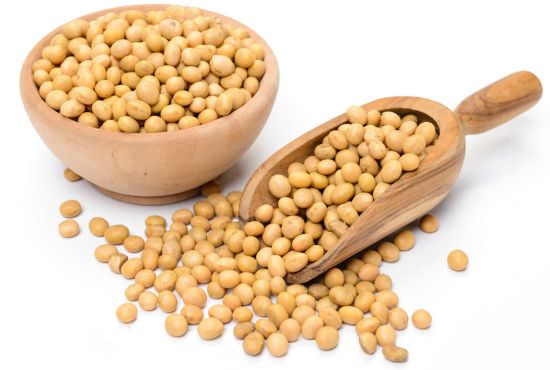
There seems to be contradictory advice in the endometriosis community regarding the safety of including soy in your diet. The relationship between soy and endometriosis is complex, with research showing mixed results. The confusion revolves around the fact that soy has phyto-estrogenic properties which means it’s a plant-based compound that mimics
estrogen.
As endometriosis is driven by estrogen, then women are concerned that adding more estrogen in form of phyto-estrogens will make their endometriosis worse.
It is now generally advised that having some phytoestrogens in your diet can be helpful because these particular estrogens can block your own estrogen receptors and stop the more powerful form of estrogen produced by your own body from entering these receptors. But this needs to be done in a balanced way and not to over do it.
If you consume too many phyto-estrogen rich foods, especially those that have very high levels like soy, then there is the possible danger of becoming estrogen dominant, As estrogen feeds endometriosis then this is obviously not an ideal situation.
Control Study of Soy and Endometriosis
Due to the connection between endometriosis and estrogens level it is possible that consumption of soy, or phytoestrogens in general, included in food could be connected with a higher risk of developing endometriosis. Consumption of soy is common in Japan and south-western Asia.
Therefore, a case-control study evaluating this relationship was conducted in Japan on a population of 138 women, among whom 79 were diagnosed with endometriosis. Significant correlation between higher level of isoflavones [genistein (p = 0.01) and daidzein (p = 0.007)] in the urine and occurrence of endometriosis was demonstrated in the group of women suffering from advanced endometriosis (stage III–IV), but not in the group of women with stage I–II endometriosis
Conclusion
The Tokyo-based epidemiological study found that higher urinary levels of soy isoflavones (genistein and daidzein) were linked to a lower risk and lesser severity of advanced endometriosis. The phyto-estrogens in soy may interact with estrogen receptor genes to modify and potentially lower the risk of developing the condition.
In a population with a modest intake of soy products, consistent with levels seen in other Western populations, soy intake is associated with a lower risk of laparoscopically confirmed endometriosis.
Soy Production Methods
The real problem surrounding the negatives of including soy in your diet with endometriosis is when eating convenience foods and meat alternatives that are nearly always made with soy protein isolate or textured soy protein. Just how are these ingredients made?
Making soy protein isolate involves four main chemical (and physicochemical) processes—solvent defatting, alkaline extraction, isoelectric acid precipitation, and neutralization—sandwiched between mechanical steps like cleaning, flaking, and spray drying. Sounds delicious!
The production method of making textured soy protein (TSP/TVP) involves a combined sequence of preparation, chemical/solvent extraction (optional), and thermo-mechanical texturization. Rather than counting discrete "chemical processes.
The negatives of eating foods that contain these ingredients is they have the potential to cause digestive discomfort, allergic reactions, they have anti-nutrient properties that lower mineral absorption, and ongoing scientific debates regarding hormone interactions and heavy processing.
However, hoping to rely on safer soy alternatives like tofu can still be a problem as so much soy that is grown in the US and in other countries is genetically modified. The solution is to look for organic tofu products and always check the labels for any unwanted additives.
Conventional, non-organic tofu made from genetically modified soybeans often contains trace residues of glyphosate. Because conventional soy crops are routinely treated with the herbicide, the chemical persists through processing. Choosing certified organic tofu or products explicitly labeled glyphosate-free prevents exposure, as organic standards prohibit using synthetic herbicide
It is worth noting that soy can have a very detrimental affect for those who have thyroid auto-immune Hashimoto's which can trigger a flare of the disease and increase thyroid anti-bodies. Also consuming soy can affect the absorption of thyroid medications.
Some of the problems with soy isolates include:
Soy isolates, or soy protein isolates, are a highly refined, plant-based protein powder made from defatted soybeans by removing most of the fats, sugars, and fiber
- Chemical solvents like hexane are often used to extract oil from soy flakes during isolation, leaving potential trace residues
- Soy beans contain very high levels of lectins. They interfere with enzymes like amylase, pepsin, and trypsin — needed for breaking down proteins and carbohydrates.
- High levels of omega 6 which can cause inflammation
- High levels of phytic acid in soy reduce assimilation of calcium, magnesium, copper, iron and zinc
- Soy foods contain high levels of aluminium which is toxic to the nervous system and the kidneys. This happens partly because soybean plants can absorb trace elements from the soil, but mostly due to industrial processing—such as acid-washing soy protein isolates in aluminum equipment or pressing tofu using metal vats.
- The various negative effects of soy weaken the immune system.
- Ninety one percent of the soy grown in the United States is genetically engineered and is regularly sprayed with pesticides – all of which are detrimental to health
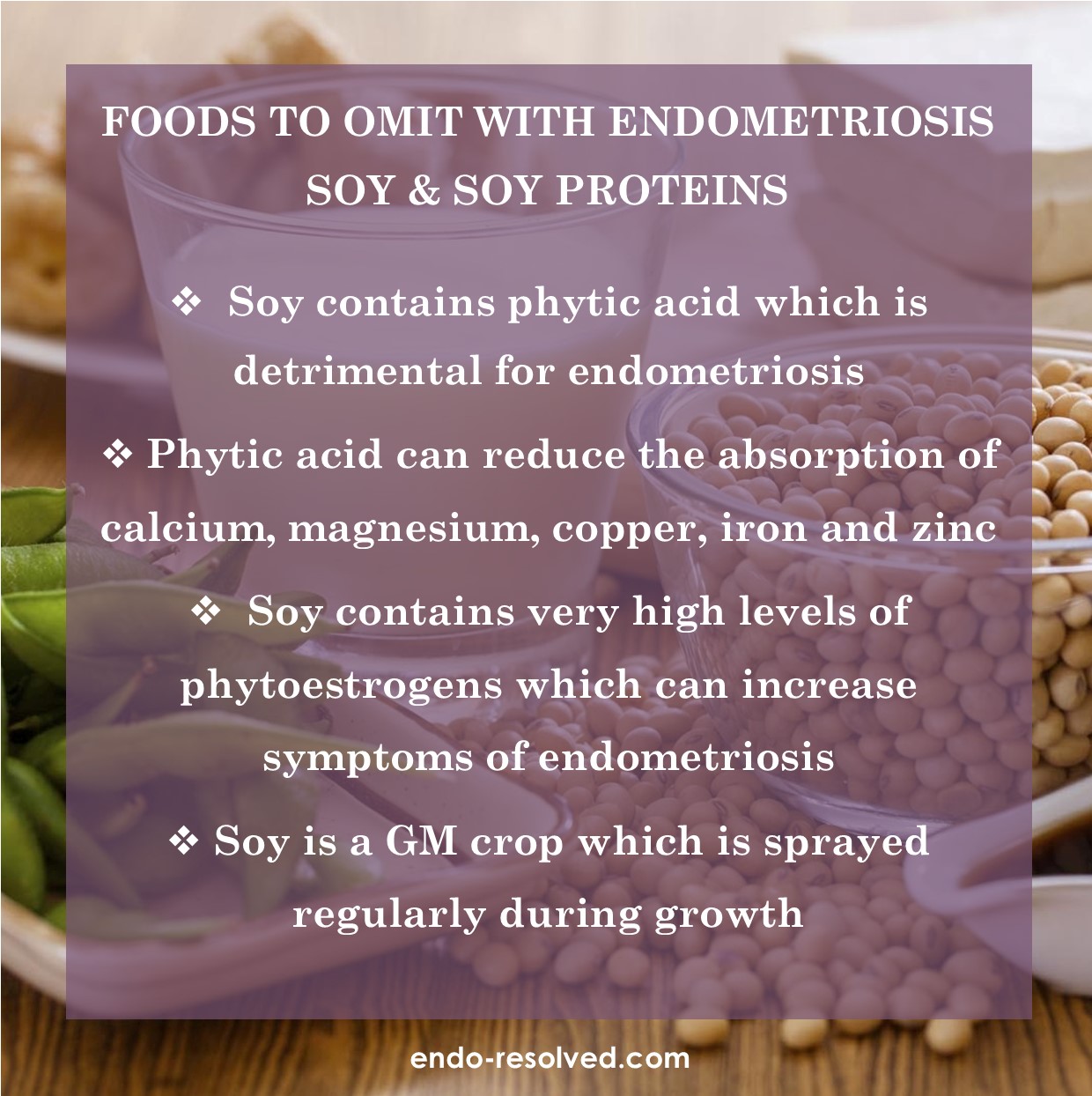
Many who change their diet to try and control endometriosis will sometimes be replacing the dairy and protein foods and substituting them with soy products. These can include soy milk, soy spreads, soy cheeses, soy-based burgers and substitute meats, and many other alternative soy products. You need to avoid all modern soy-based foods and food substitutes.
The only safe soy foods are those that come from eastern traditions of fermented foods like miso, tempeh and tamari. These foods are safe enough for most people, and for women with endometriosis their consumption needs to be kept to one or two portions a week.
FAQ
What foods are traditionally made using soy?
Traditional foods made using soy include edamame (young green soybeans), tofu, tempeh, miso, and soy sauce. These ingredients go back centuries in Asia.
Is soy safe to eat with endometriosis?
Eaten in modest amounts of one or two portions a week then soy as traditional foods is safe to eat with endometriosis. However, this needs to come from organic grown crops to ensure you are not consuming unwanted chemicals from sprayed crops.
Is there any soy grown in the US that is not geo-engineered
Very limited - U.S. Soybean Export Council shows that non-GMO varieties account for about 2% of total U.S. soybean production, spanning roughly 2.2 million planted acres.
What is tofu made from
Tofu is made from dried soybeans, water, and a coagulant (a-curdling agent). The process is very similar to making dairy cheese: ground soybeans are boiled into soy milk, a mineral salt or acid is added to separate the curds from the liquid, and those solid curds are pressed into blocks
Is tofu safe to eat with endometriosis?
Moderate amounts are said to be safe and can help to support a plant-based diet.
Can tofu cause gut health problems?
Tofu can cause mild gut problems like bloating, gas, or stomach cramps in some people. This happens because soybeans contain fermentable sugars called GOS (oligosaccharides - Undigested sugars pass to the large intestine where bacteria create gas.) that gut bacteria ferment, and softer types like silken tofu are higher in FODMAPs than firm varieties
Can I buy organic tofu in the US and Europe?
Yes, you can easily buy organic tofu across the United States and in Europe. It is widely available at major grocery chains, big-box stores, natural food markets, and discount grocers.
Is soy milk safe to use with endometriosis?
Yes, but some find the taste unpalatable - there are other options like oat milk or almond milk. Some people do have gut issues with soy milk
How is soy milk made?
Soy milk is made by soaking dried soybeans in water, grinding them into a smooth slurry, boiling the mixture to cook the beans and remove raw flavors, and straining out the solid pulp (okara) to leave a creamy plant-based liquid
Can soy milk trigger IBS?
Soy milk made from whole soybeans contains fermentable sugars like raffinose and stachyose. Bacteria in your gut ferment these sugars, which creates gas and bloating
Can soy milk cause gut health issues?
Yes, soy milk can cause gut health issues for some people, leading to bloating, gas, cramps, or diarrhea. These symptoms usually happen due to natural complex sugars (oligosaccharides) or a personal sensitivity to soy proteins.
Are there any additives in soy milk?
Commercial brands often add gums, oils, or emulsifiers that can irritate sensitive stomach
Feedback from women and their experiences with soy:
‘I had a very late diagnosis of endometriosis after having pain for 20 years. At the age of 46 I had a laparoscopy which confirmed endo and the surgeon used diathermy to burn a lot of the plaques off of my ovaries, fallopian tubes and uterus. Within 4 days of the surgery I began to have menopause symptoms. After trying HRT and suffering more endo symptoms I decided to stop using it.
I have been post-menopausal for 13 years. Fast forward to this January when I decided to use a Soya meal replacement diet. Within 3 months my previously dormant fibrocystic breast disease returned (diagnosed on a routine mammogram) and I now have pelvic pain which feels just like the endo which has been dormant through the last 12 years. I also managed to have a recurrence of hashimotos thyroid symptoms which had also been under control for the last 10 years.’
‘I was just reflecting on whether or not soy had triggered my Endo when I came upon this post. In my early 20s I took to having daily soy protein shakes to lose weight and while it did help with the weight loss my Endo symptoms truly began around this time. I have only recently started to learn about the links to soy and estrogen response and now I am almost certain that this was a major contributing factor to my Endo.’
‘Several years ago, a naturopath recommended that I switch to soy and avoid dairy. Within weeks I stopped ovulating and just bled for weeks without relief, I truly believe soy disrupted my hormones and created oestrogen excess – being a PCOS sufferer with mild Endo, I was already battling oestrogen dominance so switching to soy was the worst thing I could have done.’
To summarise if Soy is a Problem with Endometriosis
Traditional fermented soy foods (like tempeh, miso, and soy sauce) provide potential health benefits, including anti-estrogenic effects that may reduce estrogen dominance and support symptom relief.
Non-organic soy products (like cheap soy milk, soy cheeses, and soy protein isolate found in convenience foods) can block vital nutrient absorption, can cause digestive issues, and usually have herbicide residues. These may worsen endometriosis and contribute to worse symptoms.
On the whole soy tends not to be a major part of the Western diet unless you are vegetarian, but for those who wish to use soy, then including tradition organic products will not be a problem.
To help you understand which specific foods cause problems for you, keeping a food journal of all your dietary intake can help you to track which foods are a problem and you can adjust your diet accordingly.
You may have no issues with limited amounts of soy in your diet, but tracking closely what you eat will give you vital clues and this will help to reduce your symptoms.
You might like these
Probiotics may help reduce endometriosis symptoms
Research has shown that particular strains of probiotics may help reduce certain symptoms of endometriosis
Does the endometriosis diet work
The endo diet seems to work for many and there are testimonials and scientific research that confirms diet changes help symptoms of endo
Vitamin D and endometriosis
Low levels of vitamin D have been associated with the severity of endometriosis symptoms and supplementing can help with symptoms
Elimination diet to help endometriosis
Doing the elimination diet will really help you to discover your trigger foods that are causing your symptoms of pain and gut distress
Why its advised to quit gluten and dairy
Diet changes can help reduce symptoms of endometriosis and removing dairy and gluten can help reduce inflammation, pain bloating and gut distress


Who is behind this site . . . .
Hi, I’m Carolyn Levett, an endometriosis author, mentor, Integrative Health Coach and fellow endo warrior.
Having experienced endometriosis myself, I found my way towards better health through nutrition, natural remedies and support. I’m the bestselling author of 'Recipes & Diet Advice for Endometriosis' and 'Endometriosis – Healing from the Inside Out', and hold qualifications in nutrition, naturopathy and women’s hormone health.
I know how isolating and overwhelming endometriosis can be, especially when you feel unheard or your symptoms aren’t taken seriously. My aim is to share the knowledge, practical advice and support I wish I’d had, helping other women feel more informed, empowered and able to manage their endometriosis more naturally.
You don’t have to navigate endometriosis alone.
Reference:
https://www.liebertpub.com/doi/abs/10.1089/jmf.2018.0160
https://www.endofound.org/10-foods-endo-women-should-avoid
https://www.jstor.org/stable/20486384?seq=1#page_scan_tab_contents
https://pubmed.ncbi.nlm.nih.gov/17474167/
https://www.sciencedirect.com/science/article/pii/S0022316622071917
https://nihtek.com/concerns-of-soy-protein/
Zhong XS, et al. Association between Dietary Isoflavones in Soy and Legumes and Endometrial Cancer: A Systematic Review and Meta-Analysis. J Acad Nutr Diet. 2018;118(4):637-651.
suchiya M, et al. Effect of soy isoflavones on endometriosis: interaction with estrogen receptor 2 gene polymorphism. Epidemiology. 2007;18(3):402-408. https://www.ncbi.nlm.nih.gov/pubmed/17474167. Accessed February 9, 2020.
Upson K, et al. Soy-based infant formula feeding and menstrual pain in a cohort of women aged 23-35 years. Hum Reprod. 2019;34(2):148-154. https://www.ncbi.nlm.nih.gov/pubmed/30412246. Accessed February 9, 2020.
Mvondo MA. Soy Intake Since the Prepubertal Age May Contribute to the Pathogenesis of Endometriosis in Adulthood. Journal of Medicinal Food. 2019;22(6). https://www.liebertpub.com/doi/full/10.1089/jmf.2018.0160. Accessed February 9, 2020
Tsuchiya, M., Miura, T., Hanaoka, T., Iwasaki, M., Sasaki, H., Tanaka, T., … Tsugane, S. (2007). Effect of Soy Isoflavones on Endometriosis. Epidemiology, 18(3), 402–408. doi:10.1097/01.ede.0000257571.01358.f9
Mumford, S. L., Weck, J., Kannan, K., & Buck Louis, G. M. (2017). Urinary Phytoestrogen Concentrations Are Not Associated with Incident Endometriosis in Premenopausal Women. The Journal of nutrition, 147(2), 227–234. doi:10.3945/jn.116.238840
 As featured in:


About Endo Blog Contact Disclaimer Site Map Privacy Policy
Carolyn Levett BA, NT Nutritional Therapist -
Promoting health and well-being through nutrition, diet and lifestyle changes
The material on this website is intended for educational information purposes only.
It should not substitute or delay medical advice, diagnosis or treatment.
Unauthorized use of content or parts of content is prohibited without a written permission by the author.
www.endo-resolved.com Copyright (C) - All rights reserved 2026