Polycystic Ovarian Syndrome and Endometriosis
Endometriosis and Polycystic Ovary Syndrome (PCOS) are two chronic reproductive conditions that feature distinct hormonal causes with overlapping symptoms and can sometimes occur together.
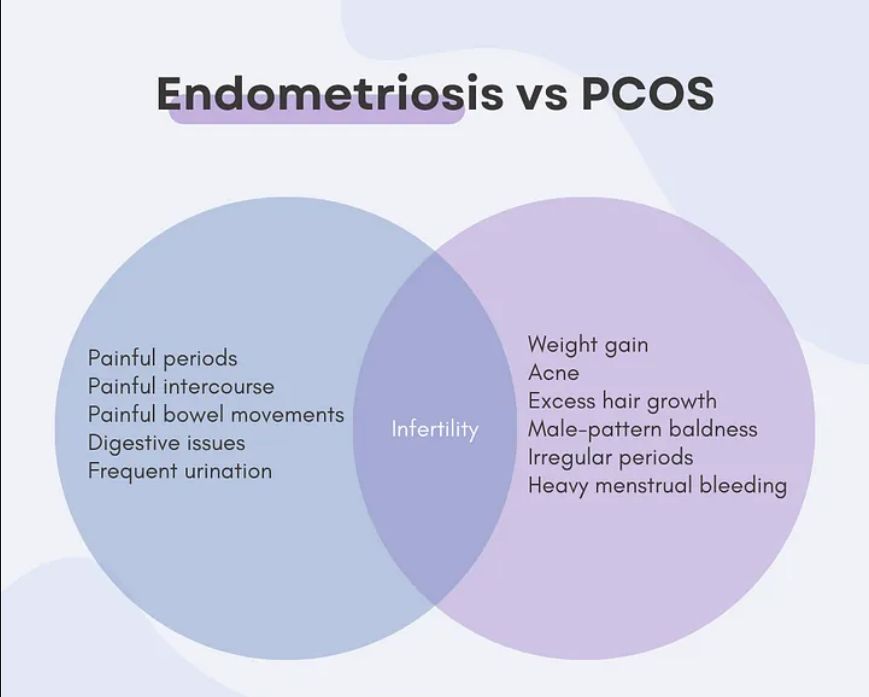
Update - polycystic ovary syndrome (PCOS) has been officially renamed to polyendocrine metabolic ovarian syndrome (PMOS). The new name highlights that the condition involves multiple hormone and metabolic systems rather than just the ovaries. For simplicity this article will refer to the syndrome as PCOS
While the key causes of endometriosis and PCOS are different, it is unfortunately possible to suffer from both conditions at the same time. A study done in 2015 suggested that individuals with PCOS are more likely to suffer from endometriosis. Research has reported the 74% of women with PCOS experiencing chronic or cyclic pelvic pain also have endometriosis lesions.
What is PCOS
Polycystic ovarian syndrome affects up to 20 per cent of women of reproductive age, and it is the leading cause of infertility in women. PCOS is a syndrome that involves a group of symptoms that affect the ovaries and ovulation, including polycystic ovaries, irregular menstrual cycles and higher levels of androgens (testosterone, DHEA).
In PCOS, there are many follicles (rather than cysts) inside the ovaries. These follicles contain an immature egg that has not matured enough to trigger ovulation. This lack of ovulation impacts on the levels of hormones in the body, where estrogen and progesterone are lower, and androgens such as testosterone are higher. These hormone imbalances disrupt the menstrual cycle, causing women to experience irregular or infrequent periods.
How do I know if I have PCOS?
Women who are diagnosed with PCOS may experience an assortment of symptoms, and each presentation may be different. The various symptoms of PCOS include:
• Irregular periods
• Infrequent or absent periods
• Heavy periods or light periods
• Long periods
• Multiple follicles on the ovaries during an ultrasound
• Excess hair (hirsutism)
• Scalp hair loss
• Acne
• Weight gain
• Darkened skin patches e.g. armpits
• Fertility difficulties
• Mood changes such as anxiety and depression
• Insulin resistance
• Headaches
• Sleep apnoea
Research shows that dietary and lifestyle changes can create significant improvements in the symptoms of PCOS. Here are recommendations regarding diet changes, exercise and supplements that can help with PCOS.
Diet changes
Eat low GI and low GL foods
Studies shows that foods with a low glycaemic index and a low glycaemic load can help regulate the menstrual cycle and manage weight. Many women with PCOS experience blood sugar hormone imbalances, including elevated insulin levels, which over time can lead to insulin resistance, diabetes, weight gain and obesity.
Limit sugar and processed foods
Sugar and processed foods (especially those containing sugar) wreak havoc women’s hormones, especially if you have PCOS. They can set you on a blood sugar rollercoaster, as your insulin spikes and plummets throughout the day. If you notice yourself craving for muffins, coffee and sweets, this is a sure sign that insulin is not balanced.
Consider a low carbohydrate, ketogenic diet
Research has shown positive outcomes of a low carbohydrate, ketogenic diet for women with PCOS. Ketogenic diets are high in good fats such as Extra Virgin Olive oil, Macadamia Oil, Coconut Oil, Grass Fed Butter or Ghee, Nuts and seeds, and Krill Oil supplement or Fish Oil.
Moderate protein diets and involve a reduction in carbohydrates (usually to less than 50 g/day).
This limited carb intake and sugar deprivation will switch your body from using glucose for energy to running on fat. For instance, rather than cereal, start your day high in fat and protein with poached eggs, avocado and greens for a keto-friendly breakfast.
Reduce inflammatory foods
Chronic low-grade inflammation has been linked to PCOS and insulin resistance, where dietary triggers such as glucose cause an inflammatory response in the tissues. Each woman with PCOS is different, with individual food sensitivities, however common inflammatory foods include gluten, cow’s dairy and sugar and Gluten.
Eat more omega-3 fats
Research shows omega-3 fats in fish, nuts and supplements improve insulin sensitivity in women with PCOS, significantly decrease glucose, insulin, and insulin resistance, normalise sex hormones, improve hirsutism (excess body hair), and lower inflammation.
Fatty fish like tuna, sardines, salmon, herring and mackerel are high in omega-3. Both walnuts and almonds have also been found to be beneficial in reducing androgen levels in women with PCOS.
Eat more fibre
Fibre is essential in women with PCOS as it helps control insulin levels and prevents insulin resistance, as well as reduce inflammation. Aim for at least 30-40g of fibre per day, with some fibre at each meal and snack.
Nutritious fibre options for women with PCOS include dark leafy greens, cruciferous vegetables such as broccoli, Brussels sprouts and cauliflower, and seeds such as pumpkin seeds, sunflower seeds etc
Supplements
Supplements may to help with hormone regulation, insulin resistance, and inflammation associated with PCOS.
Inositol
Inositol is a B vitamin that can help improve insulin resistance. It’s also been found to help with fertility in some cases of PCOS.
Chromium
Chromium supplements may improve your body mass index, which can help with PCOS. They may also stabilize insulin resistance by helping your body metabolize sugar.
Cinnamon
Cinnamon comes from the bark of cinnamon trees. Cinnamon extract has shown to have a positive effect on insulin resistance. Cinnamon also may also regulate menstruation for women with PCOS.
Berberine
Berberine is an herb used in Chinese medicine to help with insulin resistance. If you have PCOS, berberine may ramp up your metabolism and balance your body’s endocrine responses.
Exercise
Exercise more
Exercise is proven to lower blood sugar, prevent insulin resistance, aid in weight loss and building fat-burning muscle. More exercise sessions per week is better for women with PCOS, and helps regulate menstrual cycles, restore ovulation and improve insulin sensitivity. Consider walking, cycling and swimming
Lift more weights – if you able!
Resistance training has been shown to improve ovulation, reduce insulin resistance and aid in weight loss. Strength training increases muscle, reduces abdominal fat and can enhance the ability of muscles to manage glucose. Consider body weight exercises such as squats and push-ups, weights-based exercises and Pilates.
Try yoga and meditation
PCOS can be triggered or worsened due to stress, especially in women with absent and infrequent periods. Mind-body and relaxation practices such as yoga, meditation and mindfulness have been shown to reduce the impact of stress.
Studies show a one-hour daily practice of yoga and meditation improved blood sugar and insulin sensitivity, improved sex hormone ratios, regulated menstrual cycles and decreased hirsutism.
https://pmc.ncbi.nlm.nih.gov/articles/PMC10472311/
https://www.mariongluckclinic.com/blog/can-you-have-pcos-and-endometriosis.html
https://pubmed.ncbi.nlm.nih.gov/37663310/
https://www.endometriosiswa.org.au/endometriosis-and-polycystic-ovary-syndrome-pcos/
You might like these
Endometriosis and Adhesions
Adhesions with endometriosis are due to surgical scarring and endometrial lesions – this article looks a new surgical techniques and post operative self-care
Intestinal Endometriosis
Intestinal Endometriosis and the symptoms and treatment available which usually involves specialist surgery
Endometriosis stages and how they are measured
Endometriosis is measured in four stages of the disease and helps to give a medical guideline of how far the disease has developed


 As featured in:

About Endo Blog Contact Disclaimer Site Map Privacy Policy
Carolyn Levett BA, NT Nutritional Therapist -
Promoting health and well-being through nutrition, diet and lifestyle changes
The material on this website is intended for educational information purposes only.
It should not substitute or delay medical advice, diagnosis or treatment.
Unauthorized use of content or parts of content is prohibited without a written permission by the author.
www.endo-resolved.com Copyright (C) - All rights reserved 2026