PART TWO - Natural Treatments for Endometriosis:
Diet, Supplements & Self-care
OTHER NATURAL SUPPLEMENTS WORTH CONSIDERING
There are several other supplements frequently recommended for endometriosis. However, some have considerably less clinical evidence but feedback from other women is favourable.
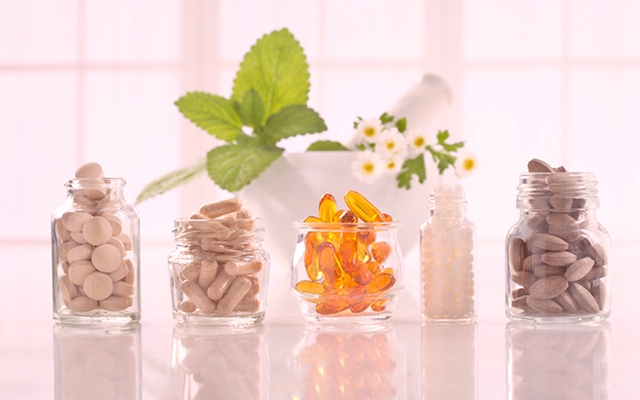
Curcumin and Turmeric
Curcumin is the active compound found in turmeric.
Laboratory studies suggest that it may influence inflammation, oxidative stress and other processes involved in endometriosis. However, human research has been less conclusive.
A 2024 randomised, triple-blind trial involving 68 women found no significant improvement in pain or quality of life after eight weeks of curcumin supplementation compared with placebo.
My thoughts: Including turmeric in your cooking is perfectly reasonable, but I wouldn't currently prioritise curcumin supplements as an endometriosis treatment. High-dose curcumin products can interact with medication and may not be suitable for everyone.
Probiotics and Gut Health
The relationship between gut health and endometriosis is an increasingly interesting area of research.
The gut microbiome is the community of bacteria and other micro-organisms living in your digestive system. Researchers are investigating whether particular bacteria influence estrogen metabolism, immune function, inflammation and pain.
Some small human studies have reported improvements in menstrual pain following the use of specific probiotic strains. However, the research is still at an early stage, and we don't yet know which probiotic strains, if any, are most beneficial for women with endometriosis.
My thoughts: I would start by supporting your gut health through a varied, fibre-rich diet, rather than assuming that taking a probiotic will improve endometriosis. If you have persistent digestive symptoms, it is worth investigating whether IBS or another digestive condition may also be contributing.
Magnesium
Magnesium is involved in normal muscle contraction, nerve signalling and many other processes in the body. It is often recommended for menstrual cramps and muscle tension, but there is very little good-quality research specifically investigating oral magnesium supplements for endometriosis.
My thoughts: Make sure your diet contains magnesium-rich foods such as pumpkin seeds, almonds, spinach, beans and whole grains. Magnesium may be worth considering if your intake is inadequate, but it should not be regarded as a proven treatment for endometriosis pain.
NATURAL THERAPIES FOR ENDOMETRIOSIS PAIN
Not all natural approaches involve taking supplements. Some complementary therapies may help women manage pain, muscle tension and the wider impact of living with endometriosis.
Acupuncture
Acupuncture has been investigated in several clinical studies involving women with endometriosis.
A systematic review published in 2025 found evidence suggesting that acupuncture may help reduce endometriosis-related pain. However, studies have used different techniques and treatment schedules, and it remains difficult to establish how much of the improvement is specifically due to acupuncture.
My thoughts: If you find acupuncture helpful, it may be a reasonable complementary approach to pain management. It should not be considered a treatment for removing endometriosis lesions. Choose a suitably qualified practitioner.
Gentle exercise and movement
Exercise is not a cure for endometriosis, but regular movement can support general health and wellbeing. Some women find that gentle activities help with stiffness, fatigue, stress and pain management.
You could try:
- Walking.
- Swimming.
- Gentle yoga.
- Pilates.
- Stretching.
- Light resistance exercise.
There is no need to push through pain or follow a demanding exercise programme. If you experience pelvic floor tension or painful muscle spasms, a specialist pelvic health physiotherapist may also be helpful.
Can natural treatments be used alongside medical treatment?
Absolutely. Natural approaches and conventional medical treatment do not have to be mutually exclusive. In fact, I believe that looking at nutrition and lifestyle alongside appropriate medical care can be a useful way of supporting your overall health.
For example:
- Hormonal treatments may help control symptoms and menstrual activity.
- Surgery may be appropriate for removing endometriosis lesions in selected circumstances.
- Pain medication can help manage pain and improve daily functioning.
- Nutritional support can help identify and correct deficiencies.
- Dietary changes may help with digestive symptoms.
- Complementary therapies may help with pain management and quality of life.
These approaches address different aspects of living with endometriosis. However, always discuss supplements with your healthcare team if you are taking medication, planning surgery or undergoing fertility treatment.
Some supplements can interact with medication, affect bleeding risk or be unsuitable around surgery or pregnancy. Natural treatments should not replace prescribed treatment or delay medical assessment if your symptoms are worsening.

A PRACTICAL NATURAL TREATMENT PROTOCOL FOR ENDOMETRIOSIS
So, where would I actually start if I wanted to take a more natural approach to supporting my health alongside any medical treatment? Rather than introducing lots of supplements at once, I would follow a more structured approach.
Step 1: Improve your everyday diet
Start with a varied anti-inflammatory or Mediterranean diet eating pattern. Include vegetables, fruit, healthy fats, fibre and good-quality protein.
Step 2: Investigate nutritional deficiencies
If you have heavy periods, fatigue or other symptoms suggesting a deficiency, discuss appropriate blood tests with your GP. Pay particular attention to iron and vitamin D where there are reasons to suspect low levels.
Step 3: Correct any identified deficiencies
If your tests show that you are deficient, discuss the appropriate supplement and dose with your healthcare professional.
Step 4: Consider additional supplements carefully
Omega-3, NAC and vitamin C and E are interesting areas of research, but none is an established treatment for endometriosis. Consider the potential benefits and interactions with other medications before starting anything.
Step 5: Address digestive symptoms
If bloating, constipation or diarrhoea are significant problems, investigate whether IBS or SIBO may also be present. A dietitian-guided low-FODMAP approach may be useful in appropriate cases. SIBO will require a more targeted treatment approach.
Step 6: Explore complementary therapies
Consider acupuncture, gentle movement or specialist pelvic health physiotherapy if these approaches are relevant for your symptoms.
Step 7: Monitor your progress
Keep a daily symptoms diary recording pain, periods, digestive symptoms, energy levels and medication use. You can also include a food journal to help you monitor if particular foods are causing problems.
Introduce changes gradually so that you can identify what is helping. Review your progress after approximately 8–12 weeks, depending on the intervention.
Frequently asked questions about natural treatment for endometriosis
What is the best natural treatment for endometriosis?
There is no single natural treatment that has been proven to treat or cure endometriosis.
A sensible starting point is to follow a nutritious, varied diet, investigate possible nutritional deficiencies and address individual symptoms such as digestive problems or pelvic floor tension.
Some supplements, including NAC, vitamin C and E, and omega-3, have shown interesting findings in human research, but the evidence is not yet strong enough to recommend them as established treatments.
Can diet help reduce endometriosis symptoms?
Diet may help support overall health and may improve certain symptoms, particularly digestive problems.
A Mediterranean-style eating pattern is a sensible foundation, although there is currently insufficient evidence to say that a particular diet will shrink endometriosis lesions or prevent disease progression.
What vitamins should I take if I have endometriosis?
There is no standard vitamin programme for endometriosis.
Vitamin D is worth investigating if you are at risk of deficiency, while iron is particularly important if you have heavy periods or symptoms of anaemia.
Vitamin B12 and folate may also be worth investigating in certain circumstances.
Ideally, supplementation should be based on your individual needs rather than taking multiple vitamins without knowing whether you need them.
Does NAC help endometriosis?
Early research into NAC is encouraging. One prospective study reported improvements in pain and the size of ovarian endometriomas.
However, the clinical evidence is still limited, and larger, well-controlled trials are needed before NAC can be recommended as a proven endometriosis treatment.
Can natural treatments shrink endometriosis lesions?
There is currently insufficient high-quality human evidence to show that supplements, dietary changes or natural therapies reliably shrink or remove endometriosis lesions.
Some early NAC research is interesting, particularly in relation to ovarian endometriomas, but more research is needed.
Can I use natural treatments while taking hormonal medication?
Many nutritional and lifestyle approaches can be used alongside hormonal treatment, but supplements should be checked for possible interactions.
Always discuss new supplements with your healthcare professional, particularly if you are taking prescription medication or preparing for surgery.
Final thoughts: Taking a more natural approach to endometriosis
I believe there is considerable value in looking beyond medication alone when managing endometriosis.
Nutrition, correcting deficiencies, supporting digestive health and exploring suitable complementary therapies can all form part of a broader approach to looking after your health. However, it is important to be realistic about what natural treatments can achieve.
We do not currently have sufficient high-quality evidence to say that any supplement or dietary intervention can cure endometriosis, but as endometriosis is a whole-body inflammatory disease, then making changes through natural methods can provide much needed support.
My advice would be to start with the foundations, investigate possible nutritional deficiencies, make sensible dietary changes and be selective about the supplements you introduce.
A thoughtful, individualised approach, alongside appropriate medical care, is likely to be far more beneficial than trying every new natural remedy you come across.
The aim is to give your body the nutritional support it needs, help manage your symptoms and improve your quality of life while making informed decisions about the medical treatment that is right for you.
Previous page - Natural Treatment for Endometriosis Part One
This article is for educational purposes and is not intended to replace individual medical advice, diagnosis or treatment. Always consult your healthcare professional before starting new supplements or making significant changes to your treatment.
Subscribe to the Newsletter ENDO EDITS below to receive your FREE
' Endo Diet & Nutrition Guide' e-book
Also - you make use of a generous DISCOUNT on the book ' Recipes & Diet Advice for Endometriosis ' to give you a kick-start.
NEWSLETTER from ENDO RESOLVED
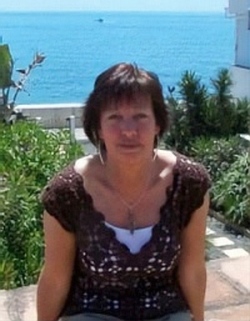
Who is behind this site . . . .
Hi, I’m Carolyn Levett, an endometriosis author, mentor, Integrative Health Coach and fellow endo warrior.
Having experienced endometriosis myself, I found my way towards better health through nutrition, natural remedies and support. I’m the bestselling author of 'Recipes & Diet Advice for Endometriosis' and 'Endometriosis – Healing from the Inside Out', and hold qualifications in nutrition, naturopathy and women’s hormone health.
I know how isolating and overwhelming endometriosis can be, especially when you feel unheard or your symptoms aren’t taken seriously. My aim is to share the knowledge, practical advice and support I wish I’d had, helping other women feel more informed, empowered and able to manage their endometriosis more naturally.
You don’t have to navigate endometriosis alone.


About Endo Blog Contact Disclaimer Site Map Privacy Policy
Carolyn Levett BA, NT Nutritional Therapist -
Promoting health and well-being through nutrition, diet and lifestyle changes
The material on this website is intended for educational information purposes only.
It should not substitute or delay medical advice, diagnosis or treatment.
Unauthorized use of content or parts of content is prohibited without a written permission by the author.
www.endo-resolved.com Copyright (C) - All rights reserved 2026