Natural Treatment for Endometriosis: Diet, Supplements and Natural Ways to Support Your Health
If you have endometriosis, you may be looking for natural ways to manage your symptoms, reduce inflammation and improve your overall health. Perhaps you want to explore alternatives to conventional treatment, or you are already receiving medical treatment and would like to find additional ways to support your body.
Whatever your reasons, there is growing interest in the role of nutrition, supplements and natural therapies in managing endometriosis.

Research is beginning to shed more light on how certain nutrients, dietary changes and complementary therapies may influence inflammation, immune function, hormone metabolism and pain. Some of the findings are encouraging, although the evidence is still developing.
It is important to understand that no natural treatment has been proven to cure endometriosis or reliably remove endometriosis lesions. On the other hand, medical hormone treatment is only temporary and surgery is not a guarantee to remove all signs of the disease. However, there are ways to support your nutritional health, address deficiencies, improve digestive symptoms and potentially help with pain management.
In this article, I'll look at the natural treatments that have been investigated in human studies, what the research tells us, which supplements are worth considering and where I would recommend starting.
My aim is to help you make informed choices without spending a fortune on supplements or going over the top with unnecessary changes in your diet.
Can you treat endometriosis naturally?
Endometriosis is a complex inflammatory condition in which tissue similar to the lining of the womb grows outside the uterus. It can cause pelvic pain, painful periods, fatigue, digestive problems and fertility difficulties.
Unfortunately, there is still no cure for endometriosis, and natural treatments have not been shown to reliably eliminate the condition. Maybe this is due to a lack of research into using natural treatments for endometriosis because such research does not attract funding. However, that doesn't mean there is nothing you can do to support your health.
Nutrition, lifestyle changes and certain supplements may help address nutritional deficiencies, support normal immune function, manage digestive symptoms and potentially improve some aspects of endometriosis-related pain and inflammation.
Natural approaches can also be used alongside conventional treatments such as hormonal medication, pain relief and surgery. I believe the most sensible approach is to look at the bigger picture rather than relying on one particular supplement or treatment.
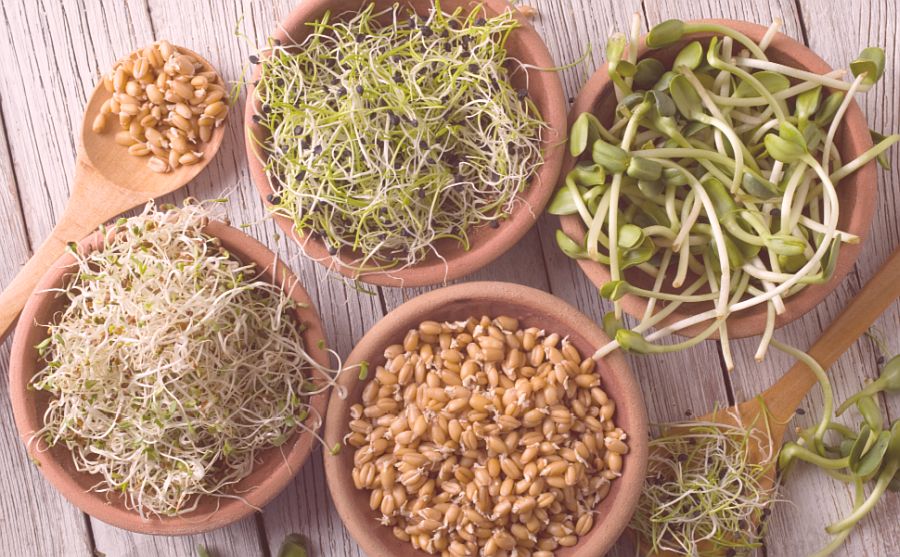
FOLLOW AN ANTI-INFLAMMATORY DIET TO HELP ENDOMETRIOSIS
One of the first things I would look at when considering natural treatment for endometriosis is your everyday diet.
Endometriosis is associated with inflammation, and researchers are increasingly interested in how food choices may influence inflammatory processes and the body's overall hormonal and immune health.
Although there is no scientifically proven endometriosis diet, an anti-inflammatory diet is a sensible place to start. This means eating plenty of vegetables, fruit, healthy fats, fibre-rich foods and good-quality protein.
Foods to include in your diet to help endometriosis
Try to include a variety of the following:
Vegetables: Broccoli, spinach, kale, carrots, beetroot and other colourful vegetables provide vitamins, minerals and antioxidants.
Fruit: Berries, citrus fruits, kiwi and apples provide fibre and beneficial plant compounds.
Healthy fats: Extra virgin olive oil, avocados, nuts and seeds provide beneficial fats.
Omega-3-rich foods: Salmon, sardines, mackerel and other oily fish provide EPA and DHA, which are involved in the body's inflammatory processes.
Fibre-rich foods: Vegetables, fruit, oats, beans, lentils and whole grains support digestive health.
Good-quality protein: Fish, eggs, poultry, beans and lentils help provide the nutrients needed for normal body function.
I would also suggest reducing your reliance on ultra-processed foods and foods high in added sugar. The aim isn't to follow a perfect diet or eliminate everything you enjoy. It is about making positive changes that are realistic and sustainable.
Should you avoid gluten and dairy?
Gluten-free and dairy-free diets are frequently recommended for endometriosis, but there is currently insufficient good-quality evidence to suggest that every woman with endometriosis should avoid these foods. However, anecdotal feedback suggests that it has helped some women when removing gluten or diary from their diet.
If you have coeliac disease, lactose intolerance or a genuine food sensitivity, avoiding the relevant food may help. Otherwise, I would be cautious about removing entire food groups unnecessarily, as this can make it harder to obtain all the nutrients you need.
What about bloating and digestive problems?
Bloating, constipation, diarrhoea and abdominal discomfort are common problems among women with endometriosis. Sometimes these symptoms are related to endometriosis itself, while in other cases IBS (irritable bowel syndrome) may also be present.
A low-FODMAP diet may help women who experience IBS-type digestive symptoms. This involves temporarily reducing certain carbohydrates that can ferment in the gut and contribute to bloating, wind and abdominal discomfort.
However, a low-FODMAP diet is not a treatment for endometriosis. It is a way of managing certain digestive symptoms. If you want to try this approach, I recommend working with a registered dietitian who can help you identify trigger foods without unnecessarily restricting your diet.
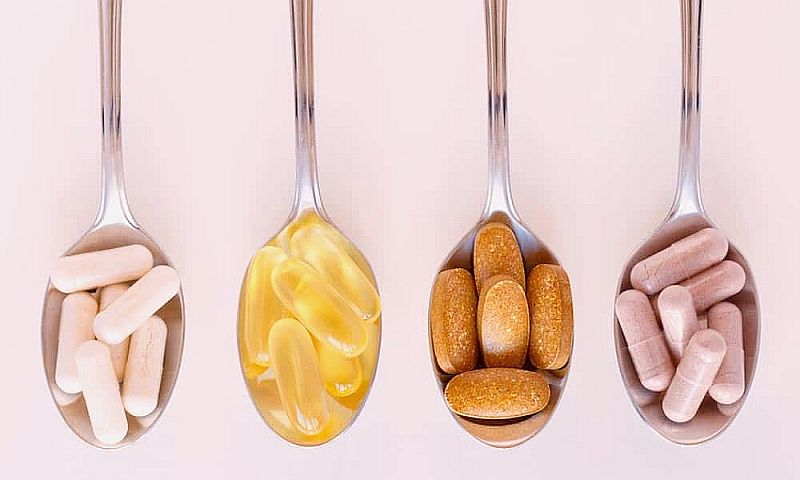
CHECK YOUR VITAMIN AND MINERAL LEVELS
Before investing in lots of supplements, I would recommend looking at whether you have any nutritional deficiencies.
Women with endometriosis may experience heavy periods, digestive problems, fatigue or dietary restrictions, all of which can influence nutritional health. Two nutrients I would particularly investigate are vitamin D and iron.
Vitamin D for endometriosis
Vitamin D is important for healthy bones, muscles and normal immune function. Researchers are also investigating its potential role in inflammation and endometriosis. Some studies have found that women with endometriosis may have lower vitamin D levels, although this does not establish that vitamin D deficiency causes the condition.
A randomised controlled trial involving 60 women with endometriosis investigated vitamin D supplementation over 12 weeks. The researchers reported improvements in pelvic pain and some markers associated with inflammation. However, other studies have produced mixed results.
What I recommend:
- Consider a vitamin D blood test if you have symptoms or risk factors for deficiency.
- Ask your GP about testing 25-hydroxyvitamin D.
- If your levels are low, discuss an appropriate supplement dose.
- Avoid taking high doses without medical guidance.
Correcting a deficiency is important for general health, although vitamin D is not a proven treatment for endometriosis, research has found that low levels may have an impact on the severity of symptoms.
Read the NHS guidance on vitamin D
Iron for endometriosis-related fatigue
If you experience heavy periods, iron deficiency is something worth investigating.
Iron is needed to produce haemoglobin, which carries oxygen around the body. Low iron levels can contribute to fatigue, weakness, dizziness, breathlessness and poor concentration.
I would particularly recommend discussing iron testing with your GP if you experience heavy menstrual bleeding or persistent tiredness.
More details of the effect of low iron
Useful blood tests include:
- Full blood count (FBC) to check for anaemia.
- Ferritin to assess your body's stored iron.
If you are deficient, your GP can advise whether iron supplementation is necessary.
I wouldn't recommend taking iron supplements without establishing whether you need them, as too much iron can be harmful and supplements can cause digestive problems.
Read more about iron deficiency anaemia from the NHS.
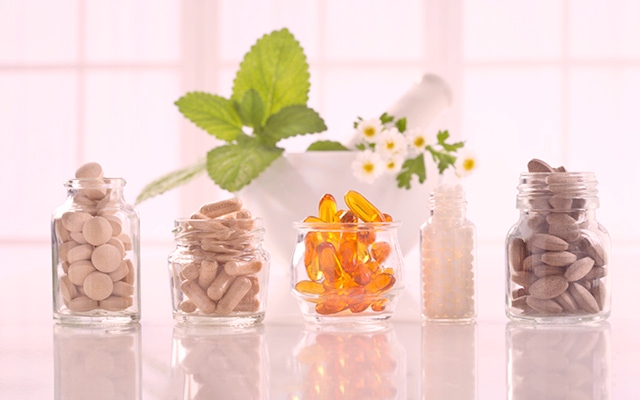
OTHER NUTRIENTS WORTH CONSIDERING
Depending on your diet, symptoms and medical history, it may also be worth discussing vitamin B12 and folate testing with your healthcare professional. There is no need to test every vitamin and mineral routinely. The aim is to identify deficiencies where there is a good reason to investigate.
Supplements for endometriosis: What does the research say?
There has been increasing research into the use of supplements for endometriosis, particularly antioxidants and nutrients involved in inflammatory processes. Some of the findings are promising, but the quality of the evidence varies.
Here are the supplements I would be most interested in considering especially as feedback from other women often provides favourable outcomes.
NAC (N-acetylcysteine)
NAC is one of the more interesting supplements currently being investigated for endometriosis.
It is an antioxidant that helps the body produce glutathione, a substance that protects cells against oxidative damage. Oxidative stress is thought to contribute to inflammation and may play a role in the development of endometriosis.
A prospective study involving 120 women investigated NAC supplementation over three months. The researchers reported improvements in menstrual pain, pain during intercourse, chronic pelvic pain and the measured size of ovarian endometriomas.
Interestingly, among the 52 women who wanted to become pregnant, 39 became pregnant within six months. However, this was not a randomised placebo-controlled study, so we cannot establish that NAC caused these improvements or the pregnancies.
A systematic review published in 2026 also highlighted that, despite its promising biological effects, the clinical evidence remains limited.
My thoughts: NAC is certainly an interesting area of research, particularly because of the findings involving endometriomas. Discuss its suitability with your healthcare professional, particularly if you take medication or are planning surgery.
Vitamin C and vitamin E
Vitamin C and vitamin E are antioxidants that help protect cells against oxidative damage.
One small but interesting randomised, placebo-controlled trial investigated whether combining these two vitamins could help reduce endometriosis-related pain.
The study involved 60 women and used:
- Vitamin C: 1,000 mg daily.
- Vitamin E: 800 IU daily.
- Treatment period: eight weeks.
The researchers reported improvements in menstrual pain, pain during intercourse and chronic pelvic pain compared with placebo. Although these findings are encouraging, the study was relatively small and used high supplement doses.
My thoughts: I would prioritise obtaining vitamin C through foods such as berries, citrus fruits, kiwi, peppers and broccoli. High-dose vitamin C and vitamin E supplements should only be considered after discussing their suitability with a healthcare professional.
In particular, high-dose vitamin E can increase bleeding risk and may interact with certain medications.
Read the vitamin C and E clinical research
Omega-3 for endometriosis
Omega-3 fatty acids are involved in the production of substances that help regulate inflammation. The two main marine omega-3 fats are EPA and DHA, which are found in oily fish.
Researchers have investigated whether increasing omega-3 intake may influence inflammatory processes associated with endometriosis and help reduce pain. A 2025 systematic review found potential benefits for certain inflammatory markers, but did not establish a clear improvement in endometriosis symptoms.
My thoughts: I would prioritise including oily fish in your diet rather than automatically reaching for a high-dose fish oil supplement. Good sources include salmon, sardines, mackerel, herring and trout. If you don't eat fish, an algae-based omega-3 supplement may be an alternative to discuss with your healthcare professional.
Read the omega-3 research review
Continue reading – Part Two - Other Natural Supplements and suggested treatment plan

Who is behind this site . . . .
Hi, I’m Carolyn Levett, an endometriosis author, mentor, Integrative Health Coach and fellow endo warrior.
Having experienced endometriosis myself, I found my way towards better health through nutrition, natural remedies and support. I’m the bestselling author of 'Recipes & Diet Advice for Endometriosis' and 'Endometriosis – Healing from the Inside Out', and hold qualifications in nutrition, naturopathy and women’s hormone health.
I know how isolating and overwhelming endometriosis can be, especially when you feel unheard or your symptoms aren’t taken seriously. My aim is to share the knowledge, practical advice and support I wish I’d had, helping other women feel more informed, empowered and able to manage their endometriosis more naturally.
You don’t have to navigate endometriosis alone.


About Endo Blog Contact Disclaimer Site Map Privacy Policy
Carolyn Levett BA, NT Nutritional Therapist -
Promoting health and well-being through nutrition, diet and lifestyle changes
The material on this website is intended for educational information purposes only.
It should not substitute or delay medical advice, diagnosis or treatment.
Unauthorized use of content or parts of content is prohibited without a written permission by the author.
www.endo-resolved.com Copyright (C) - All rights reserved 2026