Vitamins in your Diet that can Help Endometriosis
Knowing which vitamins that will support your immune system and can also reduce your endometriosis symptoms will give you some guidance on which are the best foods to include in your diet.
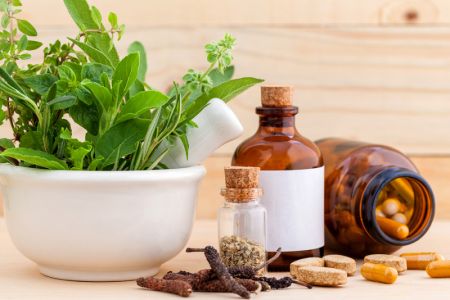
Your main defence and healing system is the one provided by nature, and that is the immune system. It has amazing properties to deal with millions of bacteria and outside invaders that would try to destroy your health, but every day this system is busily working with the aim to keep you fit and well.
Having a strong immune system will help you manage endometriosis better and will support your whole body.
Feed Your Immune system to Help Reduce your Symptoms
Feeding your immune system with the right nutrients boosts its fighting power. Your immune system can become depleted due to stress and we all know that trying to manage endometriosis is very stressful on many levels. The following nutrients will not only support your immune system but can also provide much needed nutrients that area able to help reduce inflammation and pain.
Vitamin C
Vitamin C tops the list of immune boosters for many reasons. There has been more research about the immune-boosting effects of Vitamin C than perhaps any other nutrient. Vitamin C supplements are inexpensive to produce, and it's available naturally in many fruits and vegetables. Also, you can buy a vitamin-C-fortified version of just about anything.
Vitamin C increases the production of infection-fighting white blood cells and antibodies and increases levels of interferon, the antibody that coats cell surfaces, preventing the entry of viruses.
A major function of vitamin C is to feed the adrenal glands. Your adrenal glands use the most vitamin C of any organ in the body. Your adrenals can become stressed just trying to deal with the everyday stress of managing endometriosis so you need to give them plenty of support. An even better support for your adrenals is drinking the adrenal cocktail twice a day - mix orange juice with coconut water (potassium) with 1/4 tsp of ground sea salt and mix.
You don't have to take in massive amounts of vitamin C to boost your immune system. Around 200 milligrams a day seems to be a generally agreed-upon amount and one that can be automatically obtained by eating at least six servings of fruits and vegetables a day. If you take vitamin C supplements, it's best to space them throughout the day rather than take one large dose, most of which may end up being excreted in the urine.
B-complex vitamins
The B-complex vitamins are a group of eight inter-related vitamins, which occur together in natural plant and animal sources. Because these vitamins are water soluble, they cannot be stored to any large degree in the body and therefore must be taken in daily. Vitamins B6, B12, and B2 are the B vitamins most noted for their roles in helping the body metabolize and remove excess estrogen. Vitamin B6 can also help to increase progesterone levels.
They are easily lost through refining, processing, cooking and peeling of foods. Rich sources of B vitamins are green vegetables, potatoes, wholegrain cereals, fresh and dried fruit, pulses (peas, beans and lentils), nuts, seeds, liver and lean meat.
Vitamin E
Vitamin E, particularly when combined with vitamin C, has shown benefits in alleviating endometriosis-related pain. The anti-inflammatory properties of vitamin E and C both help decrease inflammatory markers in the peritoneal fluid. Endometriosis is associated with increased oxidative stress. Vitamin E acts as a powerful antioxidant that helps neutralize free radicals and reduce cellular damage.
It's not difficult to get 30 to 60 milligrams every day of Vitamin E from a diet rich in seeds, vegetable oils, and grains, but it's difficult for most people to consume more than 60 milligrams a day consistently through diet alone. Supplements may be necessary to get enough vitamin E to boost your immune system and to help with endometriosis inflammation.
Caution - high doses of vitamin E can have a blood-thinning effect so it is not advised to be taking any vitamin E supplements when menstruating.
Beta-carotene
Beta-carotene, a precursor to vitamin A - beta-carotene may help manage endometriosis by acting as an antioxidant to reduce inflammation and oxidative. It can modulate the inflammatory response by inhibiting pro-inflammatory factors, potentially reducing the pain and symptoms of endometriosis.
Like other antioxidants, vitamins C and E, it reduces the risk of cardiovascular disease by interfering with how the fats and cholesterol in the bloodstream oxidise to form arterial plaques.
Foods rich in beta-carotene include carrots, sweet potatoes, spinach, butternut squash, and cantaloupe. Other good sources are kale, apricots, pumpkin, and red bell peppers.
The body converts beta carotene to vitamin A, which itself has anticancer properties and immune-boosting functions. But too much vitamin A can be toxic to the body, so it's better to get extra beta carotene from foods and let the body naturally regulate how much of this precursor is converted to the immune-fighting vitamin A. It's highly unlikely that a person could take in enough beta carotene to produce a toxic amount of vitamin A, because when the body has enough vitamin A, it stops making it.
Bioflavonoids
A group of phytonutrients (nutrients that come from plants) called bioflavonoids aids the immune system by protecting the cells of the body against environmental pollutants. Bioflavonoids protect the cell membranes against the pollutants trying to attach to them. Along the membrane of each cell there are microscopic parking spaces, called receptor sites.
Bioflavonoids have shown benefits for endometriosis by managing key factors like inflammation, pain, oxidative stress. Certain flavonoids have shown analgesic properties. Studies on specific bioflavonoid supplements, like Pycnogenol (pine bark extract), have demonstrated significant reductions in chronic pelvic pain and menstrual cramps.
Excellent dietary sources include apples, broccoli, berries, onions, green tea, and red wine. Supplements containing specific bioflavonoids such as quercetin, Pycnogenol, or those combined with vitamin C, are available and have shown promise in clinical trials.
Zinc
Zinc may offer benefits for managing endometriosis symptoms due to its roles as an anti-inflammatory agent, antioxidant, and hormone regulator . It also increases killer cells that fight against cancer and helps white cells release more antibodies. Zinc is also a valuable nutrient for hair health which is why some hair supplements include zinc and this mineral has been found to help reduce the pain of menstruation.
It supports hormonal balance by helping to regulate estrogen and progesterone levels and promoting healthy ovulation. It is also involved in wound healing and maintaining healthy uterine tissue.
A word of caution: too much zinc in the form of supplements (more than 75 milligrams a day) can inhibit immune function. It's safest to stick to getting zinc from your diet and aim for 15 to 25 milligrams a day. Zinc-rich foods include shellfish like oysters, meat and poultry such as beef and chicken, and plant-based options like pulses (chickpeas, lentils) and nuts and seeds (pumpkin seeds, cashews.
Magnesium
Magnesium is extremely important - it is a mineral essential for activating chemical reactions, transporting glucose to the cells and boosting your immune system. At times of high psychological stress, our magnesium requirements are even higher as stress can deplete magnesium. Good sources of magnesium can be found in spinach, chard, pumpkin seeds, avocado, banana, dark chocolate, quinoa, almonds, black beans, cashews,figs, yoghurt. Protein sources of magnesium can be found in shellfish, herring, liver.
Magnesium acts as a natural muscle relaxer, which can alleviate menstrual cramps and the smooth muscle cramping associated with endometriosis. It may also help with stress and sleep, which can influence endometriosis symptoms. More details of the benefits for magnesium for endometriosis can be found here
Garlic
This flavourful member of the onion family is a powerful immune booster that stimulates the multiplication of infection-fighting white cells, boosts natural killer cell activity, and increases the efficiency of antibody production.
Garlic may help manage endometriosis symptoms, primarily by significantly reducing associated pain due to its anti-inflammatory and antioxidant properties. A 12-week randomized controlled trial found that women with endometriosis who took 400 mg garlic tablets daily experienced significant reductions in pain compared to a placebo group. Garlic extract may also help increase estrogen detoxification in the liver, which is beneficial as endometriosis is an estrogen-dependent condition.
Selenium
Selenium is an important mineral for women with endometriosis because of its anti-inflammatory properties, and it also supports the immune system. We can easily become deficient in this mineral because the main way to obtain it is through plant foods, which takes up selenium from the soil. Over years of intensive farming and soil depletion, selenium is becoming more scarce in the food chain.
Best food sources of selenium are tuna, red snapper, lobster, shrimp, whole grains, vegetables (depending on the selenium content of the soil they're grown in), brown rice, egg yolks, cottage cheese, chicken (white meat), sunflower seeds, garlic and Brazil nuts.
Omega-3
Omega-3 fatty acids can help manage endometriosis by reducing inflammation and pain, and potentially decreasing the size of lesions. Omega 3 oils also help to produce the anti-inflammatory prostaglandins, which in turn will help to reduce the symptoms of pain and inflammation with endometriosis.
The best protein sources of omega 3 are found in salmon, mackerel, and sardines. Plant-based sources are walnuts, flaxseeds, chia seeds, and algae are good plant-based options.
The omega 3 fatty acids in fatty fish (such as salmon, tuna, and mackerel) act as immune boosters by increasing the activity of phagocytes, the white blood cells that eat up bacteria. (Perhaps this is why grandmothers used to insist on a daily dose of unpalatable cod liver oil.
To sum up......
The very nature of immune strength means that it needs to be built from the inside out through good nutrition. The immune system is the body system most sensitive to nutritional deficiencies. It is also sensitive to stress so you need to practise calming and stress reduction techniques like yoga and meditation.
You might like these
Combining natural treatments for endometriosis
How to use natural treatments for endometriosis to help reduce symptoms, reduce pain and increase energy
How the immune system can help you fight endometriosis
Your immune system is your greatest asset to help you manage endometriosis and reduce your symptoms
Endometriosis natural pain relief
Over the counter pain meds may help endometriosis but can cause side effects. These natural pain remedies have been researched to be just as effective to reduce the pain
Endometriosis - Just how effective are natural treatments?
There are many natural treatments you can use for endometriosis, a look at how good they are at helping with the pain and symptoms
Endometriosis - Choosing a Natural therapy
How do you decide which natural treatment or therapy for endometriosis to help relieve symptoms





About the Author
Hi, I am Carolyn Levett, the Founder here at endo-resolved - I am an Integrative Health Coach having studied nutrition, naturopathy and aromatherapy as well as being a published author of three endometriosis books. I used to suffer from severe endometriosis and was fortunate to be able to regained my health and recover from this disease with the support of nutrition, natural therapies and lots of determination.
My motivation is to help other women with endometriosis to heal their bodies so they may start to overcome this awful disease without having to totally rely on toxic drugs and surgeries which can cause further damage - with healing thoughts, Carolyn.
 As featured in:
Reference:
https://endometriosis.net/complementary-alternative-treatment/herbs-supplements/
https://avivaromm.com/endometriosis-herbs-supplements/
https://thechalkboardmag.com/11-supplements-herbs-to-support-healing-from-endometriosis/
https://www.floliving.com/5-supplements-endometriosis/



About Endo Blog Contact Disclaimer Site Map Privacy Policy
Carolyn Levett BA, NT Nutritional Therapist -
Promoting health and well-being through nutrition, diet and lifestyle changes
The material on this website is intended for educational information purposes only.
It should not substitute or delay medical advice, diagnosis or treatment.
Unauthorized use of content or parts of content is prohibited without a written permission by the author.
www.endo-resolved.com Copyright (C) - All rights reserved 2026