Pelvic Floor Physical Therapy for Endometriosis
You need to be aware not to expect a dramatic overnight transformation with pelvic floor physical therapy. The pelvic floor is involved in so much—bladder control, bowel function, sexual comfort and pelvic stability—so teaching it to work differently can take patience.

Women suffering from endometriosis can experience dysfunction in their pelvic floor. Chronic pain can cause trauma to the muscles, ligaments, nerves, and fascia of the pelvis and abdominal wall. This can result in pain in the pelvis, difficulty urinating, difficulty having bowel movements, painful sex, and pain with movement.
Pelvic floor dysfunction is when your pelvic floor muscles are not functioning properly. The pelvic floor muscles should be able to contract, relax, and lengthen.
Pelvic floor physical therapy with a trained physical therapist can help to alleviate some of the issues that come along with pelvic floor dysfunction such as low back pain, abdominal pain, pelvic pain, pain with sex, urinary urgency and frequency, bladder leakage, constipation, bloating, and more!
For women with endometriosis, pelvic floor physical therapy can help to reduce certain symptoms caused by tight muscles in the pelvic region and may be able to help reduce problems caused by adhesions.
Pelvic floor physical therapy has been helpful in improving pain symptoms after six sessions in 63% of patients with endometriosis.
To treat endometriosis, it is preferable for the Pelvic Physical Therapist to be trained in techniques that address musculoskeletal causes and visceral relationships. Practitioners should have advanced training in visceral manipulation therapy and have significant training in pelvic floor work.
Many Pelvic Health Physical Therapists also have training in Pilates, yoga, and nutrition to better facilitate lifestyle changes that will help your pain. Those with endometriosis often find the use of sensors or dilators internally rather uncomfortable. You should discuss your feelings on their use and your therapist’s beliefs on their use.
Center for Endometriosis Care - Dr Sallie Sarrel PT, ATC, DPT
https://www.centerforendo.com/news-education/preparing-for-pelvic-floor-therapy
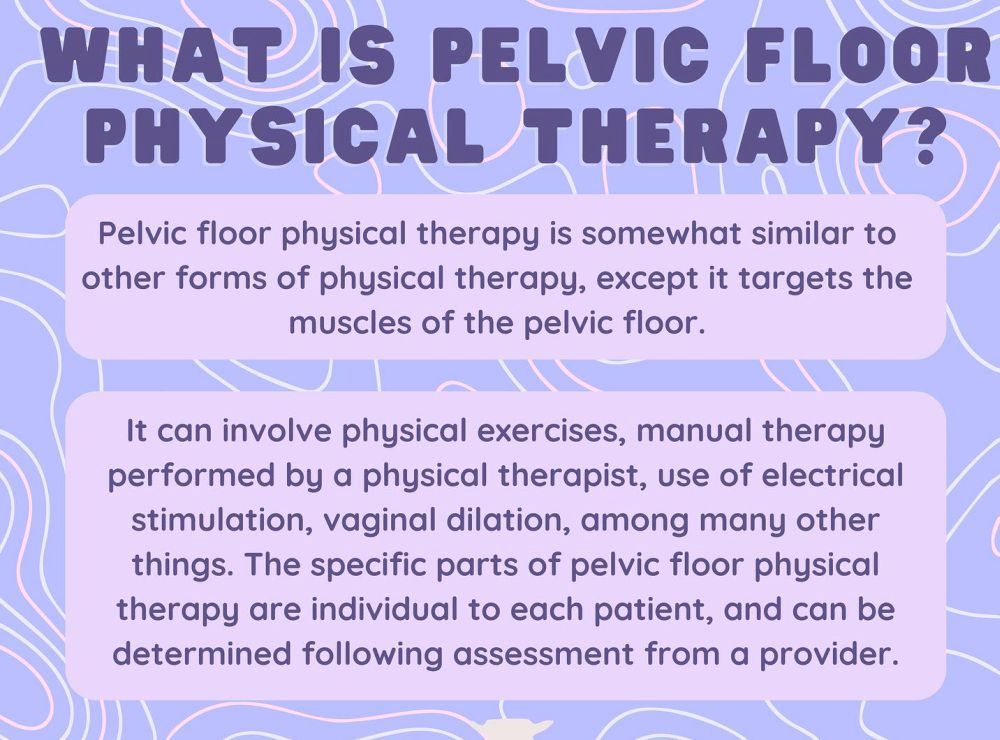
Pelvic Floor Physical Therapy
Pelvic Floor Physical Therapy involves exercises and stretches that help to strengthen and relax the pelvic floor. Pelvic Floor Therapy can help to manage the symptoms of endometriosis such as painful menstrual cramping, abdominal discomfort, pelvic floor pain, and painful intercourse by:
- Treating connective tissue dysfunction
- Treating myofascial trigger points
- Gentle manual therapy techniques aimed at releasing adhesions and restoring proper mobility of the internal organs, such as uterus, bladder, colon and small intestines
- Correcting postural and movement dysfunction
You need to be aware that having Pelvic Floor Physical Therapy involves internal examination, which some may find emotionally uncomfortable. During the internal exam, your physical therapist will place a gloved finger into your vagina or rectum to assess the tone and strength of your pelvic floor muscles and tissues.
These internal exams can tell if there are trigger points (painful spots), muscle/tissue shortening, or nerve irritation and/or bony malalignment that could be causing pain directly or inhibiting the full function of your pelvic floor muscles.
Exercises and massage are used to release trigger points and muscles are aligned, and you may be given exercise to perform at home. A therapist may teach you exercises of how to contract and relax pelvic floor muscles in relation to other muscles.
You may also be taught breathing and timing techniques to make the exercises more effective. Such exercises can stretch tight muscles, strengthen weak ones, and improve flexibility.
There are many women who are having success using this particular therapy to help reduce their symptoms of endometriosis, but like I said, it depends how you feel about having internal manipulation and treatment.
Personal experiences
'For me, the biggest surprise was that it wasn't simply “do a hundred Kegels and off you go.” My therapist looked at how I was breathing, standing, moving, relaxing and using those muscles. Sometimes the problem isn't that the pelvic floor is weak—it can actually be too tense, especially when someone has been dealing with pain, stress, constipation, urinary symptoms or anxiety. Learning how to relax those muscles properly can be just as important as strengthening them.'
'At first, it felt a little awkward talking about muscles I had previously preferred to pretend didn't exist. But having someone explain what was happening took away a lot of the mystery. Depending on what you're dealing with, therapy may include breathing exercises, gentle stretches, coordination work, posture and movement training, bladder or bowel habits, and sometimes hands-on treatment. Your therapist should explain everything and get your consent before doing anything internal.'
FAQ
How does pelvic floor physical therapy help endometriosis?
Pelvic floor physical therapy helps endometriosis by relaxing chronically tight muscles, easing painful bowel and bladder symptoms, and calming an overactive nervous system.
When should someone with endometriosis go to pelvic floor physical therapy?
It is recommended that someone with endometriosis should consider pelvic floor physical therapy if they experience pelvic, abdominal, or back pain in general but specifically if it is interfering with completing activities throughout the day.
What is involved with pelvic floor physical therapy?
Pelvic floor physical therapy is specialized care that evaluates and treats the muscles, ligaments, and connective tissues at the base of your pelvis. It involves a detailed health review, customized exercises to help manage symptoms. They look at your posture, hip movement, lower back, and core strength.
What happens at a pelvic floor physiotherapy appointment?
A pelvic floor physiotherapy appointment involves a confidential consultation discussing bladder, bowel, or abdominal health symptoms, followed by an external and/or internal physical exam (with your consent) to assess muscle tone and strength, and includes a personalized recovery and exercise plan.
The therapist may focus on improving the mobility of your pelvic floor muscles rather than strengthening them. Other exercises include breathing techniques, stretching, and coordination. The therapist will also teach you basic exercises that you can do at home.
How many sessions will I need to see any benefit?
Most people notice early shifts in muscle awareness or mild symptom relief within 3 to 4 sessions (about 2 to 4 weeks). Meaningful and lasting benefits typically require a total course of 6 to 12 sessions scheduled over 6 to 8 weeks, heavily supported by daily home exercises.
How long is a typical pelvic floor physical therapy session?
A typical follow-up pelvic floor physical therapy session lasts between 30 and 60 minutes (most commonly 45 to 50 minutes). However, your very first appointment will be longer—usually 60 to 90 minutes—because it includes a thorough health history review and initial evaluation
How to prepare for pelvic floor physical therapy?
Wear comfortable clothes like yoga pants, sweatpants, or shorts that allow easy movement. Empty your bladder just before the appointment unless your therapist specifically instructed you to arrive with a full bladder for a diagnostic ultrasound.
How invasive is pelvic floor therapy?
Pelvic floor therapy is generally considered a non-surgical, conservative treatment, but it can involve internal exams and manual touch that some people find intimate or invasive.
What is the training of pelvic floor physical therapists?
Pelvic floor physical therapists are licensed physical therapists who complete a general degree plus dedicated post-graduate training in pelvic health.
Recent Articles


-
How to Put Endometriosis into Medical Remission
Aug 26, 26 03:10 PM
 What is the best approach to put endometriosis into remission when using a combination of drug therapy and surgery along with self-help remedies.
 -
Nutritional support to help anxiety with endometriosis
Aug 21, 26 04:09 PM
 Endometriosis can cause a lot of stress and anxiety. There are certain nutrients and supplements that can help reduce your stress response and help reduce anxiety
 -
Endometriosis natural pain relief
Aug 21, 26 02:49 PM
Over the counter pain meds may help endometriosis but can cause side effects. These natural pain remedies have been researched to be just as effective to reduce the pain
Reference:
https://www.hopkinsmedicine.org/health/treatment-tests-and-therapies/pelvic-floor-therapy
https://www.pelvicfloorandmore.co.uk/find-help/what-expect-physiotherapy-appointment


About Endo Blog Contact Disclaimer Site Map Privacy Policy
Carolyn Levett BA, NT Nutritional Therapist -
Promoting health and well-being through nutrition, diet and lifestyle changes
The material on this website is intended for educational information purposes only.
It should not substitute or delay medical advice, diagnosis or treatment.
Unauthorized use of content or parts of content is prohibited without a written permission by the author.
www.endo-resolved.com Copyright (C) - All rights reserved 2026