Healing the Gut can Aid Managing Endometriosis
THE GUT: Houses Your Second Brain - 80% of the Immune System – And Your Hormonal Control
Nutritionist and natural health practitioners talk a lot in the endometriosis community about the benefits of having a healthy gut. There are numerous reasons for this which we look at in this article.
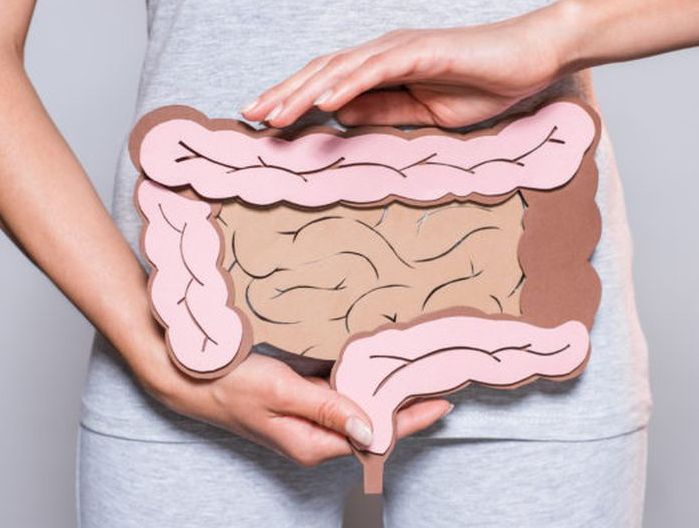
The impact of the gut extends far beyond digestion.
Your gut is not just a digestive organ as so many of us think — it’s a powerful control centre that influences nearly every function in your body. Housing over 100 million neurons (more than the spinal cord), the gut is so neurologically complex that it's referred to as the enteric nervous system or ‘second brain.’ A fascinating act, the gut communicates with your brain through the gut–brain axis, a two-way superhighway of nerves, hormones, and biochemical messengers. In fact, we are still discovering just what a vital role the gut plays in optimal health.
The Gut Microbiome: The Organ of Central Intelligence
Trillions of microbes — bacteria, fungi and viruses — live in your intestines and make up your gut microbiome. This dynamic ecosystem plays a vital role in the following -
Neurotransmitter production: Over 90% of serotonin, 50% of dopamine, and most GABA and acetylcholine are made in the gut. These regulate mood, motivation, sleep, and cognition — all of which are compromised when gut health is poor.
Immune function: About 70–80% of your immune cells reside in the gut-associated lymphoid tissue (GALT), where the microbiome teaches immune tolerance and defence. Without this education, the immune system becomes hyper-reactive, driving autoimmunity and allergies.
Cholesterol & bile regulation: Certain gut microbes help regulate LDL, HDL, bile acids, and even blood pressure via postbiotic (preparations of inanimate (dead) microorganisms) signalling molecules.
Detoxification: Healthy gut flora metabolizes toxins, neutralize carcinogens, and break down excess estrogen, xenoestrogens, histamines, and inflammatory mediators.
Inflammation control: Gut bacteria regulate the inflammatory tone of the entire body via short-chain fatty acids (SCFAs) which protect the brain, gut lining, and reduce neuroinflammation.
Vitamin synthesis: Your microbiome makes critical nutrients like vitamin K2, biotin, folate, thiamine, and B12, which are essential for energy, brain health, and detox.
Appetite and metabolism: Gut bacteria influence leptin, ghrelin, insulin, and blood sugar regulation — determining your cravings, satiety, body weight, and risk of diabetes or metabolic syndrome.
Parasite defence: A healthy microbiome produces antimicrobial peptides and acids that suppress pathogenic invaders like parasites, yeast, and bad bacteria.
What Issues Harm the Gut?
Modern living is incredibly hostile to the ecosystem of the body and can seriously undermine the immune-system. Endometriosis is now being recognised as partly being an issue related to a compromised immune system. Some scientists are now even speculating that endometriosis is an auto-immune disease, but the jury is still out on that one. As much of the immune-system is housed in the gut then working to repair and heal the gut will aid your body in managing endometriosis more effectively.
Some of the key gut-damaging causes include:
- Antibiotics - even one round can wipe out beneficial gut bacteria for months or years.
- NSAIDs (ibuprofen, aspirin) and PPIs (like omeprazole, which lower stomach acid critical for microbial balance and proper protein digestion)
- Glyphosate - used on non-organic crops. Has a detrimental effect on the nervous system.
- Chlorinated tap water and fluoride (kill good bacteria and suppress beneficial strains)
- Artificial sweeteners like sucralose and aspartame (alter microbiome diversity and contribute to glucose intolerance)
- Heavy metals (like mercury, cadmium, aluminium), which suppress good flora, feed candida, and impair detox enzymes
- Refined carbs, sugar, and seed oils which raise inflammation, and destroy microbial diversity
- Chronic constipation or diarrhoea can disrupt the gut flora and will favour overgrowth
- Birth control pills (BCP) and hormone disruptors, which damage the gut lining and increase permeability. Birth control pills can also deplete vital nutrients and many women are prescribed the BCP as the first line of treatment for endometriosis. It is advised to come off the BCP if possible, to help restore not only your gut health but to help rebalance your hormones.
- Chronic stress and trauma, which reduce vagus nerve tone, slow motility, and lower stomach acid — this can lead to SIBO and other overgrowth problems. Low stomach acid is very common in those who have hypothyroidism and can also be low in women with endometriosis. Adding digestive enzymes with your meals can help aid in digestion and certain enzymes can help reduce inflammation – more details on that topic here
- EMFs and blue light – scientists have found that EMP’s and blue light can disrupt microbial circadian rhythms. Blue light in the evenings can also contribute to sleep disturbance.
Leaky Gut: May be the Root of many Diseases
Often damage to the gut can lead to Leaky Gut Syndrome (intestinal permeability), where the tight junctions that normally keep food particles, toxins, and pathogens inside the intestines begin to become impaired. Once the gut lining is breached, foreign particles leak into the bloodstream, triggering widespread immune activation.
Leaky Gut is not in itself a clinically recognised diagnosis and is thought to be a condition that is accompanied by other gut health problems like IBS or SIBO.
Leaky gut is now a recognized factor that may lead to:
- Being a common co-factor with endometriosis
- Autoimmune diseases (Hashimoto’s, rheumatoid arthritis, lupus, MS, psoriasis)
- Mental health disorders (anxiety, depression, OCD, ADHD, schizophrenia)
- Hormonal disruption (PCOS, estrogen dominance, PMS, infertility, low testosterone)
- Skin conditions (eczema, acne, vitiligo, rosacea)
- Histamine overload, MCAS, and food sensitivities
- Chronic fatigue, fibromyalgia, migraines
- Diabetes, obesity, metabolic syndrome
Endometriosis and Small Intestinal Bacteria Overgrowth
A small 1998 study found that 80% of endometriosis participants had SIBO, with 100% of participants showing altered small intestine motility, a possible risk factor for SIBO development.
SIBO stands for Small Intestine Bacterial Overgrowth and is an overgrowth of specific bacteria in the small intestine. The large intestine should house the majority of our bacteria, with only small amounts in the small intestine.
Just like the microbiome in the large intestine, these bacteria eat the carbohydrates and fibre that arrive there, and release gas, a process called fermentation.
The overgrowth of bacteria produces excess levels of gas, which are: Hydrogen, Methane, Hydrogen Sulfide These gases cause a host of IBS issues including bloating, constipation and diarrhoea, as well as full body reactions like brain fog.
The bacteria also cause intestinal inflammation and damage to the gut lining, stomach acid and digestive enzymes. Over time, the condition depletes the ability to absorb nutrients and SIBO even eats some of nutrients like iron and B12.
SIBO is a complex subject and is covered in this article here
Gut Repair Requires a multi-attack Approach
To truly restore the gut, you can try the following:
Remove issues that disrupt the gut - processed foods, antibiotics, glyphosate, NSAIDs, parasites, Candida, SIBO, mold, and heavy metals.
Replace with essential components that aid digestion - stomach acid (betaine HCl), digestive enzymes, bile acids
Repopulate - with soil-based probiotics, prebiotics like inulin, fermented foods (sauerkraut, kimchi, kefir), and polyphenol-rich plants (pomegranate, cacao, green tea)
Repair the gut lining with targeted nutrients
The gut lining can be severely affected by endometriosis due to the inflammatory action it has throughout the body. Gut distress and the well-recognised symptom of endo-belly starts in the gut so helping to soothe and heal the gut will help reduce your symptoms of endo-belly.
The following nutritional support can help heal the gut lining
L-glutamine: helps to seal the gut lining
Zinc carnosine: heals gastric and intestinal tissue – also very supportive of the immune system
Slippery elm, marshmallow root, aloe vera, licorice (DGL): soothe and coat the lining of the gut and can aid in digestion and gut transit.
Quercetin, NAC - N-acetyl-glucosamine, colostrum: anti-inflammatory and repairing properties – NAC has also been found in research to be very beneficial to help reduce endometriosis
Regulate: The nervous system — Especially Vagus nerve activation
We all know and experience how our emotions can affect our gut – we notice how we feel butterflies in the gut when we feel nervous. Dealing with anxiety can disrupt digestion and even put us off our food completely.
Endometriosis really takes its toll on our emotions due to coping with severe pain and inflammation as well as the distress caused by dealing with the knock-on effects which affect everyday life.
Chronic stress is a major factor of hormonal imbalance. Stress activates the hypothalamic-pituitary-adrenal (HPA) axis and results in excessive secretion of cortisol, to the detriment of other hormones like progesterone or thyroid hormones.
Deep breathing, cold exposure, humming, singing, gargling can all help to calm the Vagus nerve as this nerve, which is the largest in the body, runs down the side of the neck.
To conclude - If your gut is inflamed and not functioning properly, as well causing issues with your digestion, it can also affect your hormones, immunity, energy, and your mood can all suffer. Gut healing is vital in managing chronic illness and endometriosis has many symptoms that are triggered or stem from problems in the gut.
Understanding what may have caused imbalances or damage to your gut gives you the opportunity to take action. Making changes with small steps and self-help measures can help to restore your gut health like reducing your exposure to toxins and trying your best to reduce stress.
Subscribe to the Newsletter ENDO EDITS below to receive your FREE
' Endo Diet & Nutrition Guide' e-book
Also - you make use of a generous DISCOUNT on the book ' Recipes & Diet Advice for Endometriosis ' to give you a kick-start.
NEWSLETTER from ENDO RESOLVED

Who is behind this site . . . .
Hi, I’m Carolyn Levett, an endometriosis author, mentor, Integrative Health Coach and fellow endo warrior.
Having experienced endometriosis myself, I found my way towards better health through nutrition, natural remedies and support. I’m the bestselling author of 'Recipes & Diet Advice for Endometriosis' and 'Endometriosis – Healing from the Inside Out', and hold qualifications in nutrition, naturopathy and women’s hormone health.
I know how isolating and overwhelming endometriosis can be, especially when you feel unheard or your symptoms aren’t taken seriously. My aim is to share the knowledge, practical advice and support I wish I’d had, helping other women feel more informed, empowered and able to manage their endometriosis more naturally.
You don’t have to navigate endometriosis alone.
REFERENCE:
Relation of endometriosis and neuromuscular disease of the gastrointestinal tract: new insights – PubMed
https://www.gastrojournal.org/article/S0016-5085(19)38954-1/pdf
https://pmc.ncbi.nlm.nih.gov/articles/PMC3607857/
https://pubmed.ncbi.nlm.nih.gov/29915215/
Toxic Effects of Glyphosate on the Nervous System: A Systematic Review
https://pubmed.ncbi.nlm.nih.gov/35562999/
Effects of heavy metals on gut barrier integrity and gut microbiota


About Endo Blog Contact Disclaimer Site Map Privacy Policy
Carolyn Levett BA, NT Nutritional Therapist -
Promoting health and well-being through nutrition, diet and lifestyle changes
The material on this website is intended for educational information purposes only.
It should not substitute or delay medical advice, diagnosis or treatment.
Unauthorized use of content or parts of content is prohibited without a written permission by the author.
www.endo-resolved.com Copyright (C) - All rights reserved 2026