How to put Endometriosis into Medical Remission
What is the best approach to put endometriosis into remission when using a combination of drug therapy and surgery along with self-help remedies.

When we talk about putting endometriosis into “remission,” it is not meant that we expect a magic cure or that the disease will necessarily disappear forever. The common definition of medical remission means getting your symptoms and disease activity under control and keeping them there for as long as possible.
Endometriosis is generally considered a chronic condition, and there isn’t currently a treatment that permanently eliminates it for everyone. So, the aim of treatment for endometriosis focusses on long-term management and suppression, rather than searching for one thing that will cure it.
The Medical Approach to Long Term Treatment for Endometriosis
1. Suppressing Ovarian Hormones
One of the biggest things we have learned is how strongly endometriosis can be influenced by estrogen. When trying not to conceive, hormonal treatment can be an important part of keeping the disease under control. However, it needs to be noted that drug treatments to supress endometriosis nearly always come with side-effects.
Depending on individual circumstances, options can include:
- Continuous combined hormonal contraception, such as the pill, patch or ring
- Progestogen treatments, including medicines such as dienogest
- A hormonal IUD containing levonorgestrel
- GnRH medications, which may be considered when other hormonal treatments aren’t enough
There isn’t one option that works for everyone. The right choice depends on things like your symptoms, side effects, fertility plans, medical history and any risk factors.
When using hormonal treatment, it doesn’t necessarily mean the need to have a monthly period for hormonal treatment to be effective. For some women, continuously suppressing periods can be particularly helpful when menstruation triggers severe pain or other symptoms.
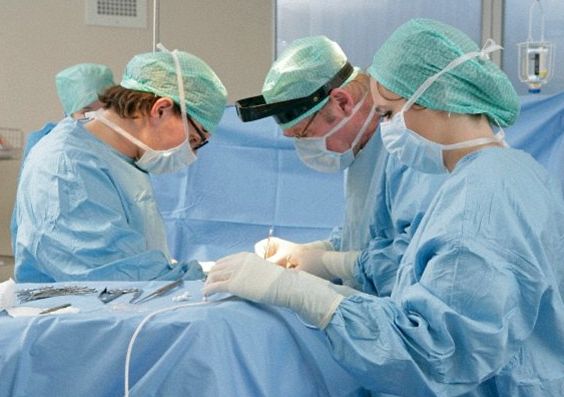
2. Considering Specialist Surgery when Necessary
When women have significant lesions, an endometrioma, deep endometriosis, bowel or bladder symptoms, or persistent symptoms despite medication, surgery may be necessary. But it must be emphasised that any surgery carries risks and con contribute to further damage with scar-tissue.
Laparoscopic surgery can remove visible endometriosis and can significantly improve pain for some people. But we have come to understand that surgery isn’t automatically the best first treatment, and it isn’t necessarily a permanent cure. Endometriosis regularly comes back after surgery and many women are having repeated surgeries.
If you are considering an operation, you need to see a gynaecologist who has specific experience treating endometriosis. That feels especially important if the disease is extensive or you have already had unsuccessful surgery.
If you have an ovarian endometrioma, there’s another important consideration: some types of ovarian surgery can affect ovarian reserve. That means the potential benefits of surgery need to be weighed carefully against its possible impact on fertility.
It is now widely recognised that the best and most effective surgery for endometriosis is excision surgery where the surgeon cuts out the endometriosis lesions removing as much as possible.
3. Combining Surgery with Hormonal Suppression
One of the most important issues to remember is that treatment doesn’t necessarily stop once you have surgery.
If you are not trying to become pregnant immediately, hormonal treatment after surgery may help control symptoms and reduce the likelihood of recurrence. In other words, the goal may be less about simply removing the disease and more about keeping it suppressed afterwards.
An approach might look something like this:
Treat significant disease → suppress hormonal stimulation → monitor symptoms → adjust treatment if things start coming back.
This option is a common medical approach and for women this often feels more realistic than thinking of surgery as a one-time “cure.”
4. Looking after Pain and Overall Wellbeing
You do not want to focus purely on the lesions or cysts of endometriosis. Especially as endometriosis can affect so many aspects of life, and managing pain is important in its own right.
Depending on what works for you, it can help to use things such as NSAIDs, heat pads, exercise and pelvic-floor physiotherapy when appropriate. Other self-help ideas include aiming for better sleep and psychological support alongside medical treatment.
Some women genuinely feel better after making changes to their diet, and I think it’s reasonable to pay attention to what makes your own symptoms better or worse. Keeping a food journal can really pay dividends as this can help you find what is triggering your symptoms.
What Remission may Mean for You
Living with endometriosis has taught us that there isn’t one perfect treatment or a single remedy that can treat this disease once and for all. Every woman is different and the stage of disease has a big influence on treatment.
With current medical interventions the best we can hope for in obtaining long-term relief is treatment that provides fewer symptoms, less disease progression and hopefully a better quality of life.
The goal is not to give up hope of remission just because endometriosis is considered chronic. It’s to work with a knowledgeable medical team and find the combination of treatments that gives you the best chance of keeping the disease under control.

Combining Treatments with Natural Options
Many women are having success using natural remedies to reduce their symptoms. This is often achieved by combining natural treatments with surgery, especially when there is significant damage caused by the disease.
Natural approaches can help some people with endometriosis symptoms, particularly pain, bloating, fatigue and overall wellbeing.
Self-help remedies that are proving successful include heat pads, targeted supplements and dietary adjustments, pelvic floor physical therapy, gentle exercise and relaxation techniques.
It is unfortunate that so many safe and natural options to help with endometriosis are not getting the research they require. This is because this type of research does not attract the funding. Whereas all medical options DO attract funding and so they will be privileged to ongoing research.
This is not to say that natural remedies have no place in the ‘medicine chest’ to help endometriosis. They certainly do . . . . but you will not find ‘evidence based’ responses for many natural options.
I mean, can you imagine the use of castor oil packs for abdominal pain and inflammation getting any research money. There is no money to be made so the research is not there.
But natural remedies do have a place as many women are finding out.
You might like these
Endometriosis Treatments
How does treatment for endometriosis work and the treatments that are offered to help with the symptoms
Endometriosis drug treatment
A look at the differences between certain hormone drug treatments for endometriosis
Treatment Costs for Endometriosis
The cost of treatment for endometriosis can have a huge impact but there may be options to help pay for your treatment


Reference:
https://www.endometriosis-uk.org/treatment-and-management
https://nezhat.org/endometriosis-treatment/can-endometriosis-be-cured/
https://www.sciencedirect.com/science/article/pii/S0015028216630972
https://www.news-medical.net/health/Endometriosis-Breakthroughs-New-Treatments-and-Research.aspx
 As featured in:

About Endo Blog Contact Disclaimer Site Map Privacy Policy
Carolyn Levett BA, NT Nutritional Therapist -
Promoting health and well-being through nutrition, diet and lifestyle changes
The material on this website is intended for educational information purposes only.
It should not substitute or delay medical advice, diagnosis or treatment.
Unauthorized use of content or parts of content is prohibited without a written permission by the author.
www.endo-resolved.com Copyright (C) - All rights reserved 2026