Welcome to Endo-resolved
Providing advice, support and a dose of hope
For women and girls who suffer from endometriosis
v v v
Let's treat the disease - not just the symptoms!
The main focus here is to offer advice and support about using safe natural remedies and simple life-style options to help you manage endometriosis more naturally.
This approach can provide support and better outcomes if surgery is needed.
‘Drug treatments and surgical options provide fast relief but may carry side effects, while natural remedies support overall well-being’. endoexcellencecenter.com
Supported by my personal experience of my own recovery from endometriosis combined with training in Naturopathy and Nutrition, my aim is focused on helping women and girls to obtain real relief in their symptoms and start to recover their health.
Backed up by scientific research the advice here reflects up to date ideas regarding treatment and management of endometriosis - with a focus on providing a more balanced and positive approach to provide sufferers with hope and motivation.
Using natural remedies and therapies does not exclude the need for surgery, especially for those who have severe endometriosis which will only be remedied by the help of surgery from an expert endometriosis surgeon
However, using natural therapies and remedies can help you reduce the impact this disease has on your life - and fortunately many women are able to start recovering their health going the natural route.
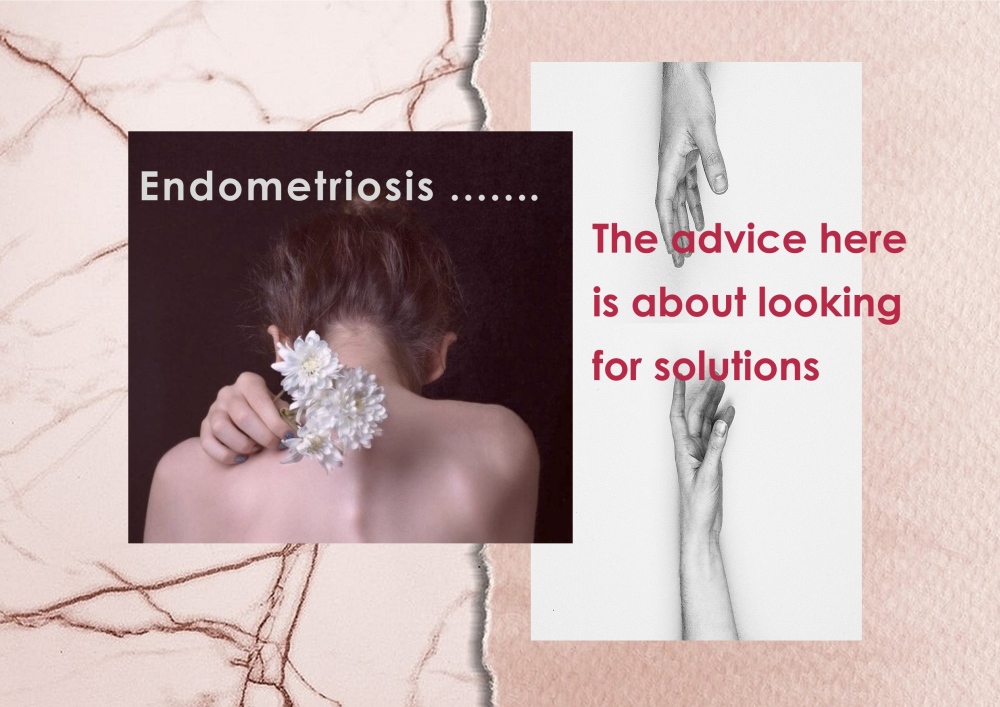
What does endometriosis mean?
Let’s not paint a pretty picture here – endometriosis is definitely NOT 'just a bad period'!
Endometriosis is a serious debilitating, whole body inflammatory disease. Which is why your entire body = physical, emotional and spiritual requires much needed support.
Those who suffer from this disease know that endometriosis can affect every aspect of a woman's life . It causes pain, fatigue, very heavy periods, weakness, depression, digestive distress and many other distressing symptoms.
All you ever read is 'there is no cure for endometriosis', or that this disease will be with you forever. That sort of negative dialogue puts you on the back foot before you even start.
You're always going to see more bad stories than good stories because people who have found a way to live symptom-free aren't going to be spending a lot of time online. They're just out in the world living life normally.
There is some hope . . . .
Surgical treatments are improving all the time, and many women are having success using natural remedies to help with their symptoms and manage this disease. The aim of the advice offered here is to help you start recovering your health and live better despite your diagnosis of endometriosis.
Just consider . . . . . if you have been battling with endometriosis for years, had many surgeries, tried different drug treatments . . . . and are still suffering, maybe it's time for you to try a more balanced approach.
Healing endometriosis naturally
Endo-resolved was one of the first resources to offer advice, support and guidance about using natural remedies and nutrition to help manage endometriosis, and it is heartwarming to learn that many have had success by going the natural route with personal stories included here at the site.
My motivation is to help other women with endometriosis to start healing their bodies so they may begin to overcome this awful disease without having to totally rely on toxic drugs and ongoing surgeries which can cause further damage -
with healing thoughts, Carolyn.
' Expert excision of Endo implants removes disease, but lack of disease does not equal good health. Diet, lifestyle, mindset and integrative therapies need to be addressed in the treatment plan to get the best possible outcomes. '
Dr. Andrew Cook MD
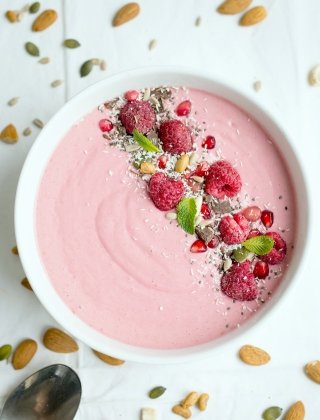





Download the 22 page PDF guide -
Shopping List & Nutrition Advice for an Endo Friendly Diet
With additional nutrition advice
No annoying sign-up needed!
If you suspect you have endometriosis .........
If you suspect you have endometriosis you need to get diagnosed as soon as possible, because the longer this disease is left unchecked, the more damage it will do. If your symptoms are not being taken seriously by your health care provider, then you need to seek a second opinion.
For some women it has taken years to get diagnosed. This usually happens because painful periods are seen as 'normal'. Your pain is real, and your periods should not be a time to be dreaded.
About the Author
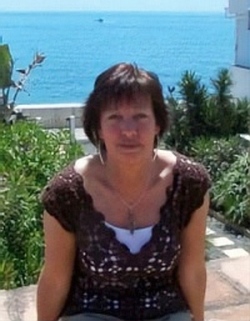
Hi, I am Carolyn Levett, the Founder here at endo-resolved - I am an Integrative Health Coach having studied nutrition, naturopathy and aromatherapy as well as being a published author of three endometriosis books. I used to suffer from severe endometriosis and was fortunate to be able to regained my health and recover from this disease with the support of nutrition, natural therapies and lots of determination.
My motivation is to help other women with endometriosis to heal their bodies so they may start to overcome this awful disease without having to totally rely on toxic drugs and surgeries which can cause further damage - with healing thoughts, Carolyn.



About Endo Blog Contact Disclaimer Site Map Privacy Policy
Carolyn Levett BA, NT Nutritional Therapist -
Promoting health and well-being through nutrition, diet and lifestyle changes
The material on this website is intended for educational information purposes only.
It should not substitute or delay medical advice, diagnosis or treatment.
Unauthorized use of content or parts of content is prohibited without a written permission by the author.
www.endo-resolved.com Copyright (C) - All rights reserved 2026