Endometriosis diet and sources of protein
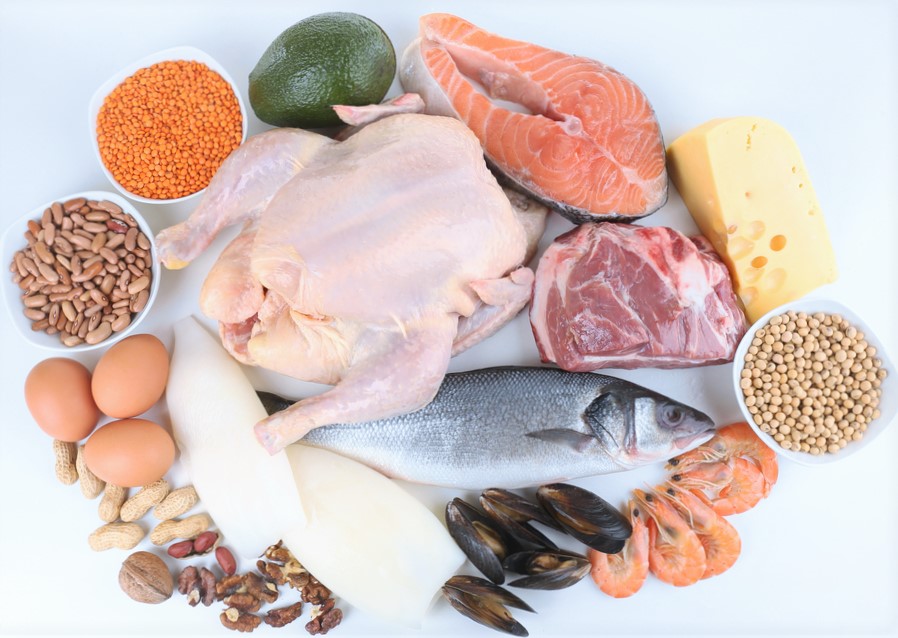
You may be concerned that you will not obtain sufficient protein in your diet when following the diet for endometriosis, as it is advised to eliminate dairy products and red meat because they can cause inflammation. Here are some basic guidelines about non animal/dairy foods that contain protein and can be easily Incorporated into your diet.
Despite what we think, only around 15 percent of our daily calorie intake should come from protein. This means for many eating around 2000 calories a day, we only need around 300 calories worth of protein.
Many of the vegetarian foods contains some protein with nuts and pules containing reasonable amounts of protein. Also, our diet requires a daily intake of amino acids to help maintain many bodily functions. Fortunately there are many options in non-animal foods that contain the same amino acids that you find in animal protein.
Here are some examples of vegetarian foods with high sources of plant protein
PROTEIN IN LEGUMES/BEANS: Legumes- also called dried beans are edible seeds that grow in pods. Beans contain a more complete set of amino acids than other plant-based food and they are high in iron, B vitamins and fibre.
Use legumes as main dish items rather than side dishes. A good way to introduce beans to the diet is to replace the meat component in your favourite dishes, like casseroles, chilli, curries, and adding beans to salad dishes. Examples are chickpeas or garbanzo beans, split peas, haricot, lentils (red, green or brown), kidney beans, lima beans etc.
PROTEIN IN GRAINS: Whole grains are an excellent source of nutrition, as they contain essential enzymes, iron, dietary fibre, vitamin E, and the B-complex vitamins. Because the body absorbs grain slowly, they provide sustained and high quality energy. Grain can be added to casseroles or used in a side dish. Examples are: brown rice, buckwheat, millet, oatmeal, quinoa, wild rice
VEGETABLE PROTEIN: GREENS: Nutritionally, greens are very high in protein, calcium, magnesium, iron, potassium, phosphorous, zinc, and vitamins A, C, E and K. They are crammed with fiber, folic acid, chlorophyll and many other micro-nutrients. Simply stir-fry or steam some broccoli, kale, bok choy, or cabbage to get a good fix on nutrients as well as proteins.
PROTEIN IN NUTS AND SEEDS: Nuts are very healthy and nutritious. In addition to being excellent sources of protein, nuts and seeds have many other benefits such as vitamins, minerals, fibre, and other chemicals that may prevent cancer and heart disease. Additionally, nuts are high in essential amino acids and healthy fats and essential fatty acids (like omega 3 and omega 6). Nuts and seeds can be added to salads as well as eaten as a snack. Examples are: almonds, cashews, pumpkin seeds, sesame seeds, sunflower seeds, walnuts (black)
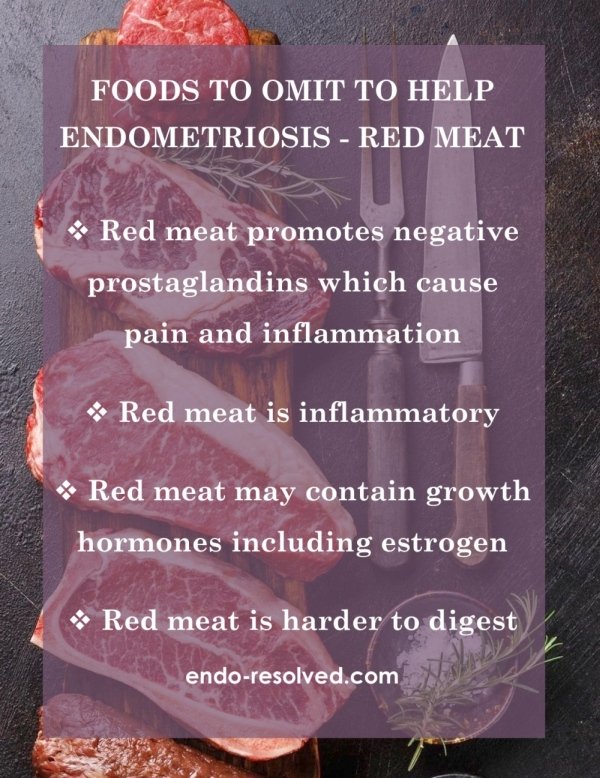
Fish and Chicken in your diet
It is fine to eat white meat such as chicken and turkey, which as we know contains plenty of protein, but it is recommended to eat organic as it will not include the damaging chemicals and hormones that are found in intensively reared livestock.
Fish is also a good source of protein and is ideal to eat to help with endometriosis, especially oily fish like salmon, mackerel, trout, sardines and herring which are high in omega 3 oils which and help to reduce pain and inflammation.
Like all things, your diet needs to be balanced and you need to rotate foods so that you are getting a good variety of nutrients available from different foods.
You might like these
Anti-inflammatory foods to help endometriosis
The diet to help endometriosis is basically an anti-inflammatory diet and adding foods that reduce inflammation can help even further to reduce the inflammation
How to adapt to a diet to help with endometriosis
It may seem overwhelming to adapt to a diet for endometriosis but with a little planning and gradual changes it is easy to change your diet
Vitamin D and endometriosis
Low levels of vitamin D have been associated with the severity of endometriosis symptoms and supplementing can help with symptoms
Probiotics may help reduce endometriosis symptoms
Research has shown that particular strains of probiotics may help reduce certain symptoms of endometriosis
Does the endometriosis diet work
The endo diet seems to work for many and there are testimonials and scientific research that confirms diet changes help symptoms of endo





About the Author
Hi, I am Carolyn Levett, the Founder here at endo-resolved - I am an Integrative Health Coach having studied nutrition, naturopathy and aromatherapy as well as being a published author of three endometriosis books. I used to suffer from severe endometriosis and was fortunate to be able to regained my health and recover from this disease with the support of nutrition, natural therapies and lots of determination.
My motivation is to help other women with endometriosis to heal their bodies so they may start to overcome this awful disease without having to totally rely on toxic drugs and surgeries which can cause further damage - with healing thoughts, Carolyn.
 As featured in:
About Endo Blog Contact Disclaimer Site Map Privacy Policy Affiliate
Carolyn Levett BA, NT Nutritional Therapist -
Promoting health and well-being through nutrition, diet and lifestyle changes
The material on this website is intended for educational information purposes only.
It should not substitute or delay medical advice, diagnosis or treatment.
Unauthorized use of content or parts of content is prohibited without a written permission by the author.
www.endo-resolved.com Copyright (C) - All rights reserved 2025